
Flowers
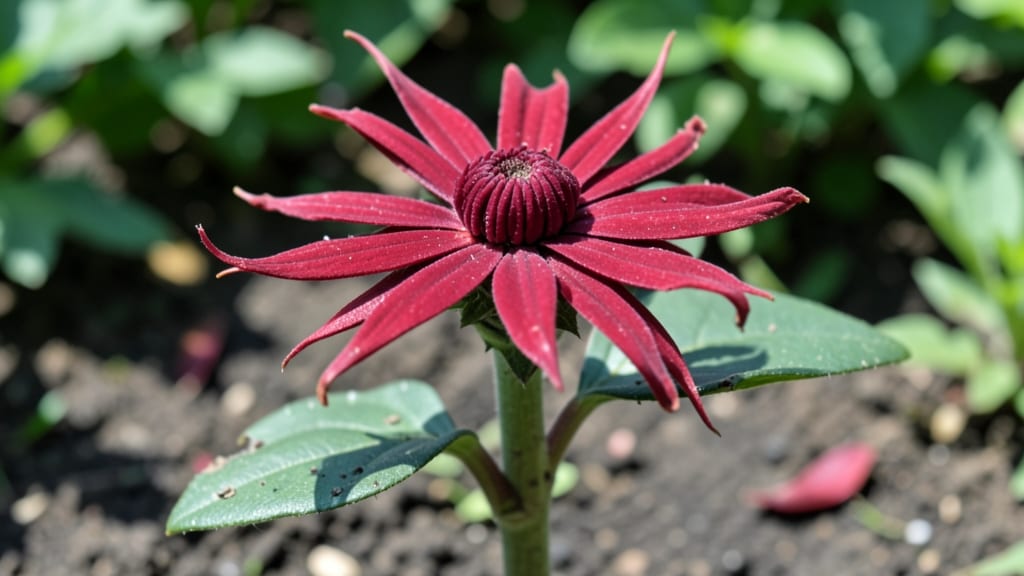
Growing spider mum flowers in the Pacific Northwest means purple blooms that defy frost—these cold-hardy chrysanthemums thrive where many perennials fail. ✨ I planted mine last October, and they’ve been blooming reliably through spring rains and fall chills, proving they’re the unsung hero of PNW gardens.
The secret lies in their love for well-draining soil and full sun, even in cooler climates. Most gardeners overlook their need for consistent moisture without soggy roots—think of them like a tough but delicate friend.
With the right balance, you’ll get those signature spidery blooms from early fall through frost, outshining annuals that fade by summer’s end.
You’ll end up with lush, vibrant plants that spread gracefully and multiply over time. The blooms attract pollinators while adding a dramatic pop of color to borders or containers. Once established, they’re nearly maintenance-free—just a little pruning after flowering keeps them tidy for next year’s show.
Perfect for beginners or seasoned gardeners looking for reliable, low-fuss perennials. These mums handle our rainy winters and hot summers better than most, making them the PNW gardener’s secret weapon. Let’s get yours thriving!
📚 In This Guide
- What you need
- Instructions
- Tips and common mistakes
- Wrapping up and next steps
What you need
- ● Spider Mum Plants: 1-3 Chrysanthemum 'Spider Mum' plants (bare-root or potted, depending on availability). Pro tip: 💡 Choose cold-hardy varieties suited for USDA Zones 5-9!
- ● Growing Location: Full sun to partial shade (at least 6 hours of sunlight daily).
- ● Well-draining soil (amend with compost if your soil is heavy or clay-like).
- ○ Soil Amendments (Optional but Recommended): 2-3 cups of organic compost or aged manure per planting hole.
- ● 1 tbsp of balanced fertilizer (10-10-10) or slow-release granules.
- ● Tools: Garden trowel or shovel.
- ● Garden gloves (to protect your hands from thorns and soil).
- ● Watering can or hose with a gentle spray nozzle.
- ● Mulch (straw, pine needles, or shredded bark to retain moisture).
- ● Planting Time: Early spring (March-April) or early fall (September-October) for best results.
- ● Hardiness: Tolerates light frosts but avoid planting during extreme heat (above 85°F/29°C).
- ● Watering: Keep soil consistently moist (not soggy) during the first 2-3 weeks after planting.
- ● Plant stakes or cages (to support tall blooms, especially in windy areas).
- ● Epsom salt (1 tbsp dissolved in water monthly for extra magnesium).
- ● Pruning shears (for shaping and encouraging bushier growth).
- ● Drip irrigation system (for automated watering in dry spells).
Step-by-step instructions for growing spider mum flowers in the Pacific Northwest
Here’s how to cultivate these cold-hardy beauties—where timing and soil prep make all the difference.
🌱 Step 1: Choose the Right Location and Prepare Soil
Spider mums thrive in full sun to partial shade, but in the Pacific Northwest’s cooler climate, 6 hours of morning sun followed by afternoon shade prevents leaf scorch. I always test my spot by observing how quickly water evaporates—if it’s gone in under an hour, it’s too hot and dry. Amend your soil with 3-4 inches of compost to improve drainage, since spider mums despise soggy roots. The goal is loose, well-draining soil with a slightly acidic pH (around 6.0-6.5).
Dig a hole twice as wide as the root ball but only as deep—planting too deep suffocates the crown. If your native soil is heavy clay, mix in 1 part perlite to every 3 parts soil to prevent compaction. Spider mums reward good prep with bold purple blooms that last well into fall, so don’t skimp on this step.
💧 Step 2: Plant at the Correct Time and Water Deeply
In the Pacific Northwest, plant spider mums in early spring (March-April) or early fall (September-October) to avoid summer heat stress. You’ll know it’s time when soil temperatures hit 50°F or warmer—stick a thermometer in the ground to check. Space plants 12-18 inches apart for airflow, which prevents fungal diseases like powdery mildew. Water deeply immediately after planting, soaking the root zone until water runs out the bottom of the hole.
After the first week, water once a week unless it rains, focusing on the base rather than overhead. Spider mums store moisture in their leaves, so wilting is normal in heat—don’t panic. Mulch with 2 inches of shredded bark to retain moisture and regulate soil temperature. This keeps roots cool in summer and insulated in winter, which is key for their cold-hardiness.
☀️ Step 3: Fertilize and Prune for Long-Lasting Blooms
Feed spider mums with a balanced, slow-release fertilizer (10-10-10) at planting, then again in early summer. I use ½ teaspoon per plant to avoid burning roots. These flowers are heavy feeders, so supplement with fish emulsion every 4-6 weeks during the growing season for vibrant purple blooms. Stop fertilizing in late summer to encourage dormancy before winter.
Deadhead spent blooms by snipping stems ½ inch above the next leaf node to redirect energy into new flowers. In late fall, cut back ⅓ of the plant to shape it and remove any diseased foliage. This pruning trick keeps spider mums compact and tidy, while also preventing pests from overwintering in dead growth. With proper care, they’ll reward you with another flush of blooms the following spring.
⏰ Step 4: Protect in Winter and Prepare for Next Season
Spider mums are USDA Zone 5-9 hardy, but Pacific Northwest winters can push them to their limits. Once temperatures drop below 20°F, mound 3-4 inches of mulch around the base to insulate roots. In particularly cold winters, add a lightweight frost blanket over the plant and secure it with stakes—this prevents desiccation without trapping excess moisture.
In early spring, remove winter protection and prune back any dead growth. You’ll notice new shoots emerging from the center—this is your cue to resume regular watering and fertilizing. Spider mums are perennials, so they’ll multiply over time. Divide clumps every 3-4 years in early spring by digging up the plant, separating the crowns, and replanting. This rejuvenates growth and ensures vibrant blooms for years to come.
Tips & tricks for growing Pacific Northwest spider mums
These insider secrets will help your spider mums thrive in our unique climate—where proper prep and timing make all the difference.
Soil Test First: Before amending soil, grab a small shovel and do a quick moisture test in your garden spot. Dig a 6-inch hole and fill it with water—if it drains completely within 10 minutes, your site is perfect for spider mums. If water pools, you'll need to add more perlite (up to 2 parts perlite to 1 part soil) to create that essential air space around roots. The right soil texture is like a well-drained sponge—it holds moisture but never stays soggy.
Timing Secret for Planting: That 50°F soil temperature threshold in Step 2 is your golden cue—but don't rely solely on dates. In coastal PNW areas, March might still be too chilly, while inland spots could be ready by February. I always press my finger into the soil: if it feels cool but not freezing, it's planting time. For fall planting, aim for when daytime highs reach 70°F but nights dip below 50°F—this mimics their natural dormancy cycle.
Fertilizer Precision: When applying that ½ teaspoon of 10-10-10 fertilizer, use a clean coffee scoop rather than your fingers to avoid contamination. Spread it evenly around the base, then water thoroughly to activate it. For fish emulsion applications, dilute it to half-strength (1 part emulsion to 2 parts water) to prevent root burn. The key is consistency—apply every 4-6 weeks during the growing season, but never after late summer when the plant prepares for dormancy.
Winter Protection Hack: For that critical 20°F threshold, I've found that straw bales make excellent mulch alternatives to shredded bark. They insulate better in wet winters and break down to enrich the soil in spring. If using frost blankets, prop them up slightly with small stakes to allow airflow—stagnant air can create frost pockets that damage tender new growth in spring.
Pro Tips for Spider Mum Flower
- These insider secrets will help your spider mums thrive in our unique climate—where proper prep and timing make all the difference.
- Soil Test First: Before amending soil, grab a small shovel and do a quick moisture test in your garden spot.
- Timing Secret for Planting: That 50°F soil temperature threshold in Step 2 is your golden cue—but don't rely solely on dates.
Frequently asked questions
Got questions about growing Spider Mum flowers? You’re not alone! Here are answers to the most common queries from gardeners in the Pacific Northwest and beyond.
What’s the best time to plant Spider Mum flowers in my region?
Plant them in early spring (March–April) or late summer (August–September) for best results. Since they’re cold-hardy, they’ll thrive in the PNW’s cooler climate. Avoid planting too early—soil should be workable (not frozen or waterlogged).
How often should I water Spider Mum flowers?
Water moderately—keep soil evenly moist but not soggy. In the PNW’s rainy season, reduce watering to prevent root rot. After planting, water deeply 1–2 times per week, then taper off as flowers mature. Mulch helps retain moisture!
Can I grow Spider Mum flowers in containers?
Use large pots (12+ inches deep) with drainage holes and well-draining soil. Place containers in full sun to partial shade. Just ensure they get enough water and nutrients—container plants dry out faster than ground-planted ones.
Will Spider Mum flowers survive PNW winters?
Yes! These cold-hardy beauties tolerate USDA Zones 5–9. In harsh winters, add a light mulch layer (2–3 inches) to protect roots. They’ll often regrow the following spring, though some gardeners treat them as annuals for bigger blooms.
Why aren’t my Spider Mum flowers blooming?
Common culprits: too much shade, over-fertilizing, or poor drainage. Ensure they get 6+ hours of sunlight, use a balanced fertilizer (like 10-10-10), and avoid soggy soil. Deadhead spent blooms to encourage more flowers!
Wrapping up and next steps
The Spider Mum flower isn’t just a stunning addition to your Pacific Northwest garden—it’s a resilient, low-maintenance powerhouse that thrives in cold climates while dazzling with its deep purple hues. Whether you’re a seasoned gardener or a curious beginner, these cold-hardy blooms reward patience with vibrant displays year after year.
Ready to transform your outdoor space? Start by gathering your supplies, choose the perfect spot, and plant with confidence!
Next step: 🌱 Mark your calendar for early spring or fall planting—your Spider Mum’s future masterpiece awaits!