
Flowers
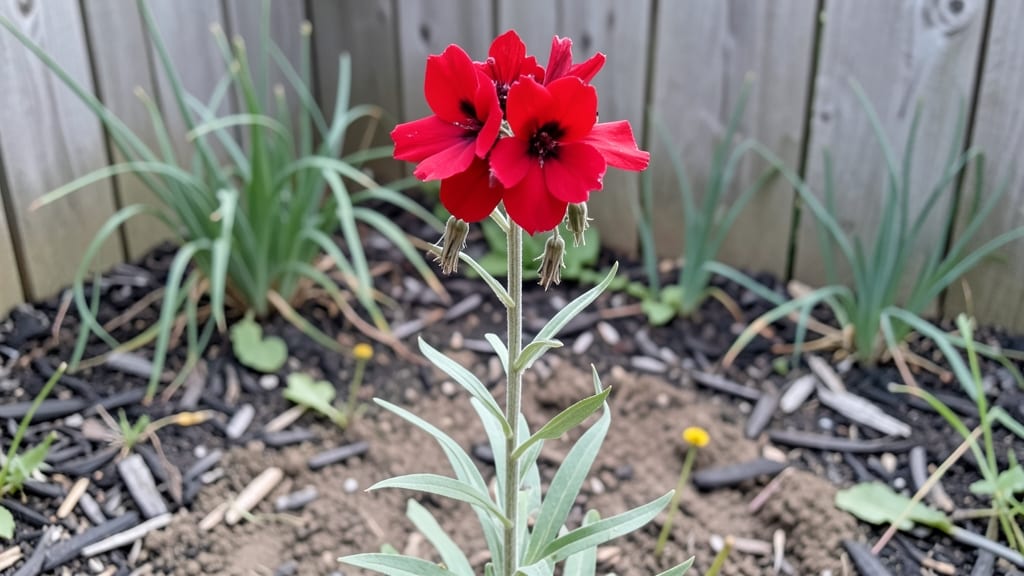
Growing scarlet flax flowers (Linum spp.) in your Pacific Northwest garden means bright red blooms in just six weeks—and they thrive on neglect once established. 🌸 The first time I planted these drought-tolerant beauties, I nearly forgot about them after the initial watering, only to find lush stems covered in delicate blossoms by early summer.
These hardy perennials (or annuals if grown from seed) love full sun and well-draining soil, making them perfect for rocky slopes, rain gardens, or even container edges. My secret?
A light mix of compost at planting time—no heavy amendments needed. They handle our region’s wet winters and dry summers with ease, popping up year after year with minimal fuss.
By midsummer, you’ll have vibrant red spikes that hummingbirds adore, plus airy foliage that adds texture to borders or meadow-style plantings. Deadhead spent blooms to encourage more flowers, and watch them self-seed for effortless renewal. The best part? They’re deer-resistant and rarely bothered by pests—just let them grow.
Whether you’re filling a sunny patch or restoring a wildflower meadow, scarlet flax delivers low-maintenance color that brightens even the driest spots. Let’s get those seeds in the ground—your garden’s going to glow.
📚 In This Guide
- What you need
- Instructions
- Tips and common mistakes
- Wrapping up and next steps
What you need
- ● Scarlet flax seeds: 1 packet (50–100 seeds, organic preferred for best results).
- ● Well-draining soil: Mix of 50% garden soil + 50% perlite or coarse sand (pH 6.0–7.0).
- ● Sunlight access: Full sun (6+ hours daily) or partial shade (if in hotter microclimates).
- ● Watering can or hose: With a gentle spray nozzle (avoid oversaturating).
- ○ Plant markers: Biodegradable labels (optional but helpful for tracking progress!).
- ● Gloves: Lightweight gardening gloves (to protect hands from soil and thorns).
- ● Trowel or small shovel: For planting seeds ¼ inch deep.
- ○ Drip irrigation or soaker hose: (Optional but recommended) for consistent moisture in dry PNW summers.
- ● Pruning shears: For deadheading spent blooms (encourages more flowers!).
- ● Patience: Scarlet flax thrives in drought conditions—overwatering is the #1 enemy!
Step-by-Step instructions for cultivating scarlet flax flowers
Here’s how to coax these vibrant blooms from seed to full color in just six weeks—perfect for the Pacific Northwest’s dry climate.
🌱 Step 1: Prepare the Planting Site or Containers
Scarlet flax thrives in well-draining soil with full sun exposure—at least 6 hours daily. In the Pacific Northwest, where moisture lingers, amend heavy soil with 1 part sand or perlite per 3 parts native soil to prevent root rot. If planting in containers, choose pots with drainage holes and fill them with a mix of 50% potting soil and 50% coarse sand.
Scatter seeds ¼ inch deep and space them 12-18 inches apart—they dislike crowding. I like to plant them in clusters of 4 to create a bold visual impact, but give each seedling room to mature. Water gently after planting, but avoid soaking the soil. Scarlet flax seeds need moisture to germinate, but they’ll rot if left soggy.
☀️ Step 2: Provide Consistent Sun and Minimal Water
Once seedlings emerge—typically within 7-14 days—they’ll need full sun daily. In cloudy Pacific Northwest summers, supplement with a grow light for 4-6 hours if natural light falls short. You’ll know they’re getting enough light when leaves stay deep green and stems stay sturdy, not stretching toward the sun.
Water only when the top 1-2 inches of soil feel dry. Scarlet flax is drought-tolerant, but young plants need steady moisture to establish roots. I use a drip irrigation system set to 10 minutes every 3 days during the first month, then taper off to once a week once blooms appear. Overwatering is the fastest way to kill these hardy plants.
🌿 Step 3: Encourage Blooms and Maintain Health
When plants reach 6-8 inches tall, you’ll notice buds forming at the stem tips. This is the moment to reduce watering slightly—drought stress triggers brighter blooms. Deadhead spent flowers by pinching them off just above the next set of leaves to encourage continuous blooming. I do this every 2-3 days during peak season, and the plants reward me with nonstop color.
Fertilize lightly with a balanced 10-10-10 formula diluted to half-strength once a month. Scarlet flax doesn’t need rich soil, and too much nitrogen will produce lush foliage at the expense of flowers. Watch for aphids on new growth—spray with soapy water if you see clusters of tiny green bugs. A quick rinse with a hose usually clears them up without harming the plants.
⏰ Step 4: Harvest and Preserve Blooms
Pick flowers in the morning when dew has dried but heat hasn’t yet stressed the petals. Cut stems at a 45-degree angle just above a leaf node to encourage branching. Arrange them in a vase with 1 inch of stem submerged in water, and they’ll last 5-7 days. For drying, hang small bundles upside down in a dark, well-ventilated space for 10-14 days.
Save seeds by leaving a few spent blooms on the plant. They’ll form seed pods that turn brown and papery. Once dry, rub the pods between your fingers to release the tiny, glossy seeds. Store them in a cool, dry place for up to 2 years. I label each packet with the harvest year—next season’s garden starts with just a pinch of these vibrant seeds.
Tips & tricks for perfect scarlet flax blooms
Here's what I've learned after growing these stunning flowers for years in the Pacific Northwest—little details that make all the difference between modest growth and showstopping blooms.
Soil Mix Matters: The 50-50 potting soil and coarse sand mix in Step 1 is non-negotiable for containers. I've tried regular potting soil alone, and while it works, the plants always seem to struggle with moisture retention. For in-ground planting, that 1:3 sand/perlite amendment is especially important in our rainy climate—it prevents the classic "soggy soil syndrome" that causes root rot.
Lighting Secret: Those 4-6 hours of supplemental grow light in Step 2 during cloudy periods can be a game-changer. I use LED grow lights because they're energy-efficient and don't generate much heat. Place them about 6 inches above the seedlings—closer if you notice the plants stretching toward the light (a sign they're light-deprived).
Watering Wisdom: The 10-minute every-3-days schedule in Step 2 might seem light, but trust me on this—scarlet flax is far more drought-resistant than most gardeners realize. I've seen plants recover beautifully after accidental overwatering, but the reverse is nearly impossible. Use your finger to check that top 1-2 inches before watering; if it's still damp, wait another day.
Harvest Timing: Morning is absolutely the best time to pick those scarlet blooms in Step 4. The petals are fully hydrated after dew evaporation but haven't yet faced midday heat stress. I've noticed that flowers picked in the afternoon often wilt within 24 hours, while morning-picked blooms last their full 5-7 days. Pro tip: Give your vase a fresh water change every other day to keep stems hydrated.
Pro Tips for Scarlet Flax Flower
- Here's what I've learned after growing these stunning flowers for years in the Pacific Northwest—little details that make all the difference between modest growth and showstopping blooms.
- Soil Mix Matters: The 50-50 potting soil and coarse sand mix in Step 1 is non-negotiable for containers.
- Lighting Secret: Those 4-6 hours of supplemental grow light in Step 2 during cloudy periods can be a game-changer.
Frequently asked questions
Got questions about growing scarlet flax flowers? You’re not alone! This drought-tolerant beauty thrives in the Pacific Northwest, but like any plant, it has quirks. Below, we’ve answered the most common questions to help you grow stunning blooms in just six weeks—without the fuss.
When is the best time to plant scarlet flax flowers?
The ideal window is late winter to early spring (February–March) for spring blooms, or late summer (August) for fall color. These hardy annuals tolerate light frosts but need consistent moisture to germinate. If planting in hotter months, opt for seedlings to avoid stress.
How often should I water scarlet flax flowers?
Water deeply but infrequently—about once a week (or when the top inch of soil is dry). Once established, scarlet flax is drought-tolerant, but young plants need steady moisture. Overwatering can lead to root rot, so prioritize well-draining soil.
Can I grow scarlet flax flowers in containers?
Use a 5–7 inch deep pot with drainage holes and a lightweight, sandy soil mix. Place containers in full sun and water consistently until roots fill the pot. Just avoid overcrowding—space plants 6–12 inches apart for airflow and blooms.
What pests or diseases should I watch for?
Scarlet flax is generally pest-resistant, but keep an eye out for aphids (spray with soapy water) or powdery mildew in humid conditions. Improve airflow by thinning plants and avoid overhead watering. If leaves yellow, check for overwatering or nutrient deficiencies—add a balanced fertilizer if needed.
How do I extend the blooming season?
Deadhead spent flowers to encourage continuous blooms for 4–6 weeks. For longer color, succeeding plantings every 2–3 weeks (spring through summer) create a staggered display. Choose a sunny, sheltered spot to protect blooms from harsh winds.
Wrapping up and next steps
The scarlet flax flower isn’t just a stunning addition to your Pacific Northwest garden—it’s a low-maintenance, drought-resistant superstar that blooms in just six weeks! With the right soil, sunlight, and care, you’ll enjoy vibrant red blooms that attract pollinators and thrive even in dry conditions. 🌸
Ready to transform your garden? Grab your seeds, follow the steps, and watch your space come alive with color. Start planting today—your future blooms will thank you! 🌱