
Flowers
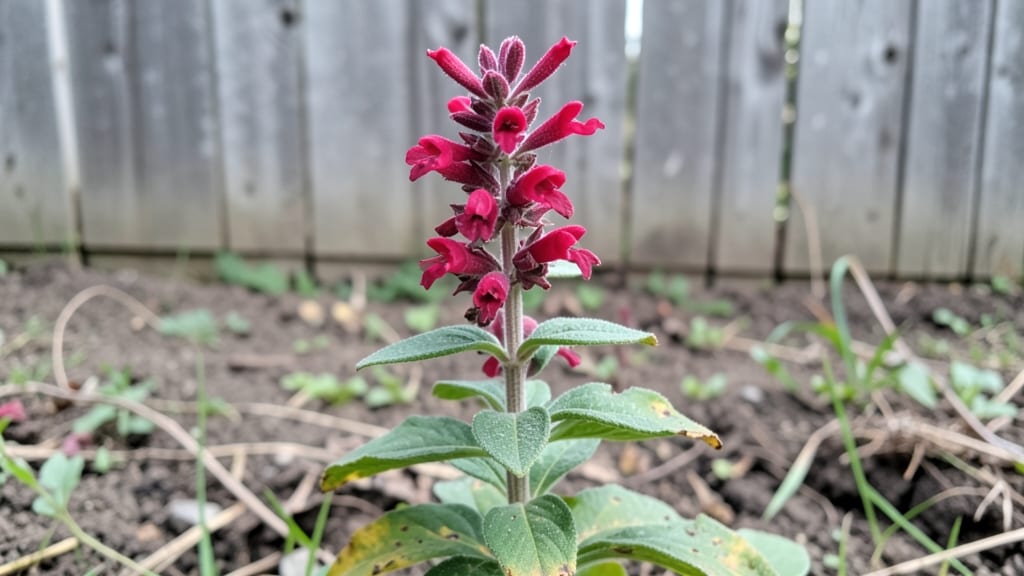
Nothing beats the sight of red spiky flowers swaying in a Pacific Northwest breeze, their bold crimson spikes drawing hummingbirds like a neon sign. 🌿 I first fell for them when a single salvia 'Hot Lips' plant turned my neighbor’s corner into a hummingbird highway—within weeks, it was a feeding frenzy every afternoon.
These plants thrive in our climate, handling everything from coastal fog to inland heat waves. Pair kniphofia (red hot pokers) with deep purple delphiniums for a dramatic border, or tuck agave into containers for a desert-meets-rainforest look. They’re low-maintenance once established, just needing occasional deadheading to keep the spikes coming.
Imagine your garden in late summer: towering red plumes nodding in the breeze, hummingbirds darting between them, and the air humming with life. These plants don’t just survive—they command attention, turning ordinary spaces into vibrant, buzzing ecosystems. Ready to create your own hummingbird magnet?
Whether you’re designing a bold focal point or softening a shady corner, these red spikes adapt beautifully. Mix them with silver foliage for contrast, or let them stand alone as a striking statement. The possibilities are endless—and your garden’s pollinator visitors will thank you.
📚 In This Guide
- What you need
- Instructions
- Tips and common mistakes
- Wrapping up and next steps
What you need
- ● Red spiky flowers: 1–3 Penstemon plants (e.g., Penstemon spectabilis or Penstemon serrulatus)
- ● 1–2 Salvia varieties (e.g., Salvia coccinea or Salvia 'Hot Lips')
- ● 1 Red columbine (Aquilegia formosa) plant
- ● 1–2 Indian paintbrush (Castilleja spp.) plants (native to PNW)
- ● Soil: 1–2 bags of well-draining potting mix or native PNW soil (amended with compost)
- ● Fertilizer: 1 bag of slow-release, organic fertilizer (e.g., 10-10-10 or fish emulsion)
- ● Watering can or hose: With a gentle spray nozzle for delicate flowers
- ● Garden tools: 1 trowel
- ● 1 pair of pruning shears
- ● 1 small shovel (for transplanting)
- ○ Optional but helpful: 1–2 hummingbird feeders (for supplementing nectar)
- ● Mulch (e.g., cedar chips or gravel to retain moisture)
- ● Stakes or peony rings (to support taller flowers like Salvia)
- ● ✅ Sunlight: A south- or west-facing spot with 6+ hours of sun daily (PNW’s partial shade is okay for some species).
- ● ✅ Climate readiness: Plant in early spring (March–April) or fall (September–October) to avoid frost.
- ● ✅ Space: Ensure 12–18 inches of spacing between plants for airflow (hummingbirds love easy access!).
How to cultivate hummingbird-favorite red spiky flowers in the PNW
Here’s my battle-tested approach for growing bold, hummingbird-magnet blooms that thrive in our damp, mild climate.
🌱 Step 1: Select the Right Red Spiky Varieties for Your Zone
Choose native or PNW-adapted species like red columbine (Aquilegia formosa), scarlet gilia (Ipomopsis aggregata), or fireweed (Chamerion angustifolium)—all of which produce striking red spikes and attract hummingbirds relentlessly. Avoid tropical varieties; they’ll sulk in our cool summers. I always check the USDA Hardiness Zone map to confirm my selections match Zones 6-9—the PNW’s typical range.
For containers, salvia ‘Scarlet Pimpernel’ or fuchsia ‘Giant Empress Diana’ deliver dramatic red spikes and thrive in 6-inch pots with excellent drainage. If planting in beds, space them 18-24 inches apart to allow air circulation—crowded plants invite fungal diseases in our damp climate.
☀️ Step 2: Plant in Full Sun with Moist, Well-Drained Soil
These flowers demand 6+ hours of direct sun daily—a non-negotiable for vibrant blooms. In the PNW, that means south- or west-facing spots where afternoon light isn’t blocked by evergreens. Amend heavy native soil with 20% perlite or coarse sand to prevent waterlogging; our region’s clay soils suffocate roots.
Dig a hole twice as wide as the root ball but only as deep as the container’s base. Gently loosen roots if they’re circling—this encourages outward growth. Water deeply before backfilling to eliminate air pockets. Mulch with 2-3 inches of shredded bark to retain moisture and suppress weeds, but keep mulch 6 inches away from stems to prevent rot.
💧 Step 3: Water Deeply but Infrequently to Encourage Strong Roots
Deep watering 2-3 times per week (more in summer heat waves) trains roots to seek moisture below the surface. Stick your finger 2 inches into the soil—if it feels dry, water until moisture reaches 6 inches deep. Overwatering in our cloudy seasons is the fastest way to invite root rot, especially in containers.
For established plants, let the top 1-2 inches of soil dry between waterings. You’ll notice healthy foliage stays deep green and slightly waxy, while underwatered leaves curl at the edges. Fertilize lightly with a balanced 10-10-10 formula every 4-6 weeks during bloom season, but cut back in fall to let plants harden off for winter.
✂️ Step 4: Prune Strategically to Prolong Blooming and Shape Growth
Deadhead spent blooms weekly to redirect energy into new flowers. For columbine and fireweed, snip stems back to the first set of healthy leaves—never cut into bare wood. I always use sterilized pruners to prevent spreading powdery mildew, which thrives in our humid summers.
In early spring, prune one-third of the oldest stems to encourage fresh growth. For container-grown varieties like salvia, trim leggy stems back by half their length to promote bushier, more compact plants. Avoid heavy pruning after mid-summer; new growth won’t harden off before frost.
🐦 Step 5: Create a Hummingbird Oasis with Companion Plantings
Pair red spikes with native PNW companions like blue flax (Linum lewisii) or orange honeysuckle (Lonicera ciliosa) to extend the nectar buffet. Hummingbirds favor color contrasts—plant in clusters of 3-5 plants to create visual feeding stations. I’ve noticed they return daily to patches where red and purple dominate.
Avoid pesticides entirely—even organic sprays can harm hummingbirds. Instead, handpick aphids or spray with soapy water (1 tsp mild soap per gallon). Place a shallow water dish with pebbles for perching near your plants. You’ll see them bathe and refuel within days of installation.
Tips & tricks for perfect red spiky flowers
These battle-tested insights will help you transform your garden into a hummingbird haven—without the common pitfalls that frustrate even experienced gardeners.
Selection Tip: When choosing between container and in-ground planting, remember that salvia ‘Scarlet Pimpernel’ and fuchsia ‘Giant Empress Diana’ thrive in 6-inch pots but need excellent drainage—use containers with drainage holes and elevate them on feet to prevent water pooling. For in-ground planting, the 18-24 inch spacing isn't just about aesthetics; it's crucial for preventing fungal diseases in our damp climate. I've lost entire patches of columbine to powdery mildew when plants were too crowded.
Soil Strategy: The 20% perlite or coarse sand amendment isn't just about drainage—it creates the perfect air-to-moisture ratio that PNW native roots crave. For containers, I like to mix in 10% compost to give plants a gentle nutrient boost without overwhelming them. When planting, that twice-as-wide hole might seem excessive, but it prevents root circling—a common issue with container-grown plants that leads to stunted growth.
Watering Wisdom: The 2-3 times per week guideline works for our typical PNW summers, but during heat waves, you'll need to adjust. I check moisture by sticking my finger 2 inches deep—if it's dry, I water until moisture reaches 6 inches down. For containers, I've found that watering in the morning gives roots time to absorb moisture before evening humidity sets in. The 1-2 inch dry topsoil rule helps prevent both overwatering and underwatering—just watch for those telltale curled leaves.
Pruning Precision: That weekly deadheading might seem tedious, but it's the secret to prolonged blooming. For columbine and fireweed, always cut back to the first set of healthy leaves—never into bare wood. I sterilize my pruners between cuts with rubbing alcohol to prevent spreading powdery mildew, which is particularly aggressive in our humid summers. The one-third spring pruning might seem drastic, but it stimulates fresh growth that's better equipped to handle our mild winters.
Pro Tips for Red Spiky Flowers
- These battle-tested insights will help you transform your garden into a hummingbird haven—without the common pitfalls that frustrate even experienced gardeners.
- For in-ground planting, the 18-24 inch spacing isn't just about aesthetics; it's crucial for preventing fungal diseases in our damp climate.
- Soil Strategy: The 20% perlite or coarse sand amendment isn't just about drainage—it creates the perfect air-to-moisture ratio that PNW native roots crave.
Frequently asked questions
Got questions about those vibrant red spiky flowers buzzing with hummingbirds? You’re not alone! Here are some of the most common queries—plus quick answers to help you navigate the wild beauty of the Pacific Northwest’s favorite pollinator magnets.
What are those red spiky flowers I keep seeing in the PNW?
Most likely, you’re spotting Salal (Gaultheria shallon) or Red Flowering Currant (Ribes sanguineum)—both PNW natives with striking red blooms that hummingbirds adore. Salal has dense, evergreen foliage, while currant features arching stems with clusters of tubular flowers. Pro tip: Look for them in shaded forests or garden beds!
When is the best time to see red spiky flowers in bloom?
Timing varies by species! Red Flowering Currant typically blooms in early to mid-spring (March–May), while Salal flowers later, from May to July. Coastal areas may see blooms 2–4 weeks earlier than inland regions. Check local weather—milder winters can push blooms ahead!
Why do hummingbirds love these flowers so much?
Hummingbirds are nectar vampires—they’re drawn to tubular, red flowers with high sugar content, like those of currant and salal. The spikes also provide perches for them to rest between feedings. Fun fact: A single hummingbird can visit 1,000–2,000 flowers a day!
Can I grow red spiky flowers in my garden? How?
Red Flowering Currant is the easiest to cultivate—plant in partial shade, well-draining soil, and water regularly. Salal is slower-growing but thrives in acidic, wooded areas. Troubleshooting: Avoid overwatering (root rot risk) and prune lightly after blooming to encourage new growth.
What if my red spiky flowers aren’t blooming?
Common culprits: too much sun (currant prefers shade), poor soil drainage, or over-fertilizing (native plants often need minimal nutrients). Try moving potted plants to a shadier spot or amending soil with peat moss. Patience pays off: Salal can take 3–5 years to bloom!
Wrapping up and next steps
From the vibrant red spiky flowers of the Pacific Northwest to the buzzing hummingbirds they attract, nature’s beauty is truly a sight to behold! 🌸 These striking blooms aren’t just eye-catching—they’re a lifeline for pollinators and a joy for gardeners.
Whether you’re a seasoned plant enthusiast or just starting your gardening journey, adding these flowers to your space is a rewarding way to support local ecosystems.
Ready to dive in? Start small—plant a single cluster in your garden or balcony and watch the magic unfold. Every little effort makes a difference, and soon, you’ll be part of the PNW’s hummingbird-fueled spectacle! 🐦⬛✨