
Flowers
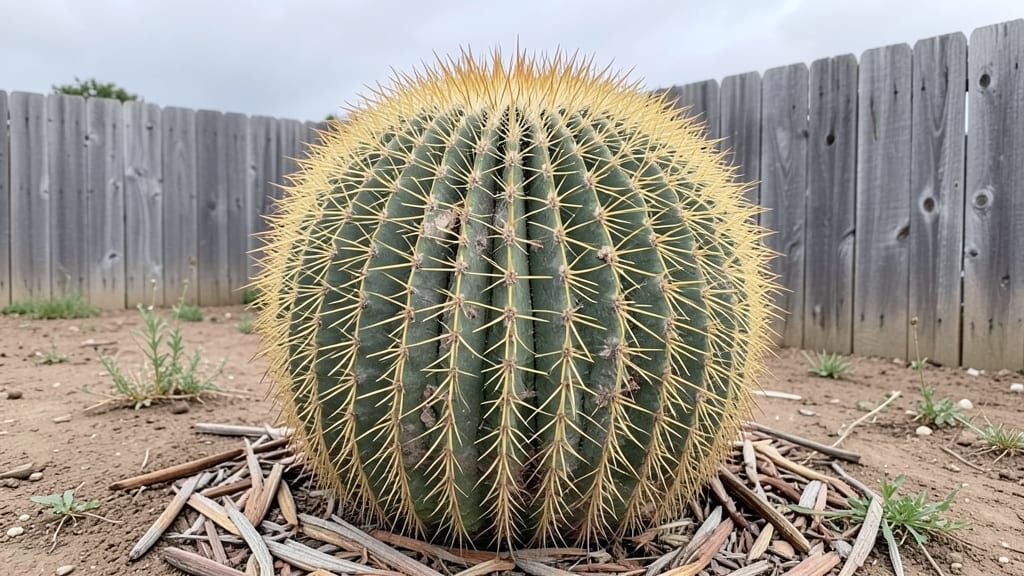
There's nothing quite like watching a round cactus with flower burst into vibrant color against its spiky silhouette—it's the desert's most dramatic showstopper. 🌵 I've spent years growing Mammillaria and Echinopsis varieties, and the key to their blooming success starts with proper pruning.
The right cuts encourage stronger growth and more flowers, while wrong cuts can leave your cactus looking ragged and flowerless for years.
Most people skip pruning entirely, but it's actually the secret to keeping these cacti healthy and productive. You'll need basic tools—a clean, sharp knife or pruning shears—and a little patience.
The process takes just 10-15 minutes once you know what to look for, and the results are worth it: thicker stems, more buds, and blooms that last weeks instead of days.
What you end up with is a cactus that looks like it belongs in a botanical garden, not just your windowsill. The flowers themselves are a reward—some varieties produce pink, white, or even magenta blooms that contrast stunningly against the green pads.
Pruning at the right time (early spring) sets the stage for summer blooming, and the process gets easier with practice.
Works for both beginner and experienced growers—just adjust how aggressive you are with the cuts. The same principles apply whether you're growing a 3-inch Mammillaria or a 2-foot-tall Echinopsis. Let's get those blooms started!
📚 In This Guide
- What you need
- Instructions
- Tips and common mistakes
- Wrapping up and next steps
What you need
- ● Round cactus (Echinocactus grusonii or similar) – Ensure it’s healthy, with visible signs of blooming potential (like flower buds).
- ● Pruning shears or sharp bypass pruners – Must be sterilized to prevent disease (1 pair).
- ● Rubbing alcohol (70% or higher) or hydrogen peroxide (3%) – For sterilizing tools (small bottle).
- ● Garden gloves – Thick, cactus-safe to protect hands from spines (1 pair).
- ○ Small container or tray – For collecting cuttings (optional but helpful).
- ● Well-draining cactus soil mix – 3 parts potting soil, 2 parts perlite/sand (1 bag or pre-mixed).
- ● Watering can with a narrow spout – To avoid overwatering delicate cuttings.
- ● Rooting hormone – Speeds up propagation for cuttings (small tube).
- ● Small pots (3–4 inches) – For propagating new cactus pups (2–3 pots).
- ● Calcium sulfate (gypsum) – Helps prevent rot if soil drains poorly (small bag).
- ● Sunhat or wide-brimmed hat – If pruning outdoors in direct sun! ☀️
Pruning techniques for your round flowering cactus
Here's how to keep your round cactus with flower thriving year-round—pruning isn't just about aesthetics, it's about encouraging healthy growth and those stunning blooms.
✂️ Step 1: Identify the Right Time to Prune
Prune your cactus after flowering season—typically late spring or early summer—when new growth signals the plant has recovered its energy. This timing prevents stress during dormancy and ensures the plant can focus on blooming next year. I always wait until at least 2 weeks after flowering has fully faded, as this gives the plant time to redirect nutrients from the flowers back into its structure.
Look for dry, dead pads or any segments that appear shriveled or discolored—these are prime candidates for removal. Healthy pads should feel firm and plump, while dead ones will crumble slightly when touched. Avoid pruning during extreme heat or cold, as temperature stress combined with pruning can shock the plant.
🌱 Step 2: Prepare Your Tools and Workspace
Use only sterilized pruning shears or a sharp knife—cactus spines make dull tools dangerous, and bacteria from unsterilized blades can infect your plant. I wipe my tools with rubbing alcohol before and after each use to prevent cross-contamination. Work in a well-ventilated area, preferably outdoors, to avoid inhaling any fine spines that may become airborne during pruning.
Lay down a thick layer of newspaper or a cactus mat to protect your workspace. Wear heavy-duty gloves and long sleeves to shield yourself from spines—even small ones can draw blood. If you're working with a particularly spiny variety, consider using a pair of long-handled tongs to hold the cactus steady while you prune.
✂️ Step 3: Remove Dead or Damaged Pads
Cut just above the joint where the pad meets the main body of the cactus, using a swift, clean motion. Angle your cut slightly downward to prevent water from pooling on the wound, which could lead to rot. If a pad is particularly large, you may need to make two cuts—first to separate it partially, then a final cut to remove it entirely.
Discard the removed pads immediately—never leave them near your cactus, as they can harbor pests or diseases. For particularly large cuts, let the wound dry out for 24 hours before watering again. This drying period helps form a protective callus, reducing the risk of infection. You'll notice the cactus may ooze a milky sap—this is normal and will stop once the wound seals.
☀️ Step 4: Encourage New Growth and Flowering
After pruning, place your cactus in a location with bright, indirect light for 1-2 weeks to allow the wounds to heal. Avoid direct sunlight during this period, as it can stress the plant further. Once the cuts have callused over, gradually reintroduce full sun exposure to encourage robust new growth.
Reduce watering by half for 2 weeks post-pruning—your cactus doesn’t need extra moisture while it’s healing. Resume normal watering once new growth appears, typically within 4-6 weeks. Fertilize lightly with a low-nitrogen cactus fertilizer in early spring to support flowering, but avoid fertilizing immediately after pruning, as the plant needs to focus on recovery first.
🌿 Step 5: Monitor and Maintain for Long-Term Health
Keep an eye on your cactus for new growth pads emerging from the base or along the sides—these indicate successful pruning. If you notice any yellowing, softening, or unusual spots on the pads, act quickly to address potential rot or pest issues. I like to inspect my cactus every 2 weeks during the growing season to catch problems early.
Rotate your cactus quarter-turn weekly to ensure even light exposure, which prevents lopsided growth. If your cactus produces offsets (baby cacti) at the base, you can gently twist them off and repot them to propagate new plants. Just be patient—offsets may take several months to establish roots before they’re ready to transplant.
Tips & tricks for perfect round cactus pruning
A few key strategies will help you prune your round flowering cactus like a pro while keeping it healthy and blooming beautifully.
The Timing Secret: In Step 1, when you're waiting those 2 weeks after flowering, use this trick: Observe your cactus's growth pattern first. If you notice new pads forming at the base, that's your cue—prune only when these new growths are about 1/4 inch long. This ensures you're not removing healthy tissue while still catching those dead pads. The plant's natural recovery process will thank you with vigorous new growth.
Tool Technique: For Step 2, here's what nobody tells you—sterilizing your tools isn't just about preventing infection, it's about giving your cactus the cleanest possible cut. After wiping with rubbing alcohol, run your pruning shears or knife through a flame for 2-3 seconds to kill any remaining bacteria. This extra step creates a virtually sterile cutting surface that heals faster. And trust me on this: The difference between a clean cut that calluses properly and one that gets infected is often just this extra flame treatment.
Healing Strategy: In Step 3, when you're letting large wounds dry for 24 hours, don't just leave it sitting in your normal spot. Place the pruned cactus on a wire rack or elevated surface with good air circulation underneath. This prevents moisture buildup that could lead to rot. You'll notice the milky sap stops flowing within 6-8 hours, but the full 24-hour drying period is critical for proper callus formation. I've seen too many cacti develop soft rot spots because owners rushed this step.
Light Transition: For Step 4's 1-2 week bright indirect light period, here's my pro move: Use a grow light on a timer for 12 hours a day during this recovery phase. Position it about 12 inches above the cactus and set it to turn on at dawn and off at dusk. This mimics natural daylight cycles perfectly and prevents the stress that can come from sudden light changes. Once the cuts have fully callused (usually by day 10), you can gradually move it back to full sun exposure.
Pro Tips for Round Cactus With Flower
- A few key strategies will help you prune your round flowering cactus like a pro while keeping it healthy and blooming beautifully.
- The Timing Secret: In Step 1, when you're waiting those 2 weeks after flowering, use this trick: Observe your cactus's growth pattern first.
- Tool Technique: For Step 2, here's what nobody tells you—sterilizing your tools isn't just about preventing infection, it's about giving your cactus the cleanest possible cut.
Frequently asked questions
Got questions about keeping your round flowering cactus thriving? Here are answers to the most common concerns—from pruning to blooming secrets!
When is the best time to prune a round flowering cactus?
Prune your round cactus after it finishes blooming (usually spring or early summer) or in late winter before new growth starts. Avoid pruning during dormancy (fall/winter) or while flowers are open—this stresses the plant and may reduce next year’s blooms. Pro tip: Use sterilized tools to prevent infections!
Why isn’t my round cactus flowering this year?
Flowering depends on light, age, and stress. Most round cacti (like Echinocactus or Ferocactus) need 6+ hours of direct sun daily and are slow to bloom—often taking 3–5 years to flower. Try light stress (reducing water in late summer) to trigger blooms. If it’s young, be patient!
Can I propagate the cuttings from pruning?
Let pruned cuttings dry for 3–5 days to form a callous, then place them in well-draining soil (cactus/succulent mix). Avoid watering for 1–2 weeks—rooting takes 4–8 weeks. Use a small pot to prevent rot. Bonus: Wear gloves—some cacti have spines!
How often should I water a round flowering cactus?
Water deeply but infrequently: every 2–3 weeks in summer and monthly in winter. Let soil dry completely between waterings—overwatering causes root rot. Test soil: Stick your finger 2 inches deep; if dry, it’s time! (Overwatering is the #1 killer of cacti.)
What if my cactus gets leggy or stretched?
Leggy growth (called etiolation) happens from lack of light. Move it to a sunnier spot (south-facing window or outdoors in partial shade). If repotting, use a shallow, wide pot with fast-draining soil. Avoid fertilizing until it’s adjusted—too much can worsen the issue!
Are there pests I should watch for on my cactus?
Common pests include mealybugs, scale, and spider mites. Check for white cottony spots (mealybugs) or sticky residue (scale). Treat with 70% isopropyl alcohol (dab on pests) or neem oil. Prevent pests: Quarantine new plants and avoid overwatering.
Wrapping up and next steps
Your round cactus with a stunning flower isn’t just a desert beauty—it’s a year-round statement piece with the right care! By mastering pruning techniques, you’ll keep it healthy, blooming, and thriving while preventing pests or overgrowth.
Remember, patience and precision are key, but the rewards—those vibrant flowers—are worth every effort.
Ready to level up your cactus care? Start by revisiting your tools and scheduling your next pruning session. Whether you’re a beginner or a seasoned plant parent, every snip brings you closer to a show-stopping desert oasis! 🌵✨