
Flowers
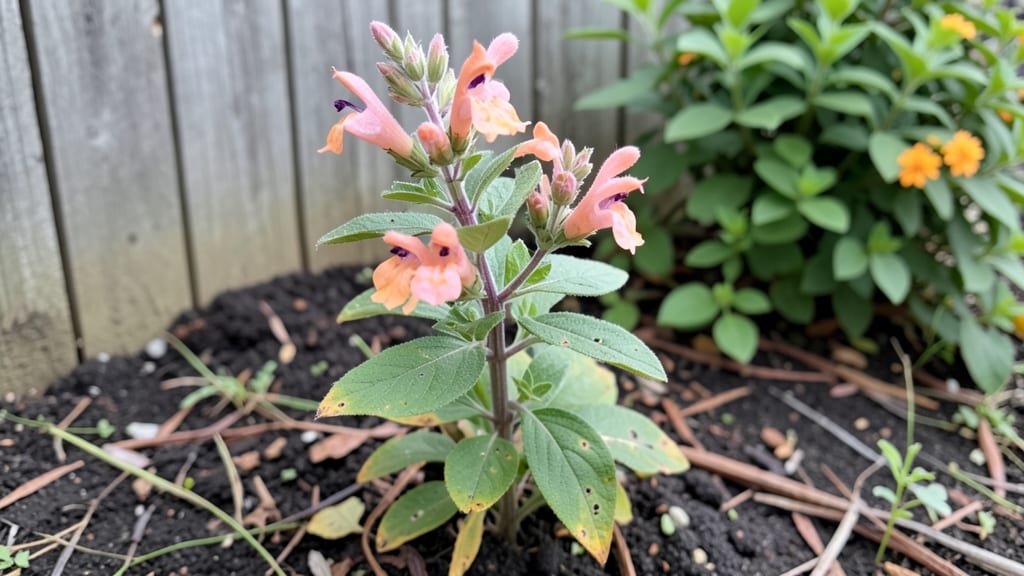
Salmon-colored flowers transform Pacific Northwest gardens into vibrant hummingbird magnets. 🌸 The soft yet striking hue bridges the gap between bold reds and delicate pinks, creating a look that feels both classic and unexpected.
I’ve designed gardens where these blooms steal the show—whether as a cottage-style border or a modern container centerpiece.
Think roses like ‘Mister Lincoln’ paired with cannas or dahlias in ‘Café au Lait.’ These plants thrive in the region’s mild summers and coastal climates, offering long bloom times. The key is layering textures—velvety petals next to feathery grasses—and letting the flowers shine against evergreens or silvery foliage for contrast.
Your garden will buzz with activity as hummingbirds flock to the nectar-rich blooms, while bees and butterflies add to the lively atmosphere. The color also pairs beautifully with deep purples, sage greens, and even soft blues, creating a cohesive yet dynamic palette that works in any light condition.
Whether you’re planting a small patio container or a full border, salmon flowers bring warmth and movement to spaces that might otherwise feel cool or muted. Start small with a single variety, then expand as you discover what thrives best in your own garden corner.
📚 In This Guide
- What you need
- Instructions
- Tips and common mistakes
- Wrapping up and next steps
What you need
- ● Salmon-colored flowering plants: Choose 3–5 varieties (e.g., Salvia ‘May Night,’ Penstemon ‘Husker Red,’ or Lobelia ‘Crystal Palace’) for a bold pop of color.
- ● Potting soil: 10–15 gallons of well-draining, organic-rich mix (e.g., Miracle-Gro Potting Mix or homemade blend: 60% peat moss, 30% perlite, 10% compost).
- ● Containers or garden beds: Containers: 5–10 pots (6–12 inches wide) with drainage holes.
- ● Garden beds: Sunlit area (6+ hours of light) with loose, fertile soil.
- ● Slow-release fertilizer: 1–2 cups (e.g., Osmocote Smart-Release Plant Food for 3–4 months of nutrients).
- ● Garden tools: Trowel or hand shovel
- ● Pruners (sterilized)
- ○ Gloves (optional but recommended)
- ● Watering can or hose: With a gentle spray nozzle for even moisture.
- ○ Mulch (optional): 2–3 inches of shredded bark or straw to retain moisture and suppress weeds.
- ○ Hummingbird-friendly extras (optional): Red feeder (for added attraction)
- ● Native companion plants (e.g., Heuchera or Sedum for texture).
How to create a stunning salmon-colored flower garden for hummingbirds
Let’s design a vibrant flower bed that attracts hummingbirds while keeping your Pacific Northwest garden looking fresh and inviting.
🌱 Step 1: Choose the Right Salmon-Colored Flowers
Start with four hummingbird favorites that bloom in soft pinks, peaches, and corals: salmon-colored penstemon, bee balm, columbine, and hollyhock. These plants thrive in the Pacific Northwest’s mild climate and provide long-lasting color. I always pick varieties labeled as "drought-tolerant" since they’re easier to maintain once established.
Check seed packets for full sun requirements—most need at least 6 hours daily. If your garden gets afternoon shade, opt for columbine or penstemon, which handle partial shade better than others. Plant 3-5 of each to ensure continuous blooms from early summer through fall.
🪴 Step 2: Prepare the Planting Area
Select a sunny, slightly elevated spot with well-draining soil—hummingbirds love flowers they can easily access. Clear weeds and loosen the top 6 inches of soil with a garden fork. Mix in 2-3 inches of compost to enrich the soil without overwhelming it.
For containers, use 5-gallon pots with drainage holes. Fill them with a lightweight potting mix blended with 20% perlite to prevent compaction. I like to add a handful of slow-release fertilizer at planting time to give roots a nutrient boost right away.
☀️ Step 3: Plant for Continuous Blooms and Hummingbird Traffic
Space plants 12-18 inches apart to allow airflow and prevent disease. Dig holes twice as wide as the root ball but only as deep. Gently remove plants from their containers and place them in the holes, ensuring the top of the root ball sits just below soil level. This prevents rot while keeping stems sturdy.
Water deeply right after planting to settle the soil. Mulch with 1-2 inches of shredded bark to retain moisture and deter weeds. Here’s the trick: plant taller varieties (hollyhock) at the back, medium-height (penstemon) in the middle, and low-growing (bee balm) in front. This creates a layered look that hummingbirds adore for easy access to nectar.
💧 Step 4: Water and Maintain for Long-Lasting Color
Water deeply 2-3 times per week until plants are established (about 6 weeks). You’ll know they’re getting enough moisture when the top inch of soil feels dry to the touch. After that, let natural rainfall take over—these flowers are surprisingly drought-resistant once rooted.
Deadhead spent blooms regularly to encourage more flowers. I snip off faded stems with clean shears in the morning when humidity is low. For extra nectar production, feed your plants every 4-6 weeks with a balanced liquid fertilizer (10-10-10 ratio). Hummingbirds will notice the difference!
✂️ Step 5: Prune and Protect for Next Year
In late fall, cut back bee balm and hollyhock to 6 inches tall to prevent disease buildup. Leave penstemon and columbine as-is—they self-seed beautifully and return stronger each spring. Mulch again with 2 inches of compost to protect roots over winter.
To attract even more hummingbirds, add a small water feature nearby—a dripping faucet or shallow birdbath works perfectly. These flowers will keep blooming until frost, giving you a salmon-colored oasis that hummingbirds can’t resist. Now, just sit back and enjoy the show!
Tips & tricks for perfect salmon-colored flower gardens
Creating a hummingbird haven with these salmon-hued blooms is easier than you think—here are my favorite tricks to make your garden thrive.
Sunlight Strategy: Those 6 hours of full sun are non-negotiable, but here's the thing: morning sun with afternoon shade works too, especially for penstemon and columbine. I've seen them thrive in spots that get direct morning light but only dappled shade in the afternoon. Just avoid deep shade entirely—hummingbirds won't visit!
Soil Prep Secret: When mixing in 2-3 inches of compost in Step 2, don't skimp on the aeration. Use a garden fork to create little pockets in the soil where roots can establish quickly. I like to work in a handful of worm castings too—it gives an extra nutrient boost without overwhelming the plants.
Layering Like a Pro: The 12-18 inch spacing in Step 3 might seem generous, but trust me on this: proper airflow prevents fungal diseases that can ruin your blooms. For that stunning layered look, I mark planting spots with sticks before digging—it helps visualize the final arrangement before you start.
Watering Wisdom: That top inch dry test in Step 4 is your best friend. I check soil moisture in the morning when it's coolest—this gives you the most accurate reading. For containers, I've found they need watering every other day during our dry Pacific Northwest summers, even after the 6-week establishment period.
Pro Tips for Salmon Colored Flowers
- Creating a hummingbird haven with these salmon-hued blooms is easier than you think—here are my favorite tricks to make your garden thrive.
- Sunlight Strategy: Those 6 hours of full sun are non-negotiable, but here's the thing: morning sun with afternoon shade works too, especially for penstemon and columbine.
- Soil Prep Secret: When mixing in 2-3 inches of compost in Step 2, don't skimp on the aeration.
Frequently asked questions
Got questions about cultivating or enjoying salmon-colored flowers in your Pacific Northwest garden? You’re in the right place! Here are answers to the most common queries—from planting tips to troubleshooting—so you can create a vibrant hummingbird haven with ease.
What are the best salmon-colored flowers for hummingbirds in the PNW?
Top picks include Salvia ‘May Night’, Penstemon ‘Firebird’, and Lupinus ‘Russell Hybrid’. These varieties thrive in the PNW’s climate, offer nectar-rich blooms, and attract hummingbirds with their bold salmon hues. Pair them with Bee Balm or Columbine for extra buzz!
When is the ideal time to plant salmon-colored flowers?
For the PNW, plant perennials in early spring (March–April) or fall (September–October) to avoid summer heat stress. Annuals like Salvia can go in after the last frost (May–June). Choose cloudy days or late afternoon to reduce transplant shock—hummingbirds will thank you for the early nectar!
How do I protect salmon flowers from PNW rain and wind?
Stake tall varieties like Penstemon or Lupine to prevent flopping. Mulch heavily (2–3 inches) to retain moisture and warmth. For windy spots, plant in sheltered microclimates (e.g., near fences or walls) or choose compact cultivars like Salvia ‘Hot Lips’.
Can I mix salmon flowers with other colors for a hummingbird garden?
Hummingbirds love contrasting colors—try pairing salmon with red (Fuchsia), purple (Delphinium), or orange (Butterfly Weed). Avoid pastels; bright, tubular blooms (like Honeysuckle) work best. Aim for 3–5 colors in clusters to create a “hummingbird buffet.”
Why aren’t hummingbirds visiting my salmon flowers?
Check these fixes:
- Nectar supply: Ensure flowers are fully open (hummingbirds prefer mature blooms). Add a hummingbird feeder with 4:1 sugar-water ratio if blooms are sparse.
- Location: Plant near shrubs or trees for perching spots. Avoid reflective surfaces (like glass) that confuse them.
- Pesticides: Skip chemical sprays—hummingbirds are sensitive to residues. Use neem oil or companion planting (e.g., Marigolds) to deter pests.
Wrapping up and next steps
Transforming your garden into a salmon-colored hummingbird haven is easier—and more rewarding—than you think! 🌸 These vibrant blooms don’t just brighten your space; they create a lively ecosystem that hummingbirds will adore. Whether you’re a seasoned gardener or just starting, every effort counts—so grab those tools and get planting!
Ready to take the next step? Start small:
- Pick one salmon-colored flower (like Salvia or Penstemon) to test your local climate.
- Share your progress with fellow gardeners—inspiration grows together! 🌱