
Flowers
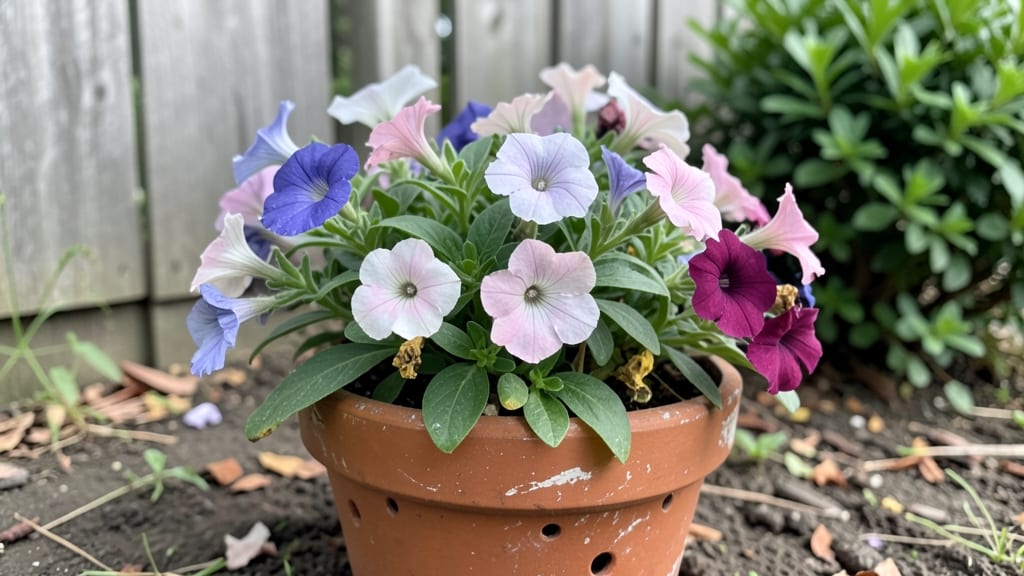
Short flowers for pots turn even the smallest balcony into a burst of color without the fuss of sprawling vines or towering stems. 🌸 I’ve filled my own containers with varieties that stay under 12 inches tall, yet pack a punch with blooms from spring to fall—no deadheading required for some.
The secret isn’t just picking dwarf plants; it’s matching their needs to your space, whether that’s a sunny windowsill or a shady corner.
These compact bloomers thrive in 5- to 10-gallon containers with proper drainage, and most need just 1-2 inches of water per week once established. Think snapdragons that bounce back after rain, petunias that spill over edges like confetti, or calibrachoas that flower nonstop if you pinch them back once.
The right mix of soil—light, airy, and amended with compost—keeps roots happy without the risk of soggy messes.
By summer’s end, you’ll have a cascading display that smells like a cottage garden but fits on a stool-height table. Combine textures: velvety lamb’s ear with spiky statice, or let trailing lobelia soften the edges of a pot.
Most handle light frosts too, so you’ll enjoy them well into autumn. The key? Group plants with similar water needs together—no more guessing whether your impatiens are thirsty while your portulaca stays crisp.
Perfect for renters, urbanites, or anyone who’s tired of watching flowers flop over pot rims. With the right picks, your containers will look intentional, not crowded—and you’ll spend less time fussing over them. Here’s how to choose the best mix for your light and style.
📚 In This Guide
- What you need
- Instructions
- Tips and common mistakes
- Wrapping up and next steps
What you need
- ● Containers: 1–3 well-draining pots (6–12 inches in diameter, depending on plant size). Choose pots with drainage holes.
- ○ Optional: Self-watering pots or hanging baskets for added convenience.
- ● Short Flower Varieties: 3–5 compact plants (e.g., Petunias, Geraniums, Pansies, Bacopa, or Mini Roses). Check height requirements—most stay under 12 inches!
- ● Soil: 1 bag of high-quality potting mix (look for "container mix" or "all-purpose" blends with perlite/vermiculite).
- ○ Drainage: A handful of pebbles or gravel (for the pot’s base) or hydroponic stones (optional).
- ● Fertilizer: 1 slow-release granular fertilizer (follow package instructions) OR
- ● 1 bottle of liquid fertilizer (balanced 10-10-10 or organic options like fish emulsion).
- ● Tools: 1 small trowel or spoon (for planting).
- ● 1 spray bottle (for gentle watering).
- ○ Optional: Pruning shears (for trimming spent blooms) and a moisture meter (to check soil hydration).
- ● 🌡️ Sunlight Check: Verify your plants’ light needs—some short flowers for pots (like Pansies) thrive in partial shade, while others (e.g., Geraniums) crave full sun!
- ● ✨ Container Styling: Add mulch or decorative stones to enhance aesthetics (bonus points for matching your décor!).
- ● 💧 Watering Hack: Group pots together to create a microclimate that retains moisture longer.
How to choose and grow compact flowers for small pots
Here’s how I pick and grow short, show-stopping flowers that love containers—no sprawling vines or overgrown messes.
🌱 Step 1: Pick the Right Varieties for Small Spaces
Look for flowers labeled compact, dwarf, or patio—these stay under 12 inches tall and fit snugly in 6- to 8-inch pots. My go-to picks include bacopa, petunias, calibrachoa, and miniature geraniums, all of which bloom nonstop without stretching. Avoid tall snapdragons or delphiniums—they’ll flop over the pot’s edge in weeks.
Check the light needs on the tag: most compact flowers thrive in full sun (6+ hours) but tolerate morning sun + afternoon shade if you live in a hot climate. I always double-check because leggy stems mean the plant’s struggling to support itself in a pot. Place your pots where the plant can stand upright without leaning.
🪴 Step 2: Prepare Pots and Soil for Drainage
Use containers with drainage holes—waterlogged roots kill compact flowers faster than anything. If your pot lacks holes, add a 2-inch layer of gravel or broken pottery at the bottom before filling with lightweight potting mix. I avoid garden soil because it compacts, cutting off airflow to delicate roots.
Fill the pot 2/3 full with mix, then add a slow-release fertilizer (like osmocote) to feed blooms all season. Press the soil down gently—just enough to remove air pockets, but don’t pack it like dirt. The goal is fluffy soil that holds moisture but drains fast.
☀️ Step 3: Plant and Water for Immediate Stability
Dig a hole twice as wide as the root ball but only as deep as the pot’s rim. Gently tease out tangled roots if they’re circling—compact flowers hate root-bound stress. Place the plant so the top of the root ball sits level with the pot’s edge (never buried deeper). Fill gaps with more potting mix, pressing lightly to remove air bubbles.
Water deeply until it drains from the bottom, then let the pot sit for 10 minutes to absorb excess. After planting, I give the soil a light mist with a spray bottle to settle the surface. Avoid heavy watering for the first 24 hours—it can wash away the soil around fragile stems.
💧 Step 4: Maintain Consistent Moisture and Light
Compact flowers in pots dry out 3x faster than in-ground plants. Water when the top inch of soil feels dry, usually every 2-3 days in summer. I check by sticking my finger in—if it’s damp, wait another day. Overwatering causes yellow leaves, while underwatering makes buds drop before opening.
Rotate pots quarter-turn weekly so all sides get even light. You’ll notice stems leaning toward the sun if you skip this—compact flowers grow toward the brightest spot, and uneven light makes them lopsided. If blooms slow down, a balanced liquid fertilizer (like 10-10-10) every 2 weeks keeps them flowering.
✂️ Step 5: Prune and Deadhead for Longer Blooms
Snip off spent blooms with clean scissors right above a set of leaves to encourage more flowers. I deadhead petunias and calibrachoa weekly—they reward you with nonstop blooms if you stay on top of it. For bacopa, pinch back leggy stems to half their length when they hit 6 inches tall—this triggers bushier growth.
If a stem looks weak or leggy, cut it back to just above a leaf node. Compact flowers bounce back fast, and pruning keeps them dense and full. I avoid heavy pruning in late summer—new growth won’t harden off before frost, and you’ll lose fall blooms.
Tips & tricks for perfect container flowers
These simple strategies will help your compact blooms thrive in pots and keep them looking lush all season long.
Selection Tip: When choosing compact varieties, look for tags that specify "trailing" or "spiller" types for pots—they'll cascade beautifully over the edges. For 6- to 8-inch pots, I always select plants with mature heights under 12 inches to prevent overcrowding. The key is matching the plant's mature size to your pot dimensions—this prevents that cramped, leggy look that ruins the aesthetic.
Soil Strategy: The 2-inch drainage layer in Step 2 isn't just about preventing root rot—it's also about creating an air pocket that helps roots establish faster. I like to use perlite or vermiculite instead of gravel for this layer because they're lighter and won't compact over time. This simple tweak makes a huge difference in how quickly your plants recover from transplant shock.
Watering Wisdom: That 10-minute drainage wait after watering is crucial for preventing soggy soil. I've learned the hard way that skipping this step leads to waterlogging, which causes yellow leaves and stunted growth. For the first 24 hours after planting, I use a spray bottle to gently mist the soil instead of deep watering—this helps settle the soil around delicate roots without disturbing them.
Light Management: The quarter-turn weekly rotation in Step 4 prevents that classic "sunburned" look where one side of your plant gets bleached. I set a reminder on my phone to rotate my pots because I've caught myself forgetting—especially when the plants start leaning toward the sun. This simple habit keeps your compact flowers growing evenly and looking their best from all angles.
Pro Tips for Short Flowers For Pots
- These simple strategies will help your compact blooms thrive in pots and keep them looking lush all season long.
- Selection Tip: When choosing compact varieties, look for tags that specify "trailing" or "spiller" types for pots—they'll cascade beautifully over the edges.
- Soil Strategy: The 2-inch drainage layer in Step 2 isn't just about preventing root rot—it's also about creating an air pocket that helps roots establish faster.
Frequently asked questions
Got questions about growing short flowers for pots? You’re not alone! Here are answers to the most common concerns—from spacing to sunlight and everything in between.
What are the best short flowers for beginners in pots?
Start with pansies, petunias, or marigolds—they’re hardy, compact, and thrive in containers. Begonias and geraniums are also great for small pots, offering vibrant blooms with minimal fuss. Look for labeled "dwarf" or "compact" varieties for guaranteed space-saving results!
How often should I water short flowers in pots?
Check soil moisture daily in summer—pots dry out fast! Water when the top inch feels dry, but avoid soggy soil (root rot is a risk). In hot weather, morning watering prevents evaporation. Self-watering pots or mulch can help maintain consistency.
Do all short flowers need full sun?
Nope! While petunias and marigolds love full sun (6+ hours), impatiens and begonias prefer partial shade (3–4 hours). Always check plant tags for light needs—overlooking this can stunt growth or fade blooms. Rotate pots occasionally for even sun exposure!
How close can I plant short flowers together in a pot?
Spacing depends on the variety, but a general rule is 3–6 inches apart for most compact flowers. Check the plant’s mature width on the tag—crowding stresses roots and invites pests. For trailing flowers (like lobelia), leave 6+ inches to let vines cascade beautifully.
Why are my short potted flowers wilting or dropping leaves?
Common culprits: overwatering, underwatering, or pests (like aphids). First, check soil moisture—wilting often means thirst, but yellow leaves signal overwatering. Inspect undersides of leaves for bugs. Adjust care and treat pests with neem oil or insecticidal soap if needed.
Can I grow short flowers in pots year-round?
Most short flowers are annuals or tender perennials, so they’ll die back in frost. In cold climates, move pots indoors (near bright windows) or overwinter hardy varieties like pansies. In warm zones, some (like geraniums) may survive outdoors year-round with protection.
Still stumped? Drop your question in the comments—we’re happy to help your potted blooms thrive!
Wrapping up and next steps
Choosing short flowers for pots is a fantastic way to bring vibrant color and life to small spaces without the fuss! From cheerful pansiespetunias, these compact varieties prove that big beauty fits in tiny containers.
Whether you’re a seasoned gardener or just starting out, these low-maintenance picks make container gardening simple and rewarding.
Ready to transform your balcony, patio, or windowsill? Grab a pot, pick your favorites, and get planting! 🌱✨