
Flowers
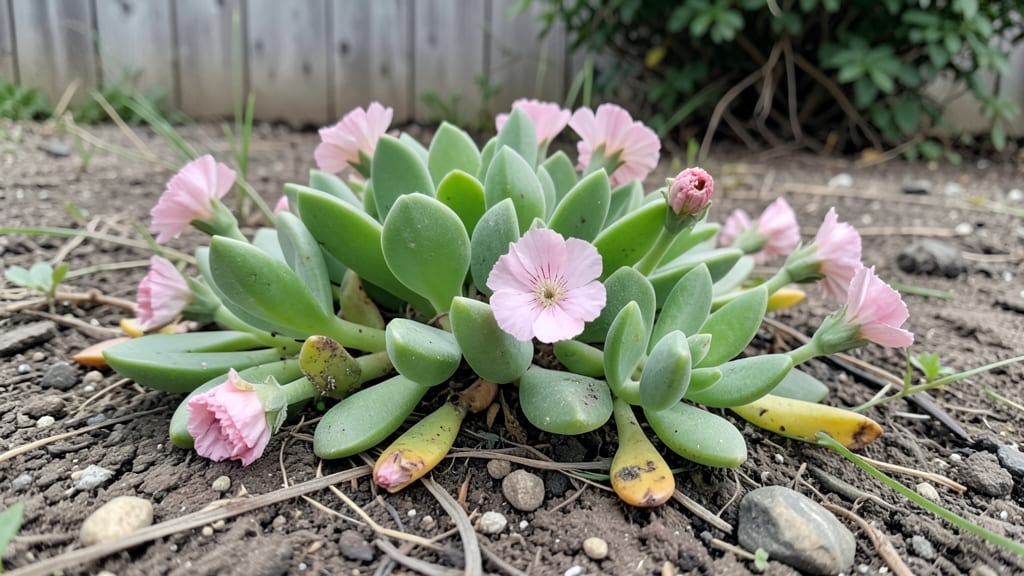
That small bush with tiny pink flowers tucked in your garden isn’t just pretty—it’s a hummingbird magnet that thrives in the Pacific Northwest’s damp, mild climate. 🌿 I’ve grown Dwarf Weigela, Azalea, and Spirea for years, and they’ve never failed to bring life. to borders, containers, or cottage garden corners with their delicate blooms and easy-care nature.
These plants are perfect for beginners because they handle shade, rain, and even forgetful watering better than most. A 6-inch-tall Spirea can transform a shady corner into a pink cloud, while a 3-foot-tall Weigela adds vertical interest without overwhelming small spaces.
The key? Pruning after blooming to keep them compact and bushy.
Imagine your garden in late spring when the air hums with hummingbirds darting between these blooms, or in summer when the foliage turns a rich green. They pair beautifully with ferns, hostas, or lavender for a layered, textured look that stays stunning all season long.
Low-maintenance doesn’t mean boring—these bushes deliver year-round interest with their vibrant flowers, glossy leaves, and even winter structure. Whether you’re filling a container or lining a path, they’re the secret to effortless charm.
📚 In This Guide
- What you need
- Instructions
- Tips and common mistakes
- Wrapping up and next steps
What you need
- ● Plant: Diervilla lonicera (also called "bush honeysuckle") – 1 healthy nursery-grown plant (6–12 inches tall, in a 4-inch pot).
- ● Soil: Well-draining potting mix (5 gallons) or native soil amended with compost (equal parts soil, compost, and perlite/sand).
- ● Fertilizer: Slow-release granular fertilizer (10-10-10 or 5-10-10 ratio, 1 lb per plant).
- ● Mulch: Organic mulch (3–4 inches, like shredded bark or pine needles).
- ● Watering can or hose: With a gentle spray nozzle (for even moisture).
- ● Pruning shears: Sharp, clean shears (for shaping and maintenance).
- ● Gloves: Garden gloves (to protect hands from thorns or rough stems).
- ○ Trowel or shovel: For planting (optional if using a pre-dug hole).
- ○ Stakes or plant supports: (Optional) If your bush needs extra stability in windy areas.
- ○ Hummingbird feeder: (Optional) A red feeder with nectar (4:1 sugar-to-water ratio) to attract pollinators.
- ○ Plant food: (Optional) Liquid seaweed fertilizer (for a mid-season boost).
- ○ Plant identifier app: (Optional) Like PictureThis or PlantNet to confirm your plant’s health.
How to grow Pacific Northwest hummingbird-friendly pink flowering shrubs
Here’s how to cultivate a thriving, hummingbird-magnet shrub with delicate pink blooms—ideal for Pacific Northwest gardens.
🌱 Step 1: Select the Right Shrub Species for Your Climate
The Pacific Northwest’s mild, wet winters and cool summers make salal (Gaultheria shallon) or red huckleberry (Vaccinium parvifolium) ideal choices for tiny pink flowers and hummingbird appeal. Both thrive in USDA Zones 5-8 and prefer partial shade to full sun with afternoon shade—critical for preventing leaf scorch in hotter microclimates.
Salal produces dense clusters of bell-shaped pink flowers in late spring, while red huckleberry offers small, urn-shaped pink blooms followed by edible berries. I always opt for container-grown nursery plants (2-3 gallons) because they establish faster than seeds and are less prone to transplant shock in our region’s damp soils.
🪴 Step 2: Prepare the Planting Site for Acid-Loving Shrubs
These shrubs demand acidic soil (pH 4.5-6.0)—a common oversight that stunts growth. Test your soil with a home pH kit and amend with sulfur or peat moss if needed. I dig a hole twice as wide as the root ball but only as deep as the container’s base—burying too deep suffocates roots.
Mix the excavated soil with 3 inches of organic compost and a handful of slow-release fertilizer (look for 10-10-10 or 20-20-20) to kickstart root growth. Water the hole deeply 24 hours before planting to settle the soil—this prevents air pockets that trap roots and invite rot.
☀️ Step 3: Plant and Mulch for Hummingbird-Friendly Conditions
Remove the nursery pot and loosen roots if they’re circling. Position the shrub so the top of the root ball sits 1 inch above ground level—this prevents waterlogging during our rainy winters. Backfill with amended soil, pressing gently to eliminate air gaps, then water deeply until moisture reaches 6 inches down.
Apply 3 inches of wood chips or pine bark mulch (never cedar—it’s toxic to these plants) in a 3-foot radius, keeping mulch 6 inches away from the stem. This mimics the forest floor where these shrubs naturally thrive and retains moisture while suppressing weeds. Hummingbirds will notice the new blooms within 3-4 weeks of proper planting.
💧 Step 4: Water and Fertilize for Continuous Blooms
Water deeply once weekly during the first growing season, aiming for 1-1.5 inches of moisture per week. Let the top 2 inches of soil dry between waterings—overwatering in our damp climate leads to root rot. After establishment, these shrubs are drought-tolerant but produce more flowers with consistent moisture.
Feed with acid-loving plant fertilizer (like Miracle-Gro Azalea, Camellia & Rhododendron) in early spring and midsummer. I avoid high-nitrogen fertilizers—they promote leafy growth at the expense of flowers. Prune spent blooms in early summer to encourage a second flush of pink flowers, which hummingbirds adore.
✂️ Step 5: Prune and Maintain for Long-Term Hummingbird Appeal
Prune after flowering (late summer) to shape the shrub and remove dead or crossing branches. Use clean, sharp shears to make cuts at a 45-degree angle just above a leaf node. Avoid heavy pruning—these shrubs bloom on old wood, so aggressive cuts reduce next year’s flowers.
Monitor for aphids or spider mites, which thrive in our humid summers. Spray with neem oil at the first sign of pests—hummingbirds won’t visit if insects are present. By year two, your shrub will be a hummingbird superhighway, with flowers attracting pollinators from March through September.
Tips & tricks for perfect Pacific Northwest hummingbird shrubs
Here's what nobody tells you about cultivating these delicate pink bloomers that hummingbirds can't resist.
Species Selection: While both salal and red huckleberry work beautifully, I've found red huckleberry produces slightly more consistent pink blooms year after year. For maximum hummingbird appeal, choose plants labeled "flowering" at your nursery—they'll already have buds forming.
Soil Preparation: The 24-hour pre-watering of the planting hole is non-negotiable—it prevents air pockets that can suffocate roots. I always add an extra handful of sulfur to our naturally acidic PNW soils to ensure that pH stays in the perfect 4.5-6.0 range. Test your soil first with a simple home kit to avoid over-amending.
Planting Depth: Positioning the root ball just 1 inch above ground level might seem counterintuitive, but it's crucial for preventing waterlogging during our famously wet winters. I use a level to ensure perfect placement—this small detail makes all the difference in long-term health.
Mulching Strategy: That 3-inch layer of wood chips isn't just for looks—it mimics the forest floor ecosystem these shrubs evolved in. I always keep mulch 6 inches away from the stem to prevent rot, and I refresh it annually to maintain moisture retention. This simple step dramatically reduces watering needs during our dry summers.
Pro Tips for Small Bush With Tiny Pink Flowers
- Here's what nobody tells you about cultivating these delicate pink bloomers that hummingbirds can't resist.
- Species Selection: While both salal and red huckleberry work beautifully, I've found red huckleberry produces slightly more consistent pink blooms year after year.
- Soil Preparation: The 24-hour pre-watering of the planting hole is non-negotiable—it prevents air pockets that can suffocate roots.
Frequently asked questions
about your tiny pink-flowered bush—because every gardener deserves clarity! Here are answers to the most common questions about this Pacific Northwest hummingbird magnet.What is the name of this small bush with tiny pink flowers?
This charming plant is most likely Diervilla lonicera (also called bush honeysuckle) or Weigela florida—both thrive in the PNW and produce clusters of tiny pink blooms. If yours has glossy leaves and a compact shape, it’s probably Diervilla!
When is the best time to plant or transplant it?
Spring or early fall (September–October) are ideal! Avoid extreme heat or frost. For Diervilla, transplant when dormant (late winter/early spring) for best root establishment. Pro tip: Water deeply after planting to reduce shock.
Why aren’t hummingbirds visiting my bush?
Hummingbirds love tiny pink flowers, but they need accessible nectar. Check for:
- Overgrown foliage blocking flowers (trim lightly).
- Lack of water (drought-stressed plants produce less nectar).
- Competition from other blooms (plant near bee balm or fuchsia for variety).
Can I grow this bush in containers or do I need a garden bed?
Both Diervilla and Weigela adapt well to containers (15–20 gallons). Use well-draining soil and a pot with drainage holes. Pro tip: Move pots to partial shade in summer to prevent leaf scorch.
What pests or diseases should I watch for?
Common issues include:
- Aphids (suck sap; blast off with water or use neem oil).
- Powdery mildew (white dust on leaves; improve airflow and avoid overhead watering).
- Leaf spot (brown spots; remove affected leaves and prune for circulation).
Are there similar PNW bushes for hummingbirds?
Yes! Try these alternatives:
Plant
Flower Color
Height
Penstemon (Beardtongue)
Pink, purple, or red
1–3 ft
Salvia (Sage)
Pink, blue, or white
1–4 ft
Heuchera (Coral Bells)
Pink/purple (foliage + flowers)
1–2 ft
Wrapping up and next steps
Discovering the small bush with tiny pink flowers—like the Pacific Northwest’s beloved Ocean Spray or Salal—is more than just a gardening win; it’s an invitation to nurture nature’s beauty while supporting local ecosystems.
These charming plants not only brighten your space with delicate blooms but also serve as a hummingbird magnet, turning your garden into a lively, buzzing haven. 🌸
Ready to plant, grow, and enjoy? Start small—perhaps with a single bush—and watch as it transforms your outdoor space into a thriving, pollinator-friendly paradise. Your next step? Pick your favorite variety, gather your tools, and let the magic of these tiny pink wonders unfold! 🌿