
Planting
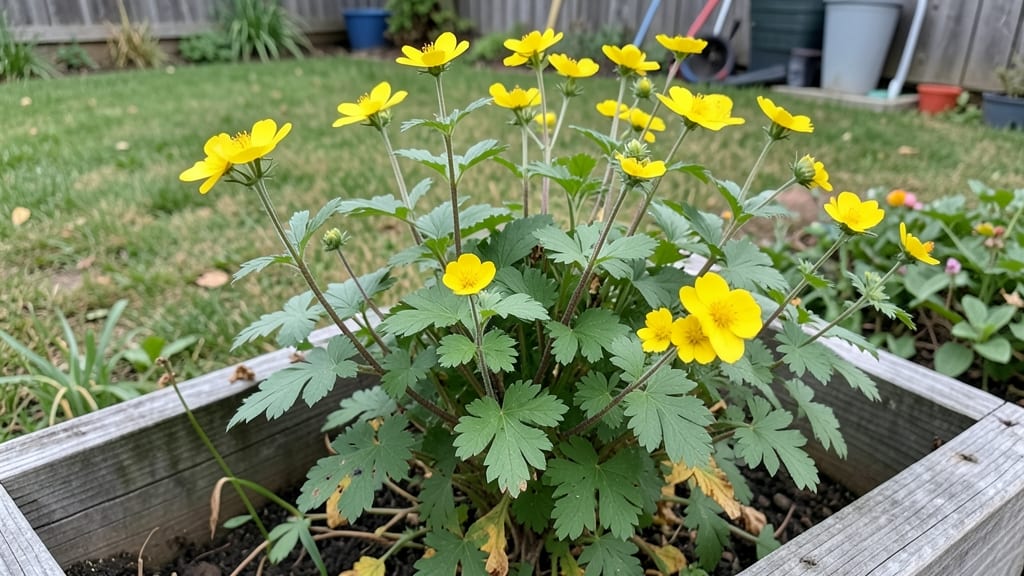
Finding the small yellow flower plant that thrives in the Pacific Northwest’s damp, mild climate changed my garden forever. 🌸 These cheerful bloomers don’t just survive here—they turn every corner into a buzzing pollinator paradise, even when other flowers give up in winter’s chill.
My go-to picks are coreopsis for sunny borders, primrose for shade, and marigolds for containers—they all handle our region’s mix of rain and sun like pros. The key? Well-draining soil (even in our wet winters) and a spot where they get at least 4-6 hours of sunlight daily.
Overwatering is the #1 mistake, but once established, these plants practically take care of themselves.
By late spring, you’ll have clouds of bright yellow blooms that attract bees, butterflies, and hummingbirds—something store-bought flowers can’t match. The fragrance alone makes it worth the effort, and they keep blooming until frost. Even my black thumb can’t kill these.
Works in borders, pots, or wildflower meadows—just pick the right variety for your spot. Let’s get those pollinators feasting!
📚 In This Guide
- What you need
- Instructions
- Tips and common mistakes
- Wrapping up and next steps
What you need
- ● Seeds or seedlings: Small yellow flower seeds (e.g., Erigeron, Coreopsis, or Lupinus varieties) – 1-2 packets (50-100 seeds per packet).
- ● OR nursery-grown seedlings – 3-5 plants (for immediate blooms).
- ● Well-draining potting mix: 1 bag (12-18 qt) (look for organic or PNW-specific blends).
- ● Containers or garden bed: Containers: 3-5 pots (5-7" diameter) with drainage holes.
- ● OR a garden bed with 6+ hours of sunlight (partial shade works for some varieties).
- ● Watering can or hose with a gentle spray nozzle.
- ○ Organic fertilizer (optional but recommended): 1 small bag (e.g., fish emulsion or compost).
- ● Garden gloves (to keep hands clean from soil and thorns).
- ● Trowel or transplant spade (for digging small holes).
- ● Mulch (e.g., straw or bark) – 1 small bale (to retain moisture).
- ● Pruning shears (for trimming spent blooms and encouraging regrowth).
- ● Pollinator-friendly companion plants (e.g., yarrow or lavender) – 1-2 extra plants (to attract bees and butterflies!).
Step-by-step guide to cultivating a thriving small yellow flower plant
Turn your Pacific Northwest garden into a buzzing haven with these easy steps for year-round blooms.
🌱 Step 1: Select the Right Variety for Your Climate
Choose a native or well-adapted small yellow flower plant like Pacific goldenrod (Solidago simplex) or western wallflower (Erysimum asperum), both of which thrive in the PNW's mild, wet winters and cool summers. These species are drought-tolerant once established and attract pollinators like bees and butterflies year-round. Avoid tropical varieties that struggle with our region's seasonal shifts.
Check the plant tag for USDA Hardiness Zone 6-9 compatibility—most PNW gardens fall within this range. If buying seeds, opt for native seed mixes labeled for your specific region. I always verify the plant's mature height (typically 1-3 feet) to ensure it fits my garden's design without overpowering other plants.
☀️ Step 2: Prepare the Perfect Site with Sun and Soil
Most small yellow flowering plants need full sun (6+ hours daily), but a few, like goldenrod, tolerate partial shade. In the PNW, this often means positioning them where they get morning sun and afternoon shade, especially in hotter inland areas. Test your spot by observing how much direct sunlight it receives over a week—you'll see the difference in plant health immediately.
Amend your native soil with 2 inches of compost to improve drainage and fertility. PNW soils often compact easily, so I mix in a handful of perlite or coarse sand to prevent waterlogging. Avoid heavy garden soil, which can suffocate roots. The ideal soil mix should feel like a damp sponge—not too wet, not too dry.
🪴 Step 3: Plant at the Right Time and Depth
For container-grown plants, transplant in early spring (March-April) or early fall (September-October) when soil temperatures are cool but not frozen. Dig a hole twice as wide as the root ball but only as deep as the container's base—planting too deep can suffocate the stem. Gently loosen the roots if they're circling the container.
For seeds, sow directly in late winter (February-March) or early fall (September). Press them lightly into the soil (about ¼ inch deep) and keep the surface moist until germination, which typically takes 10-21 days depending on the species. I use a fine mist spray to avoid disturbing the seeds—overwatering here is the fastest way to wash them away.
💧 Step 4: Water and Feed for Consistent Blooms
Water deeply once a week during the first growing season to encourage deep root growth. In the PNW's rainy climate, you'll need to adjust for seasonal shifts—reduce watering in winter and increase slightly during dry summer spells. Let the top 2 inches of soil dry out between waterings to prevent fungal issues like powdery mildew, which thrives in our damp air.
Fertilize lightly in early spring with a balanced 10-10-10 fertilizer (about ½ teaspoon per plant). Native plants often don't need much—too much fertilizer can lead to lush foliage but fewer flowers. I skip fertilizing in fall to let the plant harden off for winter. Look for yellowing leaves as a sign of over-fertilization.
✂️ Step 5: Prune and Maintain for Year-Round Beauty
Deadhead spent blooms regularly to encourage continuous flowering. For most small yellow flowers, simply pinch off the faded flower heads with your fingers—no tools needed. This prevents the plant from setting seed and redirects its energy into new blooms. I do this every 2-3 weeks during the growing season, and you'll notice fresh flowers appearing within days.
In late fall, cut back the stems by ⅓ of their height to tidy up the plant and prepare it for winter. Leave the basal leaves intact—they protect the crown from cold temperatures. In early spring, remove any dead or damaged growth before new shoots emerge. You'll see fresh green growth within 2-3 weeks of pruning.
Tips & tricks for Pacific Northwest pollinator plants
Creating a thriving garden of small yellow flowers in the PNW takes more than just planting—it's about understanding the unique needs of these pollinator favorites. Here's what I've learned to make sure your garden becomes a buzzing paradise.
Native Variety Selection: When choosing between Pacific goldenrod and western wallflower, consider your garden's specific microclimate. Goldenrod thrives in drier, sunnier spots and blooms later in the season, while western wallflower handles more moisture and flowers earlier. I've found that planting both creates a continuous bloom cycle from spring through fall.
Soil Preparation Strategy: The 2 inches of compost recommendation is non-negotiable, but don't stop there. Mix in a handful of coarse sand or perlite to create that perfect "damp sponge" texture. For heavy clay soils common in the PNW, I add a 50/50 mix of compost and sand to prevent waterlogging. This simple adjustment has made all the difference in root health for my plants.
Timing is Everything: The early spring and fall planting windows are ideal because they give roots time to establish before summer heat or winter frost. For seeds, I've found that late winter sowing (February-March) often yields better germination than fall planting, especially in wetter PNW winters. Just remember to keep that seedbed consistently moist without overwatering—it's a delicate balance.
Pollinator-Friendly Maintenance: When deadheading every 2-3 weeks, save those spent blooms! Dry them and use them as seed heads for winter interest. I also leave a few flowers on a couple of plants to allow some seed production—this ensures you'll have new plants for next season. The key is balance: enough deadheading to encourage new blooms, but not so much that you eliminate natural seed dispersal.
Pro Tips for Small Yellow Flower Plant
- Creating a thriving garden of small yellow flowers in the PNW takes more than just planting—it's about understanding the unique needs of these pollinator favorites.
- Native Variety Selection: When choosing between Pacific goldenrod and western wallflower, consider your garden's specific microclimate.
- Soil Preparation Strategy: The 2 inches of compost recommendation is non-negotiable, but don't stop there.
Frequently asked questions
Got questions about nurturing your small yellow flower plant? You’re not alone! Here are some of the most common queries—and their answers—to help you keep your pollinator paradise thriving year-round.
What’s the easiest small yellow flower plant to grow in the Pacific Northwest?
For beginners, Erigeron karvinskianus (Seaside Daisy) or Lupinus (Lupine) are fantastic choices. Both tolerate the region’s damp winters, thrive in partial shade, and attract bees and butterflies. Erigeron spreads quickly, while Lupinus adds height and texture—perfect for borders or slopes!
When is the best time to plant small yellow flowers?
Spring (March–May) is ideal for most varieties, as the soil warms and rain softens. However, Lupinus and Solidago (Goldenrod) can also handle fall planting (September–October). Avoid planting in winter unless you’re using cold-hardy ground covers like Ajuga or Viola (Violas).
Why aren’t bees visiting my small yellow flowers?
Bees love yellow flowers, but they need accessible nectar and pollen. If visits are sparse, try:
Overhead watering and poor airflow cause mold. Water at the base in the morning, and space plants 12–18 inches apart for airflow. If mold appears, trim affected leaves and treat with a baking soda spray (1 tsp baking soda + 1 quart water). Raised beds or containers also help! If you want yellow blooms with zero fuss, try:
How do I keep my small yellow flowers from getting moldy in PNW’s wet climate?
What’s a low-maintenance alternative to high-maintenance small yellow flowers?
All three handle PNW’s weather like champs!
Wrapping up and next steps
Transforming your Pacific Northwest garden into a buzzing pollinator paradise is easier—and more rewarding—than you think! These small yellow flower plants aren’t just pretty; they’re year-round lifelines for bees, butterflies, and hummingbirds. Whether you’re a seasoned gardener or just starting, every bloom you plant makes a difference. 🌸
Ready to take the next step? Start small:
- Pick one plant from this list to test your soil and sunlight.
- Share your progress (or blooms!) with fellow PNW gardeners—tag us @PNWGardener for inspiration!
- Expand your garden gradually—each season, add more colors and textures for even greater impact.