
Pests
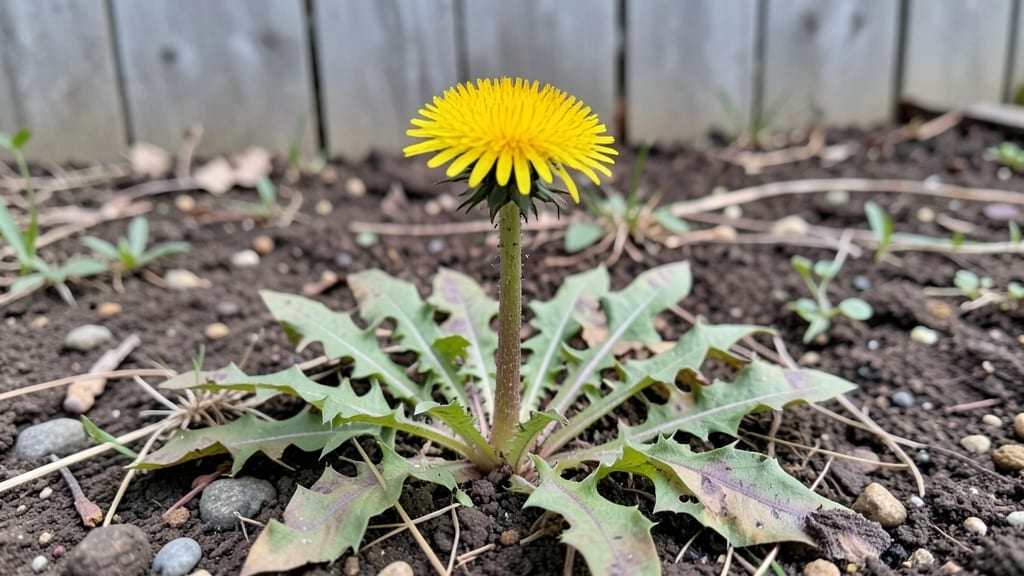
That small yellow-flowered weed sneaking up between your petunias might seem innocent, but it’s likely a nutrient thief stealing space—and your plants’ growth. 🌱 I’ve battled these persistent invaders for years—dandelions, chickweed, and clover all share that bright yellow bloom, but their removal strategies differ wildly.
The first step? Knowing exactly which one you’re dealing with before pulling it out.
Dandelions spread aggressively through deep taproots, while chickweed mats across soil surfaces and clover fixes nitrogen. Grab a trowel, gloves, and a sharp knife—manual removal works best for dandelions, but chickweed often needs repeated pulling or vinegar spray.
Some “weeds” (like clover) even have benefits, so don’t nuke everything in sight.
📚 In This Guide
- What you need
- Instructions
- Tips and common mistakes
- Wrapping up and next steps
What you need
- ● Garden gloves (1 pair) – Opt for heavy-duty, water-resistant gloves to protect your hands from thorns, dirt, and chemicals.
- ● Hand trowel or weeding knife (1) – A sturdy, sharp-edged tool (like a Fiskars weeding knife) makes extraction easier.
- ● Garden fork or dandelion digger (1) – For deep-rooted weeds (e.g., dandelions), a long-handled fork or specified dandelion tool works best.
- ● Garden twine or string (1 roll) – Useful for tying off weeds before disposal.
- ● Buckets or heavy-duty trash bags (2–3) – For collecting debris (preferably biodegradable bags if composting).
- ● Hose with adjustable nozzle – A sharp spray setting helps loosen soil before pulling.
- ● Organic weed killer (e.g., vinegar + dish soap or corn gluten meal) – For preventative treatment in high-weed areas.
- ● Mulch (straw, wood chips, or cardboard) – 3–4 inches thick to smother weeds and retain moisture.
- ● Knee pad or small stool – For comfort during long sessions.
- ● Labeling spray – If you’re testing treatments, mark areas to track progress.
How to identify and eradicate common yellow flowered weeds
Here’s the method I rely on to spot and remove these persistent garden pests before they spread.
🌱 Step 1: Identify the Weed by Key Characteristics
Start by examining the weed’s structure: look for small yellow flowers (typically ¼ to ½ inch wide) and narrow, lance-shaped leaves arranged alternately along the stem. Dandelions and chickweed often mimic this appearance, but true yellow-flowered weeds like goldenrod or lespedeza have hairy stems and compound leaf structures. Pull one carefully to check the root system—deep taproots (like dandelions) or fibrous networks (like clover) change your removal strategy.
Timing matters: inspect your garden in late afternoon when flowers are fully open. This is when the bright yellow petals and distinctive seed heads are easiest to spot. I keep a small notebook nearby to jot down locations—I’ve found that weeds cluster near high-traffic garden paths or disturbed soil areas where sunlight reaches the surface.
✂️ Step 2: Remove Weeds at the Root
Grab a hand trowel or your fingers and dig 1-2 inches deep around the weed’s base to loosen the root ball. For weeds with taproots, use a dandelion weeder to extract the entire root—even a ½-inch fragment left behind will regrow. I’ve learned the hard way that surface pulling only triggers faster regrowth. Toss the uprooted weed into a sealed trash bag (never compost—seeds can survive and spread).
Work in small sections (about 2 feet by 2 feet) to avoid missing any hidden plants. After removal, rake the area lightly to uncover any overlooked seedlings. I like to do this on a dry, sunny day—soil is easier to work with, and weeds are more visible against the dry ground.
💧 Step 3: Prevent Regrowth with Mulch and Soil Care
Spread a 2-3 inch layer of mulch (like shredded bark or straw) over the cleaned area to block sunlight from reaching weed seeds. Organic mulch also improves soil as it breaks down. I avoid plastic mulch—it traps heat and encourages weed seeds to germinate faster. Water the area lightly after mulching to help it settle and create a barrier.
For stubborn weeds like henbit or creeping buttercup, apply a vinegar-based herbicide (5% acetic acid) directly to the leaves on a warm, windless day. This kills the plant quickly but won’t harm surrounding vegetation if used carefully. Always test a small area first—some plants (like clover) can tolerate it better than others.
☀️ Step 4: Monitor and Maintain Weed-Free Zones
Check the same areas weekly for new growth—weeds like goldenrod can produce thousands of seeds per plant, so early detection is critical. I mark high-risk zones with small garden flags to prioritize inspections. If you spot a new weed, remove it immediately before it flowers and spreads seeds.
Encourage competitive ground covers like creeping thyme or clover in sunny areas—they outcompete weeds for nutrients and sunlight. In shady spots, hostas or fern varieties create dense foliage that naturally suppresses weeds. This reduces your long-term removal workload significantly.
Tips & tricks for perfect weed eradication
Here's what nobody tells you about tackling those stubborn yellow-flowered weeds—these tricks will make all the difference in your garden battle.
Timing Secret: The late afternoon inspection in Step 1 is your golden window because that's when yellow-flowered weeds like goldenrod and lespedeza show their most distinctive features—fully opened flowers and visible seed heads. I've found that weeds in full sun are easiest to spot at this time because their bright yellow petals stand out against the dry ground. Pro tip: Bring a small magnifying glass if you're dealing with tiny seedlings—it helps distinguish the narrow, lance-shaped leaves from beneficial plants.
Root Removal Technique: In Step 2, when you're digging around those 1-2 inch deep roots, don't just pull—the wiggle method works better. Grab the base and twist gently while pulling upward. This breaks the root ball cleanly, especially for weeds with fibrous networks. I keep a small bucket of soapy water nearby to rinse my hands after handling weeds, as some (like creeping buttercup) can cause skin irritation. And always check the soil beneath the roots—you'd be surprised how many hidden seedlings you'll find!
Mulch Strategy: For Step 3, I recommend using straw mulch instead of shredded bark if you're dealing with persistent weeds. Straw creates a tighter barrier that blocks more sunlight, and it breaks down more slowly, giving you longer weed suppression. When applying that 2-3 inch layer, create a slight mound around your plants to direct water away from their stems—this prevents rot while keeping weeds at bay. The key is consistency: maintain that mulch layer throughout the growing season.
Herbicide Safety: When using vinegar-based herbicides on stubborn weeds in Step 3, always mix it with a drop of dish soap. This helps the solution cling to leaves and penetrate better. I use a spray bottle with a fine mist setting to avoid overspray on desirable plants. For spot treatment, I apply it directly to leaves on warm, windless days—this ensures the acetic acid works effectively without harming nearby vegetation. Always test a small area first, especially if you have clover or other vinegar-tolerant plants nearby.
Pro Tips for Small Yellow Flowered Weed
- Here's what nobody tells you about tackling those stubborn yellow-flowered weeds—these tricks will make all the difference in your garden battle.
- I've found that weeds in full sun are easiest to spot at this time because their bright yellow petals stand out against the dry ground.
- Root Removal Technique: In Step 2, when you're digging around those 1-2 inch deep roots, don't just pull—the wiggle method works better.
Frequently asked questions
What is the most common small yellow-flowered weed in gardens?
Chances are, you’re dealing with dandelions or creeping Charlie (ground ivy). Dandelions have bright yellow flowers and toothed leaves, while creeping Charlie has kidney-shaped leaves and spreads aggressively. Other suspects include henbit or clover, but dandelions are the top culprit!
When is the best time to remove small yellow-flowered weeds?
Attack before they seed! For dandelions, pull them when the soil is moist (early morning or after rain) to avoid breaking the taproot. For creeping Charlie, target it in spring or fall when it’s actively growing. Pro tip: Mow or trim flowers before they go to seed to stop the spread!
What’s the most effective way to kill small yellow-flowered weeds permanently?
For dandelions, dig deep with a dandelion weeder or use a vinegar-based herbicide (3% acetic acid) for stubborn roots. Creeping Charlie often requires pre-emergent herbicides or repeated spot treatments with glyphosate. Pro tip: For organic control, smother weeds with cardboard + mulch or hand-pull consistently.
Are small yellow-flowered weeds harmful to my lawn or garden?
Not usually harmful, but they’re competitive! Weeds like dandelions and creeping Charlie steal nutrients and water from your plants. Creeping Charlie can also lower soil pH, making it harder for grass to thrive. Plus, their seeds spread quickly—so early removal saves you hours of work later!
What can I plant to naturally prevent small yellow-flowered weeds?
Thick, healthy ground cover is your best defense! Try clover (yes, it’s a weed but fixes nitrogen!), creeping thyme, or dense grass varieties like fine fescue. Pro tip: Mulch with wood chips or straw to block sunlight and suppress weed seeds—just keep it 2-3 inches thick.
Why do small yellow-flowered weeds keep coming back even after I remove them?
Most likely, you’re missing the roots or seeds! Dandelions have deep taproots—use a dandelion weeder to get the whole root. For creeping Charlie, it spreads via runners, so dig up all visible stems. Pro tip: Check for seedlings regularly—new weeds pop up fast!
Wrapping up and next steps
Identifying and eradicating that pesky small yellow-flowered weed doesn’t have to feel like a losing battle! With the right tools, techniques, and a little persistence, you can reclaim your garden’s beauty—one stubborn plant at a time. 🌱
Ready to take action? Start by inspecting your garden weekly and applying the methods you’ve learned. Share your progress with fellow gardeners or join a local gardening group for extra support. Every small step keeps your yard thriving—and weed-free!