
Flowers
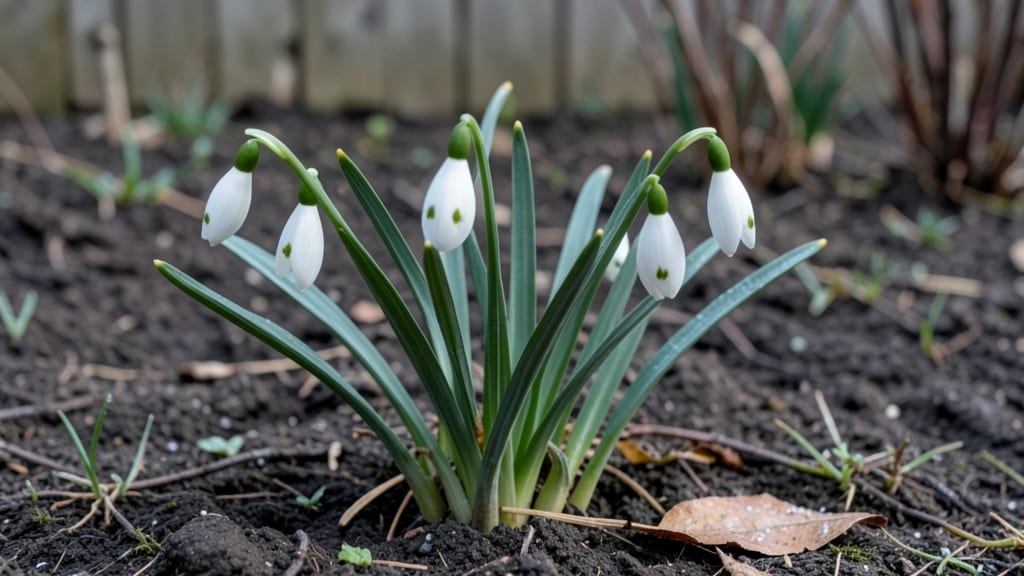
The snowdrop flower symbolism of quiet hope and resilience makes their delicate white blooms perfect for gardens meant to inspire or honor, as they carry the promise that life persists even when the world seems frozen. 🌱 In folklore, snowdrops were called "the tears of Mary" or "the promise of spring," appearing in medieval art as harbingers of better days.
Their meaning extends beyond symbolism into garden design. Plant them near memorials, where their early blooms feel like whispered messages to loved ones, or weave them into woodland gardens to create a sense of magic as winter thaws.
Pair them with hellebores for layered winter interest, or let them naturalize under trees where they’ll return year after year.
You’ll create spaces that feel alive even in the coldest months—imagine a shady corner where snowdrops nod in the breeze, their message of persistence echoing through the seasons. The effect is subtle but profound, turning a garden into a story of quiet triumph.
Historical references add depth: Shakespeare wrote of them as "the fairest flowers of winter," and Victorian mourners scattered snowdrop petals over graves. Their symbolism isn’t just poetic—it’s practical, guiding how we shape gardens to reflect meaning as well as beauty.
📚 In This Guide
- What you need
- Instructions
- Tips and common mistakes
- Wrapping up and next steps
What you need
- ● Fresh or dried snowdrop bulbs/flowers: 3–5 bulbs (for planting) or 10–15 stems (for arrangements). Opt for Galanthus nivalis (common snowdrop) or Galanthus elwesii (giant snowdrop) for authenticity.
- ● Potting soil: 1–2 gallons of well-draining, peat-based mix (or compost for outdoor planting). Pro tip: Mix in perlite or sand (1 part) to improve aeration!
- ● Containers or garden bed: For indoor pots: 6–8" diameter containers with drainage holes (terracotta or ceramic).
- ● For outdoor planting: A partially shaded spot with loose, fertile soil.
- ● Watering can or spray bottle: With a fine rose attachment (to avoid disturbing bulbs).
- ● Pruning shears or scissors: Sharp, clean pair for trimming stems (if arranging).
- ○ Optional preservative: 1 packet of floral preservative (for cut arrangements, extends vase life by 3–5 days).
- ● Symbolic decor: Tiny white or silver charms (e.g., snowflakes, hope-themed pendants) to pair with arrangements.
- ● Journal or sketchbook: For noting snowdrop folklore, planting dates, or bloom observations.
- ● Winter-themed backdrop: Faux snow, moss, or evergreen branches to enhance displays.
- ● Poetry or quotes: Printed cards with snowdrop symbolism (e.g., "Hope is the thing with feathers" by Emily Dickinson).
- ● Patience: Snowdrops bloom early (Jan–Mar), so plan ahead!
- ● Cold tolerance: Bulbs thrive in USDA Zones 3–8 (or indoors with bright, indirect light).
- ● Basic gardening knowledge: Familiarity with bulb planting (or willingness to learn!).
Understanding snowdrop flower symbolism through history and culture
These delicate winter blooms whisper messages of resilience and renewal—here's how to interpret their timeless meaning.
🌱 Step 1: Recognize the Snowdrop’s Core Symbol of Hope
The snowdrop’s most universal message is hope—a beacon of light when winter feels endless. Its name alone tells the story: these flowers push through frozen ground, often appearing before snow has fully melted. In Christian symbolism, they represent resurrection and faith, blooming around Christmas to remind us of spring’s promise. I always think of them as nature’s way of saying, "Winter won’t last forever."
This symbolism extends to modern times, where snowdrops appear in art and literature as symbols of perseverance during dark periods. Their delicate white petals contrast with the harsh winter landscape, making them a powerful metaphor for inner strength. If you’ve ever planted snowdrops, you’ve witnessed this firsthand—their stubborn emergence after months of dormancy is nothing short of inspiring.
☀️ Step 2: Explore Their Cultural Meanings Across Regions
In Greek mythology, snowdrops symbolize tears of joy—a paradox that reflects their dual nature as both mourner and celebrant. The Romans associated them with faithfulness, often gifting them to signify enduring love. Meanwhile, in Victorian England, they carried a deeper meaning: a snowdrop sent to a lover could imply "I’ll wait for you"—a promise of patience during separation. This regional diversity shows how snowdrops adapt their message to cultural contexts.
In Japanese culture, they’re linked to new beginnings, often planted in gardens to invite prosperity for the coming year. Some traditions even tie them to ancestral spirits, believing their early bloom helps guide lost souls back to the living world. If you’ve ever seen snowdrops in a Japanese garden, you’ll notice how they’re often arranged near stone lanterns or water features—a nod to their spiritual significance.
💧 Step 3: Decode Their Subtle Symbolic Gestures in Modern Times
Today, snowdrops often appear in funerary wreaths as symbols of eternal life, their white petals representing purity and the cycle of rebirth. Their fleeting bloom—lasting only a few weeks—also carries a message of transience, reminding us to cherish moments. In literature, they’re frequent motifs in works about survival, like Charles Dickens’ A Christmas Carol, where their appearance signals Scrooge’s redemption.
Gardeners and poets alike use snowdrops to convey subtle reassurance. A single snowdrop in a vase might say, "Things will improve"—a message that resonates deeply in winter’s quiet despair. Their quiet beauty makes them ideal for minimalist arrangements, where their meaning isn’t shouted but whispered. If you’ve ever given snowdrops as a gift, you’ve likely chosen them precisely because their symbolism speaks volumes without words.
✂️ Step 4: Connect Their Symbolism to Your Own Winter Garden
Planting snowdrops isn’t just about aesthetics—it’s an act of intentional hope. Their early bloom signals the return of life, making them perfect for gardens dedicated to renewal. I like to plant them near bare branches or evergreens to create a stark contrast, reinforcing their message of light in darkness. Even in a small urban pot, a single snowdrop can transform a winter scene into a symbol of resilience.
To deepen their symbolic impact, pair them with other winter-blooming plants like hellebores or winter aconite. The combination sends a stronger message: "Nature is always moving forward, even when it seems still." If your garden feels dormant this winter, snowdrops are a gentle reminder that growth is happening beneath the surface—just like the roots preparing for spring.
Tips & tricks for understanding snowdrop flower symbolism
Here's how to deepen your connection with these winter messengers of hope and resilience.
Look Beyond the Obvious: Snowdrops' symbolism isn't just about hope—it's about patience. Notice how they bloom before spring officially arrives, pushing through frozen ground. This teaches us that renewal can begin even when conditions seem impossible. In Step 1, when you read about their Christian symbolism of resurrection, think about how this connects to your own personal winters—whether emotional or literal.
Create a Symbolic Arrangement: For Step 3's subtle gestures, try arranging snowdrops with evergreens or bare branches—just as mentioned in Step 4. This contrast reinforces their message of light in darkness. Place them near a window where you'll see them daily as a reminder of nature's quiet persistence. The minimalist approach mentioned works best here—let the flowers speak for themselves without distraction.
Explore the Paradox: The snowdrop's dual nature as both mourner and celebrant (from Step 2) is fascinating. When you encounter them in funerary wreaths (Step 3), remember they also symbolize new beginnings. This paradox is why they appear in both Victorian love letters and Japanese ancestral rituals. Keep this duality in mind when interpreting their messages in different contexts.
Garden with Intentionality: If you're planting snowdrops as mentioned in Step 4, choose locations where you'll see them daily—perhaps near your kitchen window or meditation space. Their early bloom serves as a daily reminder of nature's cycles. Pair them with winter aconite (as suggested) to amplify their message of life persisting beneath the surface, just like your own hopes during challenging times.
Pro Tips for Snowdrop Flower Symbolism
- Here's how to deepen your connection with these winter messengers of hope and resilience.
- Look Beyond the Obvious: Snowdrops' symbolism isn't just about hope—it's about patience.
- Create a Symbolic Arrangement: For Step 3's subtle gestures, try arranging snowdrops with evergreens or bare branches—just as mentioned in Step 4.
Frequently asked questions
Got questions about snowdrop flower symbolism? You’re not alone! Here are some of the most common inquiries—plus quick, practical answers to help you embrace the magic of these early bloomers.
When do snowdrops typically bloom, and how long do they last?
Snowdrops usually bloom between late January and early March, often pushing through snow or frost to signal spring’s arrival. Each flower lasts about 2–3 weeks on the plant, but their delicate petals may wilt faster if cut for indoor arrangements. For longer enjoyment, trim stems early in the morning and place them in cool water.
What does it mean if snowdrops appear in my garden or dreams?
In folklore, snowdrops symbolize hope, renewal, and purity. Seeing them in your garden may reflect resilience during tough times, while dreaming of them often represents emotional healing or new beginnings. Some cultures also associate them with faith and rebirth—perfect for winter’s darkest months!
Can snowdrops survive harsh winter conditions, or do they need protection?
These hardy perennials thrive in cold climates (USDA Zones 3–8) and rarely need extra protection. However, mulching with straw or leaves can shield bulbs from extreme fluctuations. Avoid heavy snow buildup—gently brush it off to prevent rot. Their deep roots and early blooms help them outlast frost!
Are there alternatives to snowdrops for winter symbolism?
If snowdrops aren’t available, try winter aconite, hellebores, or crocuses—they also bloom early and carry similar meanings of hope and perseverance. For indoor decor, white anemones or paperwhites mimic snowdrop elegance. Each offers a unique twist while keeping the winter-renewal theme alive.
Why do my snowdrops keep dying after flowering?
Overwatering or poor drainage are common culprits. Snowdrops prefer well-draining soil and minimal water after blooming (let the soil dry slightly between waterings). Deadheading spent flowers can redirect energy to bulbs for next year. If leaves yellow, it might signal root rot—amend soil with sand or perlite to improve airflow.
Wrapping up and next steps
The snowdrop flower’s symbolism reminds us that hope and renewal can bloom even in the darkest seasons—just like its delicate petals pushing through winter’s frost.
Whether you’re drawn to its resilience, purity, or messages of new beginnings, this tiny wonder invites you to embrace patience and trust in life’s cycles. 🌱
Ready to bring a little snowdrop magic into your life? Start by planting one in your garden, gifting a bouquet, or simply admiring their beauty in nature—let their symbolism inspire you to nurture hope wherever you go!