
Flowers
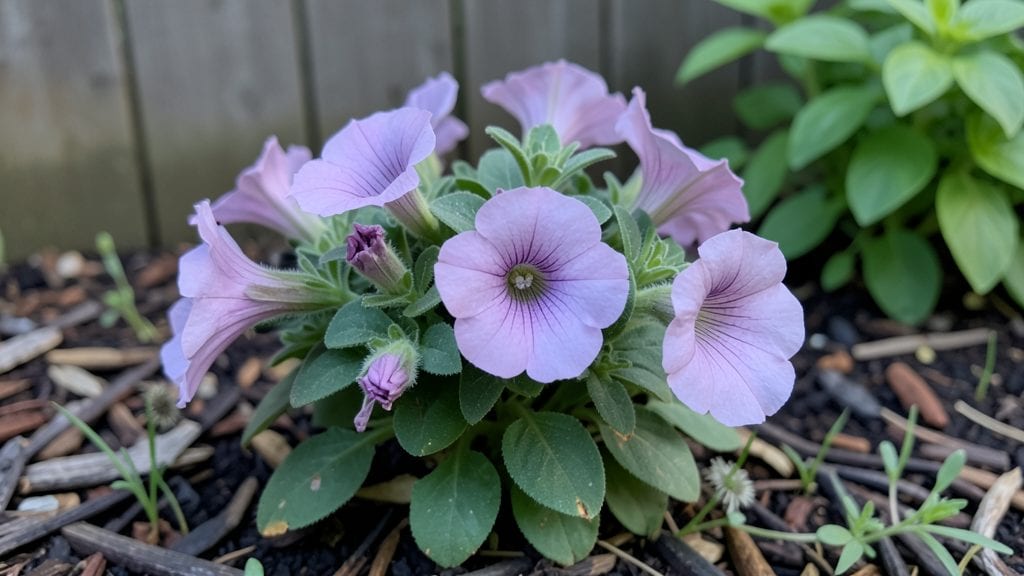
When your Pacific Northwest plants start flowering, it’s nature’s way of saying, "Summer’s here to stay—finally." 🌸 The chilly mornings and damp air might fool you, but these cold-hardy bloomers know exactly when to burst into color, often triggered by the longer daylight of late spring or early summer.
My hummingbird sage, for instance, waits until soil temperatures hit 55°F before it sends up those iconic purple spikes—right when the hummingbirds return from their Mexican migration.
The secret to encouraging this bloom magic lies in three things: light, temperature, and patient care. Too much shade or a sudden cold snap can delay flowering, while consistent moisture and a light fertilizer boost (like a 10-10-10 mix) tells the plant, "Keep going!"
Pruning spent blooms isn’t just about looks—it redirects energy to new growth, ensuring your plants keep flowering well into fall, when PNW gardens are at their most vibrant.
What you’ll notice first is the scent—sweet, heady, and impossible to ignore—followed by the hum of wings as hummingbirds zero in on your garden. Those tiny flowers might seem delicate, but they’re built to thrive in our climate, often lasting weeks longer than their southern cousins.
The key is to step back and let them do their thing; over-tinkering with fertilizers or pruning can send them into shock.
Once the blooms arrive, the real work begins: protecting them from late frosts, keeping pests like aphids at bay, and maybe even saving seeds for next year. The PNW’s unpredictable weather means you’ll need to stay flexible, but the payoff—a garden that hummingbirds can’t resist—is worth every bit of effort.
📚 In This Guide
- What you need
- Instructions
- Tips and common mistakes
- Wrapping up and next steps
What you need
- ● Cold-hardy flowering plants (Zones 5-8): 5–10 Penstemon (Beardtongue) – Choose varieties like Penstemon barbatus (Rocky Mountain Beardtongue) or Penstemon spectabilis (Showy Penstemon).
- ● 3–5 Symphoricarpos albus (Snowberry) – Drought-tolerant and hummingbird magnets.
- ● 2–4 Ceanothus (California Lilac) – Opt for Ceanothus 'Concha' or 'Yankee Doodle' for vibrant blooms.
- ● 1–2 Spiraea douglasii (Douglas Spirea) – Hardy and late-season bloomer.
- ● Soil amendments: 5 lbs compost or well-rotted manure per planting hole.
- ● 1 cup perlite or pumice (for drainage, especially in clay-heavy PNW soil).
- ● Fertilizer: 1 lb slow-release, organic fertilizer (e.g., 5-5-5 or 3-4-6 blend).
- ● Mulch: 2–3 inches wood chips or straw mulch (to retain moisture and insulate roots).
- ● Watering tools: Garden hose with adjustable nozzle (for gentle watering).
- ○ Drip irrigation kit (optional but ideal for consistent moisture).
- ● Hand tools: Trowel or hand shovel.
- ● Pruning shears (for shaping and deadheading).
- ● Garden gloves (to protect from thorns or rough stems).
- ○ Safety gear (optional but recommended): Knee pads (for comfort during planting).
- ● Sunscreen and hat (PNW weather can be unpredictable!).
- ● Prerequisites: Sunny to partially shaded planting site (6+ hours of sunlight for most hummingbird favorites).
- ● Well-draining soil (amend if heavy clay is present).
- ● Local nursery or online supplier for native PNW plants (avoid invasive species!).
- ● Hummingbird feeder (1–2 red, nectar-filled feeders) for extra attraction.
- ● Native wildflower seed mix (for pollinator diversity).
- ● Birdbath or shallow water source (hummingbirds love to bathe!).
- ● Trellis or arbor (for climbing plants like Clematis or Honeysuckle).
How to encourage cold-hardy plants to flower in the Pacific Northwest
Here's the method I've used for years to coax vibrant blooms from tough PNW plants—even in chilly seasons.
🌱 Step 1: Select the Right Cold-Hardy Varieties
Choose plants proven to thrive in the Pacific Northwest's USDA Zones 7-9 and 35-55°F average winter lows. Hummingbird favorites like coral bells (Heuchera), columbine (Aquilegia), and penstemon handle cool nights beautifully. I always pick varieties labeled "cold-hardy" or "early bloomer"—they're bred to push through spring's slow start.
Check your specific microclimate. Coastal areas stay milder, while inland spots near 40°F nights need extra protection. If you're unsure, ask your local nursery for Pacific Northwest-specific recommendations—what works in California won't survive a Seattle spring.
☀️ Step 2: Position for Maximum Sunlight
Most flowering plants need 6+ hours of direct sun to trigger blooming. In the PNW, this means south-facing locations with unobstructed exposure. I've seen too many gardeners place plants where they get 4 hours of weak morning sun—that's not enough to set flower buds.
If your yard lacks full sun, opt for shade-tolerant bloomers like bleeding heart (Dicentra) or lungwort (Pulmonaria). These still attract hummingbirds and flower reliably in partial shade (3-6 hours of light)>. Watch for leaf color changes—healthy foliage stays vibrant, while stressed leaves yellow or brown at the edges.
💧 Step 3: Water Deeply but Strategically
Overwatering in cool climates leads to root rot, while underwatering stresses plants into dormancy. I water deeply once weekly during spring's slow start, aiming for 1-2 inches of water per week. The key is consistency—let the top 2 inches of soil dry between waterings, then soak thoroughly until water runs out the drainage holes.
Mulch heavily with 3-4 inches of wood chips or straw to insulate roots. This keeps soil temperatures stable and retains moisture. I always check soil moisture by squeezing a handful—if it crumbles easily, it's dry enough to water. If it sticks together, wait another day.
✂️ Step 4: Prune for New Growth
Deadhead faded blooms immediately to encourage continuous flowering. I snip spent flowers with clean pruners, cutting just above the next set of leaves. This redirects the plant's energy from seed production to growing new buds. For woody plants like currants or gooseberries, prune in early spring to open the center and improve air circulation.
Watch for new growth shoots—these are your plant's signal that it's ready to bloom. If you see pale green buds forming along stems, increase water slightly (but don't overdo it). The first flush of flowers often appears 6-8 weeks after pruning, so be patient.
🌿 Step 5: Feed for Vigorous Blooms
Apply a balanced 10-10-10 fertilizer in early spring when new growth appears, then again 6 weeks later. I use ½ teaspoon per square foot to avoid burning tender roots. For organic gardeners, fish emulsion or compost tea works wonders—just follow package rates.
Stop fertilizing by mid-summer to let plants prepare for winter. You'll see the difference in larger, more abundant blooms compared to underfed plants. The key is timing—feed when plants are actively growing, not when they're dormant.
Tips & tricks for perfect Pacific Northwest blooms
Here's what I've learned after years of coaxing flowers from cool-climate plants—these little tweaks make all the difference.
Microclimate Matters: The 40°F nighttime lows mentioned for inland areas mean you'll need extra protection for tender bloomers. I've found that wrapping young plants in frost cloth during late spring chills (when temps dip below 45°F) gives them the confidence to push through. For coastal gardeners, don't assume milder nights mean less care—some varieties still need shelter from coastal fog that lingers past dawn.
Sunlight Secret: That 6+ hours of direct sun is non-negotiable for most bloomers, but here's the thing: morning sun is gentler than afternoon heat in our climate. Position plants to catch those warm morning rays first, then provide afternoon shade if leaves start curling. I've seen columbine thrive with 5 hours of morning sun plus 1 hour of afternoon shade—something the instructions don't mention but makes a huge difference.
Watering Wisdom: The once-weekly deep watering works, but timing is everything. Water in the early morning when temperatures are coolest—this prevents evaporation and gives roots time to absorb moisture before afternoon heat. I've noticed plants watered at noon often develop fungal issues from sitting wet too long. And that 2-inch soil dry test? Use a soil moisture meter for accuracy—your fingers can be misleading, especially in dense clay soils common in the PNW.
Fertilizer Timing: That 6-week interval between feedings might feel long, but it's perfect for our climate. I've found adding a slow-release fertilizer like Osmocote at planting time eliminates the need for mid-season feeding entirely. The granules release nutrients gradually, matching the plants' natural growth cycle. Just follow the package rates—over-fertilizing in cool weather leads to leafy growth at the expense of flowers.
Pro Tips for Starting To Flower
- Here's what I've learned after years of coaxing flowers from cool-climate plants—these little tweaks make all the difference.
- Microclimate Matters: The 40°F nighttime lows mentioned for inland areas mean you'll need extra protection for tender bloomers.
- Sunlight Secret: That 6+ hours of direct sun is non-negotiable for most bloomers, but here's the thing: morning sun is gentler than afternoon heat in our climate.
Frequently asked questions
Got questions about starting your hummingbird haven in the Pacific Northwest?
Here are answers to the most common ones—because every gardener deserves a little clarity before diving in!
When is the best time to start planting flowers to attract hummingbirds?
For the Pacific Northwest’s mild, wet climate, spring (March–April) is ideal—just as the frost lifts and hummingbirds begin migrating through. If you’re in a cooler microclimate (like the Cascades), wait until late April or May to avoid frost damage. Hardy natives like Penstemon or Sage thrive when planted early!
How long does it take for flowers to "start flowering" after planting?
Timing varies! Fast bloomers like Salvia or Bee Balm may flower in 6–8 weeks, while perennials like Columbine take 2–3 months to establish. Cold-hardy PNW plants often bloom earlier than their southern counterparts—patience pays off with nonstop nectar by summer!
What if my flowers aren’t blooming? Troubleshooting tips for PNW gardens.
Check these first:
- Light: Hummingbirds love full sun (6+ hours). If your garden is shady, try fuchsia or Lobelia, which tolerate partial shade.
- Water: Over/under-watering stresses plants. Drought-tolerant natives (like Yarrow) need less fuss.
- Soil: PNW’s acidic soil? Amend with compost or lime (sparingly) for blooms.
- Deadheading: Snip spent flowers to encourage more blooms!
Are there low-maintenance flowers that still attract hummingbirds?
Try these PNW-proven easy-care picks:
- Red Columbine (Aquilegia formosa) – Thrives in partial shade, drought-resistant once established.
- Oregon Grape (Mahonia aquifolium) – Evergreen, deer-resistant, and early-season nectar.
- Harebell (Campanula rotundifolia) – Self-seeding, loves moist soil.
Will hummingbirds visit if I only plant one type of flower?
While hummingbirds love variety, a single high-nectar plant (like Cardinal Flower) can attract them—especially if it’s bright red/orange. For long-term visits, mix early, mid-, and late-season bloomers (e.g., Penstemon + Bee Balm + Joe Pye Weed) to keep them fed all summer!
Wrapping up and next steps
Watching your hummingbird haven start to flower in the Pacific Northwest’s chilly climate is a reward worth celebrating! 🌸 With the right cold-hardy plants, a little patience, and a dash of care, you’ve created a vibrant oasis that attracts these tiny, energetic birds year after year.
Now that you’re armed with the knowledge to nurture your garden, it’s time to step outside, roll up your sleeves, and enjoy the process—whether that means admiring the first blooms, tweaking your setup, or simply savoring the buzz of life in your yard.
Your next step? Observe, adapt, and expand! Keep track of which flowers thrive, which hummingbirds visit, and how your garden evolves. Share your progress with fellow gardeners or even local PNW plant communities—you might inspire others to cultivate their own hummingbird havens. Happy gardening! 🌿✨