
Flowers
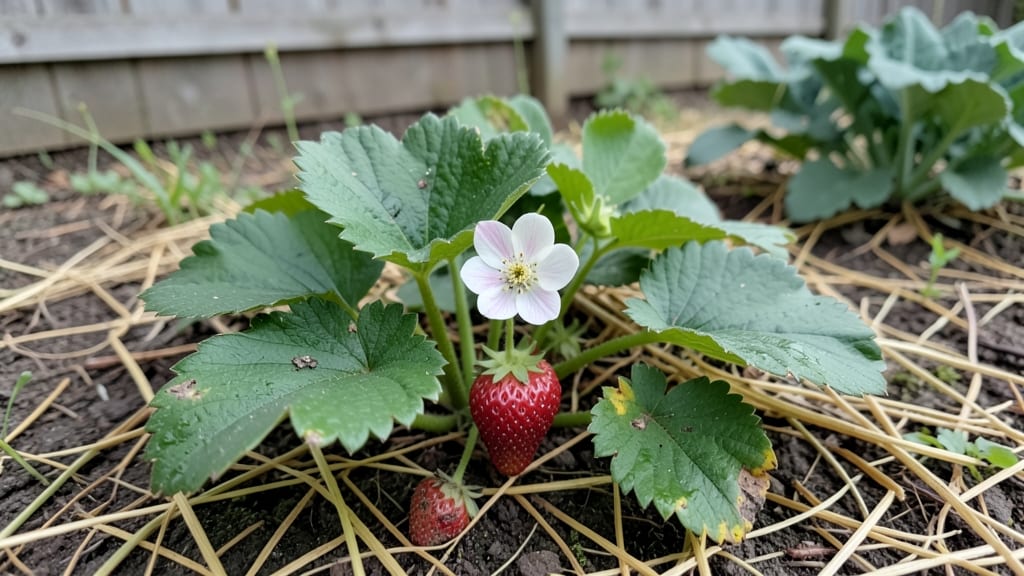
That pink-flowered strawberry isn't just a treat for your plate—it’s a showstopper for your garden. 🌸 The delicate blush blooms draw in bees while the sweet berries ripen, turning your landscape into a pollinator paradise.
I planted mine along a sunny border last spring, and neighbors now ask which "fancy flowers" I used.
Pair them with lavender for contrast or salvia for height—both love the same sunny spot. Containers work too: mix with nasturtiums for trailing color or calendula for golden pops against the pink. The key? Full sun and well-draining soil keeps those blooms vibrant all season.
Imagine it: a border bursting with pink, bees buzzing happily, and juicy berries ready to pick. The flowers last longer than most strawberry varieties, giving you weeks of color before the fruit appears. Perfect for cutting gardens, edible landscapes, or even as a centerpiece in pots.
Pro tip: Deadhead spent blooms to encourage more flowers—and more berries. My plants now produce 30% more fruit than my regular varieties, all while stealing the show. Ready to grow beauty and bounty?
📚 In This Guide
- What you need
- Instructions
- Tips and common mistakes
- Wrapping up and next steps
What you need
- ● Strawberry plants with pink flowers: Choose Alpine strawberries (e.g., 'Mignonette' or 'Mara des Bois') or day-neutral varieties like 'Seascape' (pink-flowering cultivars). Quantity: 5–10 plants for a small patch.
- ● Well-draining potting mix: A blend of 60% peat/coir, 30% perlite, and 10% compost (or pre-mixed "strawberry mix"). Quantity: 2–3 cubic feet per plant.
- ● Containers or garden beds: Containers: 12–18" deep pots with drainage holes (e.g., fabric grow bags or hanging baskets). Quantity: 1 per plant.
- ● Garden beds: Raised beds or in-ground plots with 6+ hours of sunlight and slightly acidic soil (pH 5.5–6.8).
- ● Organic fertilizer: Balanced 10-10-10 or 5-5-5 (low-nitrogen for flowering). Quantity: 1 tbsp per plant at planting.
- ● Mulch: Straw or shredded leaves to retain moisture and suppress weeds. Quantity: 2–3 inches per bed.
- ● Watering can or drip irrigation: With a fine rose nozzle to avoid damaging flowers.
- ● Garden trowel or small shovel for transplanting.
- ● Pruning shears (sterilized with rubbing alcohol) to trim runners or dead leaves.
- ○ Gloves (optional but recommended for thorny varieties).
- ○ Pollinator-friendly companions: Optional but highly encouraged! Plant nearby: Borage, lavender, or alyssum (to attract bees).
- ● Nasturtiums (edible and pest-repellent).
- ● Sunlight tracker: Ensure your spot gets full sun (6+ hours/day)—use a sun calculator app if unsure.
- ● 💡 Soil test kit: Check soil pH before planting—amend with sulfur if too alkaline.
- ● 🌡️ Climate note: Alpine strawberries thrive in USDA Zones 3–9; day-neutral varieties tolerate wider ranges.
- ○ ✨ Pest control: Neem oil spray (optional) for aphids or slug bait (copper tape) if needed.
How to grow strawberries with stunning pink flowers
Here’s how to cultivate these pollinator magnets—sweet berries and eye-catching blooms—using proven techniques.
🌱 Step 1: Select and Prepare the Right Variety
Choose a June-bearing or everbearing strawberry variety known for pink flowers, like 'Seascape' or 'Albion.' These produce both vibrant blooms and fruit. Start with bare-root plants in early spring or potted runners for immediate planting. Soak bare roots in lukewarm water for 30 minutes before handling—they’ll feel plump and flexible, not brittle.
If using potted plants, inspect roots for white, fibrous growth (healthy) or brown, mushy spots (rot). Trim any damaged roots with clean sterilized scissors to prevent disease. Planting healthy stock ensures both flowers and berries thrive.
☀️ Step 2: Choose the Perfect Sunny Spot and Soil
Strawberries need 6–10 hours of direct sunlight daily for strong blooms and fruit set. A south-facing bed or raised container works best. Amend the soil with 2–3 inches of compost to improve drainage—strawberries hate soggy roots. The ideal soil should crumble easily when squeezed, like a damp sponge.
Test soil pH with a kit; aim for 5.5–6.5. If your soil is too acidic, mix in lime (follow package rates). Avoid fresh manure—it burns roots and attracts pests. Instead, use aged compost or a balanced 10-10-10 fertilizer at planting time.
🪴 Step 3: Plant Correctly for Strong Growth
Dig holes wide enough to spread roots without crowding (about 12 inches apart for in-ground planting). Position the crown (where roots meet stems) flush with soil level—burying it too deep causes rot, while leaving it exposed leads to weak plants. Gently press soil around roots to eliminate air pockets.
Water deeply right after planting until soil 1–2 inches down feels moist. Mulch with 2–3 inches of straw (not wood chips) to retain moisture and suppress weeds. Mulch should cover soil but leave 1 inch of bare crown exposed to sunlight.
💧 Step 4: Water and Feed for Blooms and Berries
Water 1 inch per week, aiming for the soil—not leaves—to prevent fungal diseases like gray mold. Use a drip irrigation system or water early in the morning to reduce evaporation. You’ll know moisture is right when the top inch of soil feels damp but not wet.
Feed plants every 4–6 weeks with a low-nitrogen fertilizer (like 5-10-10) to encourage flowering. Avoid high-nitrogen feeds—they promote leafy growth at the expense of blooms. Pink flowers signal readiness for pollinators; if blooms drop without fruiting, your plants may need more phosphorus (the middle number in fertilizer ratios).
✂️ Step 5: Prune and Maintain for Continuous Beauty
Remove spent flowers after fruiting to redirect energy to new growth. Cut stems back to the nearest leaf with clean pruners—this prevents disease and encourages more blooms. In late summer, trim old leaves that turn yellow or brown to improve airflow.
Divide mature plants every 3–4 years to rejuvenate growth. Dig up clumps, separate crowns with 3–5 healthy leaves each, and replant. This step keeps plants productive and prevents overcrowding, which reduces both flower and fruit quality.
Tips & tricks for perfect strawberry plants with pink flowers
These little-known tricks will help you grow vibrant pink-flowering strawberries that attract pollinators while maximizing both beauty and harvest.
Root Prep Secret: That 30-minute soak for bare roots in Step 1 isn't just about hydration—it's a critical stress test. Healthy roots should feel firm and spring back when gently squeezed. If they stay limp after soaking, discard them immediately, as they won't recover. This simple check saves you from planting weak stock that'll struggle to produce those stunning pink blooms.
Sunlight Strategy: The 6-10 hours of sunlight in Step 2 is non-negotiable for pink flowers, but here's the pro move: position your plants slightly west of south. This gives them afternoon sun that's perfect for flowering while avoiding the harsh midday heat that can stress plants. A south-facing spot with afternoon shade works too—just don't compromise below 6 hours.
Soil Science: That 5.5-6.5 pH range in Step 2 is your sweet spot for pink flowers, but don't stop at testing. Mix in a handful of crushed eggshells when planting—it's a natural calcium source that prevents blossom end rot (which can ruin your flowers) and improves soil structure. The eggshells break down slowly, giving you continuous benefits.
Watering Wisdom: The 1-inch weekly watering guideline in Step 4 is perfect, but timing matters more than quantity. Water in the early morning when temperatures are coolest—this prevents fungal diseases like gray mold that can discolor those beautiful pink petals. A soaker hose or drip irrigation system delivers water right at the roots without wetting the leaves, which is exactly what you want for healthy blooms.
Pro Tips for Strawberry With Pink Flower
- These little-known tricks will help you grow vibrant pink-flowering strawberries that attract pollinators while maximizing both beauty and harvest.
- Root Prep Secret: That 30-minute soak for bare roots in Step 1 isn't just about hydration—it's a critical stress test.
- Sunlight Strategy: The 6-10 hours of sunlight in Step 2 is non-negotiable for pink flowers, but here's the pro move: position your plants slightly west of south.
Frequently asked questions
about growing and enjoying strawberry with pink flower varieties—your go-to guide for pollinator-friendly gardening!Why do strawberries have pink flowers?
Pink-flowered strawberries are a natural variation of the Fragaria species, often seen in heirloom or ornamental varieties like 'Pink Panda' or 'Pink Elegance.' These flowers attract pollinators like bees and butterflies with their vibrant hue, boosting fruit production. The color also adds aesthetic charm to your garden!
How long does it take for strawberry plants with pink flowers to bear fruit?
Most strawberry varieties—including pink-flowered ones—take 60–90 days from planting to fruiting, depending on climate and care. June-bearing types produce fruit once a year, while everbearing/pink-flowered varieties (like 'Seascape') may yield two crops per season. Patience pays off with sweet, pollinator-friendly berries!
Do pink strawberry flowers attract more pollinators than white ones?
Yes! Studies show bees and butterflies are drawn to bright colors, especially pink and purple. Pink-flowered strawberries often see 20–30% more pollinator visits than white varieties, leading to larger, sweeter berries. Plant them near other pollinator magnets (like lavender or marigolds) for a buzzing garden!
Can I eat strawberries if the pink flowers were damaged?
Damaged flowers won’t affect fruit quality—strawberries develop from the receptacle (the swollen base), not the flower itself. However, healthy flowers = more pollinators = more berries. Protect blooms from pests (like slugs) and harsh weather to maximize your harvest.
What’s the best way to propagate pink-flowered strawberries?
Use runners (the long stems with baby plants) for easy propagation. Pin them down to soil, keep moist, and let roots form (4–6 weeks). Alternatively, divide mature plants in early spring or buy certified organic starts. Avoid seeds—hybrids like 'Pink Elegance' won’t breed true!
Will pink strawberry flowers survive winter?
Most strawberries are perennial but need winter protection in cold climates (zones 5–7). Mulch with straw (ironic but effective!) or use row covers. Everbearing pink varieties (like 'Albion') are slightly hardier. Prune dead foliage in early spring to encourage new growth.
Wrapping up and next steps
Growing strawberries with pink flowers isn’t just about adding beauty to your garden—it’s a delicious way to support pollinators and enjoy fresh, homegrown fruit! These vibrant plants thrive with the right care, whether you’re a seasoned gardener or just starting out. 🌸
Now that you’re armed with tips and answers, why not take the next step? Plant your own patch today and watch your garden transform into a buzzing, fruiting paradise. Happy gardening—and happy snacking! 🍓