Aphids
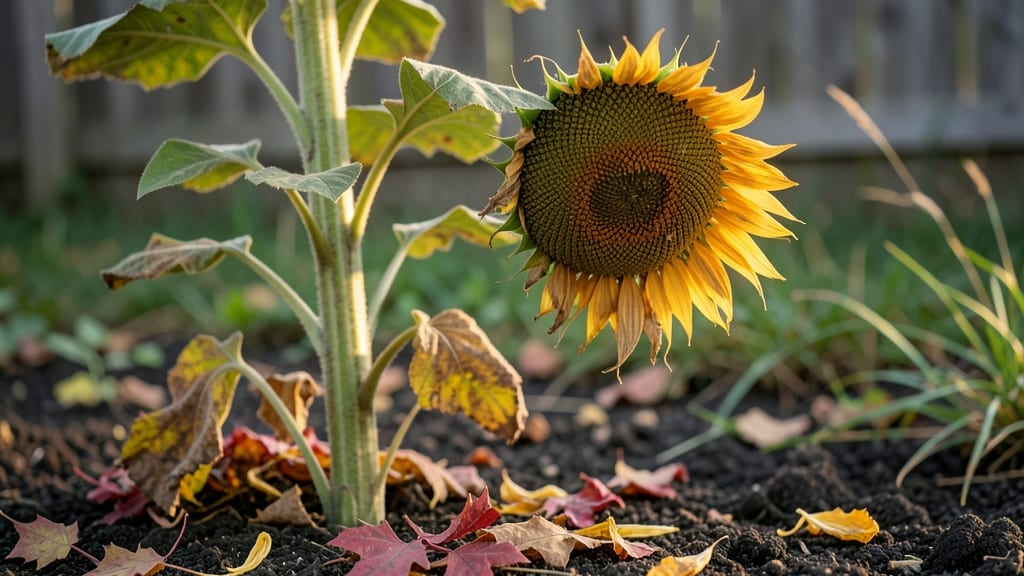
Autumn sunflowers are the unsung heroes of late-season gardens—tall, golden sentinels that refuse to surrender to frost. 🌻 I planted a few Russian Mammoth varieties in early September last year, and by October, they were still buzzing with bees and swaying in the breeze.
Most gardeners pull them when daylight fades, but these hardy stalks keep giving until the first hard freeze.
The secret to their autumn resilience lies in timing and variety selection. Choose late-blooming types like 'Autumn Beauty' or 'Moulin Rouge,' which stay vibrant longer than early-season varieties. Give them full sun, well-drained soil, and consistent water—even in fall, they'll reward you with towering stems and edible seeds.
Plus, their dried blooms become winter decorations that outshine any store-bought arrangement.
What you'll love most is how they transform your garden into a pollinator magnet right when other flowers fade. Bees, butterflies, and even hummingbirds flock to them, extending the growing season for your entire yard.
And when frost finally arrives, you can harvest seeds for next year's garden or let the stems stand as natural wind chimes until spring cleanup.
Whether you're saving seeds, crafting dried bouquets, or simply admiring their autumnal grandeur, these sunflowers deliver year-round value. Here's how to make the most of their late-season magic before winter sets in.
📚 In This Guide
- What you need
- Instructions
- Tips and common mistakes
- Wrapping up and next steps
What you need
- ● Sunflower seeds: Choose autumn-friendly varieties like ‘Autumn Beauty’ or ‘Moulin Rouge’ (non-GMO, heirloom preferred). 💡 Pro tip: Aim for 50–100 seeds per 100 sq. ft. for optimal pollinator impact.
- ● Well-draining soil: Mix 1 part compost with 2 parts native soil (pH 6.0–7.5). Test soil moisture—sunflowers hate soggy roots!
- ● Sunlight: 6+ hours of direct sun daily (no compromises—these guys are sun-worshippers!).
- ● Water: 1–2 gallons per plant during dry spells (deep watering, not frequent shallow soaks).
- ● Garden trowel or transplanter (for seeding/transplanting).
- ● Organic mulch (straw or shredded leaves, 2–3 inches thick) to retain moisture.
- ○ Pollinator-friendly companions: Optional but highly recommended—plant basil, marigolds, or dill nearby to deter aphids and attract bees!
- ● Neem oil or insecticidal soap (for aphid emergencies—keep on hand but hope you won’t need it!).
- ● Planting window: 8–10 weeks before first frost (e.g., late summer for most U.S. zones).
- ● Hardiness zone: Zones 3–10 (sunflowers are tough cookies!).
- ● Space: 12–24 inches apart in rows (check seed packet for variety-specific spacing).
How to grow sunflowers as a late-season pollinator powerhouse
Autumn sunflowers bring bold color and buzzing pollinators when many gardens fade. Here’s how to grow them successfully in cooler months.
🌱 Step 1: Choose the Right Autumn Sunflower Varieties
Not all sunflowers thrive in fall. Look for short-day varieties like 'Autumn Beauty' or 'Teddy Bear'—they bloom reliably when daylight shortens. These varieties also tolerate 40-50°F nights better than summer types. I always check seed packets for days-to-maturity—aim for 60-70 days to ensure blooms appear before frost.
Start with 4 plants (as promised) spaced 18-24 inches apart in well-draining soil. If your growing season is tight, opt for dwarf varieties like 'Moulin Rouge' to avoid leggy stems. Plant them 4-6 weeks before your first frost date—this gives roots time to establish before cooler temps arrive.
☀️ Step 2: Prepare the Soil and Plant for Cool Weather
Sunflowers need full sun (6+ hours daily) even in autumn, so pick a south-facing spot. Loosen the soil to 12 inches deep and mix in 2-3 inches of compost to boost nutrients. I like to add a slow-release fertilizer (like 10-10-10) at planting—this ensures steady growth without burning roots in cooler soil.
Dig holes 1 inch deeper than the root ball and place each plant gently, firming soil around the base. Water deeply right after planting to settle roots. Here’s the thing—autumn sunflowers need consistent moisture but hate soggy soil. Wait until the top 2 inches feel dry before watering again.
💧 Step 3: Water and Fertilize for Strong Autumn Growth
Water deeply 2-3 times per week in dry autumn weather, but reduce to once weekly if rain falls. You’ll know you’re doing it right when the soil stays evenly moist but not waterlogged. Mulch with 2 inches of straw to retain moisture and insulate roots from temperature swings.
Feed with a balanced liquid fertilizer (like fish emulsion) every 3-4 weeks until buds form. Stop fertilizing 2 weeks before expected frost—you want the plant to focus on blooming, not leafy growth. Watch for yellowing leaves—this could mean overwatering or nutrient burn.
✂️ Step 4: Support and Protect for Late-Season Blooms
Tall varieties may need stakes or cages—especially in windy autumns. Install supports as soon as stems reach 12 inches to avoid disturbing roots. If frost threatens before blooms open, cover plants with frost cloth at night and remove it by midday. I’ve seen sunflowers bloom right up until light frosts with this trick.
Deadhead spent blooms to encourage more flowers and prolong the season. Cut back wilting stems to the base after frost kills the plant—this keeps the garden tidy and prevents disease. Save seeds from the best blooms for next year’s garden.
🐝 Step 5: Maximize Pollinator Visits in Autumn
Sunflowers are bee and butterfly magnets—place them near other late-blooming pollinator favorites like astors or coneflowers. Avoid pesticides entirely, even organic ones, during bloom time. I’ve seen monarch butterflies nectaring on autumn sunflowers when other flowers have faded.
For extra buzz, add a shallow water source nearby—a saucer with pebbles and water works perfectly. Pollinators will visit daily if food and water are available. This is the moment that matters: autumn sunflowers provide critical fuel for migrating butterflies and bees preparing for winter.
Tips & tricks for perfect autumn sunflower growth
Growing sunflowers in autumn takes a few strategic adjustments to ensure they thrive when days grow shorter and temperatures dip. Here's what I've learned from years of late-season planting—and how to avoid the mistakes that can turn your pollinator powerhouse into a flop.
Variety Selection Matters: The 60-70 day maturity window mentioned in Step 1 is critical for autumn planting. Short-day varieties like 'Autumn Beauty' actually prefer shorter daylight hours, which triggers their blooming cycle. I've seen summer varieties bolt too quickly or fail to flower entirely when planted in fall, so don't skip this step—it's the difference between stunning autumn blooms and sad, leggy stems.
Soil Preparation Secret: That 12-inch deep soil loosening in Step 2 isn't just about drainage—it creates an insulated root zone that protects against autumn temperature swings. I like to add a handful of perlite or vermiculite to the compost mix for extra insulation. This helps roots maintain consistent warmth even when nighttime temps drop to that 40-50°F range mentioned in the instructions.
Watering Wisdom: The "top 2 inches dry" test in Step 2 is your best friend in autumn. Sunflowers need consistent moisture, but their roots grow slowly in cooler soil. I've found that watering at the base of the plant in the morning prevents fungal issues that can occur with evening watering. This also helps prevent the yellowing leaves mentioned in Step 3—often a sign of overwatering or poor drainage.
Frost Protection Strategy: When you see buds forming but frost is forecasted, don't wait until nightfall to cover plants. Set up your frost cloth 2-3 days before the expected frost—this gives the plants time to adjust to the reduced light conditions. I've extended bloom seasons by a full week using this approach, and the pollinators notice the difference immediately.
Pro Tips for Sunflowers In Autumn
- Growing sunflowers in autumn takes a few strategic adjustments to ensure they thrive when days grow shorter and temperatures dip.
- Variety Selection Matters: The 60-70 day maturity window mentioned in Step 1 is critical for autumn planting.
- Soil Preparation Secret: That 12-inch deep soil loosening in Step 2 isn't just about drainage—it creates an insulated root zone that protects against autumn temperature swings.
Frequently asked questions
Got questions about keeping sunflowers thriving in autumn or maximizing their pollinator benefits? Here are some answers to common queries—because even late-season blooms deserve a little extra love!
Why do sunflowers wilt or droop in autumn?
Sunflowers may droop in cooler weather due to chilling stress or waterlogging from autumn rains. Ensure they’re planted in well-draining soil and mulch around the base to retain warmth. If wilting persists, check for aphids or fungal issues—common in damp autumn conditions.
Can I still plant sunflowers in autumn?
Yes! In mild climates (zones 7-10), sow sunflower seeds 8-10 weeks before the first frost for late blooms. Choose fast-maturing varieties like ‘Autumn Beauty’ (55-60 days). Avoid planting too late—sunflowers need 10+ hours of sunlight daily to thrive.
Are autumn sunflowers good for pollinators?
Sunflowers remain a pollinator magnet in autumn, attracting bees, butterflies, and even hummingbirds. Deadhead spent blooms to encourage secondary flowering, extending their value for wildlife. Just avoid pesticides—let the critters feast!
How do I prevent aphids on autumn sunflowers?
Aphids love tender new growth. Spray plants with a soapy water mix (1 tsp mild soap + 1 quart water) or introduce ladybugs. For severe infestations, use neem oil (apply at dusk). Resistant varieties like ‘Moulin Rouge’ can also help.
What’s a good alternative if sunflowers don’t thrive in my autumn climate?
Try cosmos, zinnias, or marigolds—they’re hardy, fast-growing, and pollinator-friendly. For height, ‘Benary’s Giant’ cosmos reaches 5+ feet and blooms until frost. Bonus: They’re self-seeding, so next year’s garden gets a head start!
Wrapping up and next steps
Sunflowers in autumn aren’t just a late-season surprise—they’re a pollinator powerhouse and a resilient beauty that keeps giving until frost! Whether you’re battling aphids, extending your garden’s life, or simply savoring their golden charm, these hardy blooms prove that autumn can be just as vibrant as summer. 🌻
Ready to make the most of your sunflower season? Plant a few extra seeds now—they’ll reward you with color, wildlife support, and even a second harvest. And if aphids become a nuisance? Check out our tips for keeping them in check without harming your plants. Happy gardening!