
Shrubs
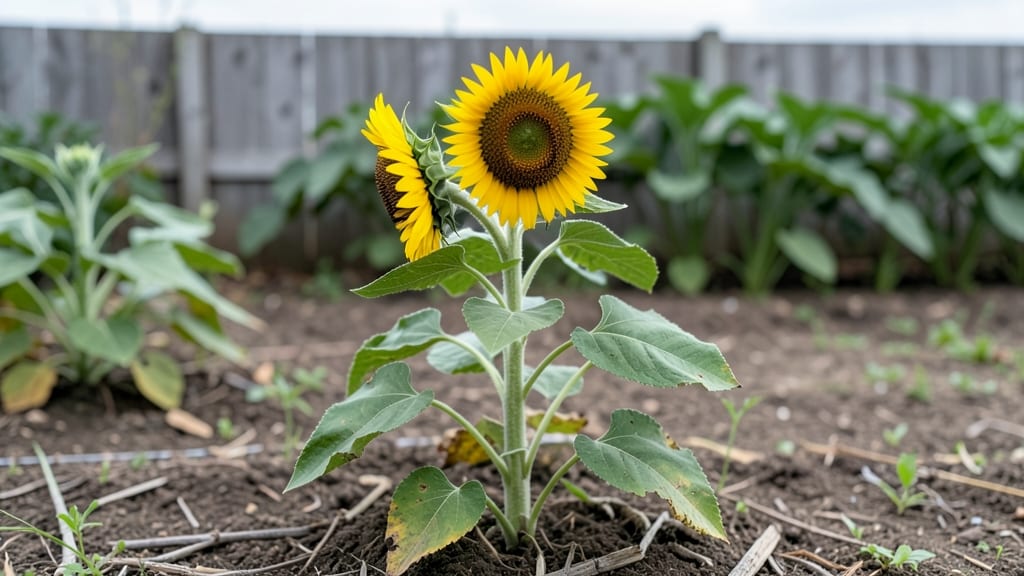
Growing the Sunspot Dwarf Sunflower in the Pacific Northwest means you get bright yellow blooms that hummingbirds adore—without the towering stems that need staking. I planted mine last spring in a small urban yard, and within weeks, they became the star of my pollinator-friendly garden.
These sunflowers thrive where others fail, handling cooler temperatures and shorter growing seasons better than most varieties.
They’re perfect for containers, borders, or even window boxes—mature height stays under 24 inches, so they fit anywhere. The secret to their success? Well-draining soil and morning sun, even if afternoon light is limited.
I use a mix of compost and native soil to keep them happy, and they rarely need extra fertilizer once established. Watering is simple: keep soil moist but never soggy, especially during their first few weeks.
By midsummer, you’ll have cheerful blooms that last for weeks, attracting hummingbirds and bees while adding a pop of color. The compact size means no flopping or flopping stems—just neat, tidy plants that keep blooming until frost.
Once you try them, you’ll wonder why you didn’t plant more sooner. They’re the low-maintenance superstar of small gardens.
Works beautifully in raised beds, hanging baskets, or even as a border—no matter your space, these sunflowers deliver. Let’s get yours planted and watch your garden come alive with pollinators!
📚 In This Guide
- What you need
- Instructions
- Tips and common mistakes
- Wrapping up and next steps
What you need
- ● Seeds: 5–10 Sunspot Dwarf Sunflower seeds (non-GMO, heirloom preferred for best results).
- ● Potting mix: 1–2 bags of high-quality, well-draining seed-starting mix (sterilized to prevent disease).
- ● Containers (for starting indoors): 4–6 biodegradable peat pots (2–3 inches deep) or
- ● 1 seedling tray with individual cells (1.5–2 inches deep).
- ● Outdoor planting: Well-draining garden soil (amend with compost if clay-heavy).
- ● 1–2 raised beds or garden plots (12–18 inches deep, 3–4 feet wide).
- ● Fertilizer: Balanced 5-10-5 or 10-10-10 granular fertilizer (1–2 tbsp per plant at planting).
- ● Watering tools: Watering can or hose with a gentle spray nozzle.
- ○ Drip irrigation kit (optional but helpful for consistent moisture).
- ● Mulch: 1–2 bags of straw or shredded leaves (to retain moisture and suppress weeds).
- ● Basic gardening tools: Hand trowel or transplanting spade.
- ● Garden gloves (to protect from prickly stems).
- ● Sunlight access: Full sun (6+ hours daily) for outdoor planting.
- ● Climate readiness: Frost tolerance (USDA Zones 3–9), but start indoors 6–8 weeks before last frost for early blooms.
- ○ Optional (but helpful): Grow lights (for indoor seed starting in cloudy PNW winters).
- ● Cage or stakes (to support taller varieties if cross-pollination occurs).
- ● Hummingbird-friendly companion plants (e.g., bee balm or columbine).
Step-by-Step instructions for growing Sunspot Dwarf sunflowers
Here’s how to cultivate these hardy, hummingbird-loving sunflowers that thrive even in the Pacific Northwest’s unpredictable climate.
🌱 Step 1: Prepare the Soil and Planting Site
Sunspot Dwarf sunflowers love well-draining soil with a slightly acidic to neutral pH (6.0–7.0). Work in 2–3 inches of compost into the top 6 inches of soil to improve fertility and moisture retention. These sunflowers tolerate cooler temperatures better than most varieties, but they still need full sun—at least 6–8 hours daily. If your garden gets afternoon shade, choose the sunniest spot available.
Loosen the soil to a depth of 12 inches with a garden fork or tiller, breaking up any compacted layers. Avoid working the soil when it’s wet, as this can create clods that hinder root growth. If your soil drains poorly, mix in sand or perlite to improve aeration. The key here is to mimic their natural habitat—open, sunny meadows with loose, fertile soil.
🌱 Step 2: Sow Seeds at the Right Depth and Spacing
Plant seeds ½ inch deep and 12–18 inches apart in rows spaced 18–24 inches apart to allow for airflow and reduce disease risk. Sunspot Dwarf sunflowers grow 3–4 feet tall but stay compact, so they don’t need wide spacing like giant varieties. If you’re planting in a container, use a 5-gallon pot for each plant, ensuring it has drainage holes.
Water the soil thoroughly before sowing to help seeds settle at the correct depth. After planting, gently press the soil around each seed to ensure good contact, but avoid compacting it. In cooler climates like the Pacific Northwest, you can start seeds indoors 4–6 weeks before the last frost date or direct-sow after the soil warms to 50°F. If frost threatens after germination, cover seedlings with a frost cloth until temperatures stabilize.
☀️ Step 3: Provide Consistent Water and Light
Keep the soil evenly moist but not soggy—Sunspot Dwarf sunflowers are drought-tolerant once established but need regular watering during germination and flowering. Water deeply 1–2 times per week, aiming for 1 inch of water per week, and more during dry spells. Avoid overhead watering to prevent fungal diseases like powdery mildew, which can disfigure leaves and reduce blooms.
These sunflowers thrive in full sun, so ensure they receive at least 6 hours of direct sunlight daily. If grown in partial shade, stems may become leggy, and flower production will decline. In the Pacific Northwest, where cloud cover is common, supplement with a reflective surface (like a white wall or mirror) to bounce extra light onto the plants. You’ll know they’re happy when they grow straight and sturdy, with deep green leaves and multiple buds forming.
✂️ Step 4: Support Growth and Encourage Pollinators
Sunspot Dwarf sunflowers typically don’t need staking, but if your garden experiences strong winds, consider lightly staking taller stems with bamboo stakes or twine to prevent lodging. Prune any dead or diseased foliage immediately to keep the plant healthy. Once flowers begin to open, resist the urge to deadhead—these blooms are a magnet for hummingbirds and bees, which will visit repeatedly throughout the day.
To extend the blooming season, pinch back spent flowers after they’ve had a chance to seed, encouraging the plant to produce more side shoots. This variety is particularly resilient, often reblooming if given consistent care. If you notice leaves yellowing or wilting, check for pests like aphids or spider mites. A strong spray of water or neem oil can help control infestations without harming pollinators.
🌿 Step 5: Harvest and Enjoy the Rewards
Sunspot Dwarf sunflowers produce cheerful yellow blooms that are perfect for cutting or leaving in the garden. Harvest flowers in the morning after dew has dried but before the sun gets too intense. Cut stems at a 45-degree angle just above a leaf node to encourage regrowth. These flowers last 5–7 days in a vase, making them ideal for bouquets.
If you’re growing them for seed, leave a few heads on the plant until they turn brown and dry. Once the back of the head turns yellow, twist the head off and store seeds in a cool, dry place for planting next year. These sunflowers are not only beautiful but also incredibly low-maintenance, making them a fantastic addition to any Pacific Northwest garden—especially for attracting hummingbirds and adding a pop of color to late-summer landscapes.
Tips & tricks for perfect Sunspot Dwarf sunflowers
Growing these charming sunflowers successfully in the Pacific Northwest requires a few key tricks to overcome our region's unique challenges. Here's how to maximize your success with this resilient variety.
Soil Preparation Secret: In Step 1, when amending your soil with 2-3 inches of compost, consider adding a handful of wood ash to raise the pH slightly if your soil tests below 6.0. Sunspot Dwarfs prefer that neutral range, and this simple adjustment prevents potential nutrient deficiencies. Test your soil first—many PNW gardens naturally lean acidic, and these sunflowers are sensitive to overly acidic conditions.
Timing is Everything: The 6-8 hours of daily sunlight mentioned in Step 1 is non-negotiable, but here's the thing: in our cloudy climate, we need to get creative. Install a reflective surface like a white plastic sheet or even a white-painted board on the sunny side of your plants to bounce extra light onto the foliage. This can make a dramatic difference in flower production, especially in late summer when days shorten.
Watering Wisdom: When following the 1-2 times per week watering guideline in Step 3, pay special attention to the "evenly moist but not soggy" instruction. In our region's cooler temperatures, the soil stays moist longer, so you might need to adjust to just 1 deep watering per week once established. Check by sticking your finger 2 inches into the soil—if it's dry, water; if damp, wait. Overwatering is the #1 cause of fungal diseases in these sunflowers.
Pacific Northwest Specific: For Step 2's frost timing, don't be afraid to push those 4-6 weeks before last frost if you're in a cooler microclimate. These sunflowers handle cooler soil temperatures better than most varieties, and starting earlier gives them a head start. If you're in the coastal areas where spring is particularly chilly, consider using a mini greenhouse or cold frame for your indoor starts to accelerate germination.
Pro Tips for Sunspot Dwarf Sunflower
- Growing these charming sunflowers successfully in the Pacific Northwest requires a few key tricks to overcome our region's unique challenges.
- Soil Preparation Secret: In Step 1, when amending your soil with 2-3 inches of compost, consider adding a handful of wood ash to raise the pH slightly if your soil tests below 6.0.
- Timing is Everything: The 6-8 hours of daily sunlight mentioned in Step 1 is non-negotiable, but here's the thing: in our cloudy climate, we need to get creative.
Frequently asked questions
Got questions about growing Sunspot Dwarf Sunflowers in the Pacific Northwest?
You’re not alone! Here are answers to the most common queries to help you cultivate this charming, frost-tolerant beauty with confidence.
How cold can Sunspot Dwarf Sunflowers handle?
These sunflowers are exceptionally hardy—they can survive light frosts down to 15°F (-9°C)! While they’ll tolerate brief freezes, prolonged sub-zero temps may damage foliage. In the PNW’s chilly mornings, mulch around the base to add extra insulation.
How long does it take for Sunspot Dwarf Sunflowers to bloom?
From seed to those iconic golden-yellow blooms, expect 60–75 days under ideal conditions (full sun, well-draining soil). In cooler PNW climates, germination may take 2–3 weeks, so start seeds indoors or sow early outdoors. Patience pays off with hummingbird-friendly flowers by mid-summer!
Can I grow Sunspot Dwarf Sunflowers in containers?
These compact beauties thrive in 5–7 gallon pots with drainage holes. Use a lightweight potting mix and place containers in full sun. Water consistently—containers dry out faster than garden beds—and fertilize lightly every 4–6 weeks. Perfect for patios or balconies!
Why aren’t my Sunspot Sunflowers attracting hummingbirds?
Hummingbirds love these flowers, but a few tweaks can help: Ensure blooms are open (they close at night), avoid pesticides, and plant near water sources. If flowers wilt quickly, check for underwatering or overcrowding. Pro tip: Deadhead spent blooms to encourage more flowers!
Do Sunspot Dwarf Sunflowers spread or self-seed aggressively?
Not typically! These sunflowers are non-invasive and won’t take over your garden. They may drop a few seeds, but they’re not prolific self-seeders like some annuals. To control any stray seedlings, simply pull them early in the season. Easy cleanup for a low-maintenance star!
Wrapping up and next steps
The Sunspot Dwarf Sunflower isn’t just a hardy, frost-resistant beauty—it’s a hummingbird magnet and a low-maintenance gem for Pacific Northwest gardens! 🌿 With its vibrant blooms and easy-care nature, it’s the perfect choice for gardeners who want impact without the fuss.
Whether you’re a beginner or a seasoned green thumb, this sunflower delivers joy with minimal effort.
Ready to transform your space? Grab your seeds, pick a sunny spot, and let the Sunspot Dwarf Sunflower work its magic. Plant one today—your garden (and hummingbirds!) will thank you. 🐦➡️🌻