
Planting
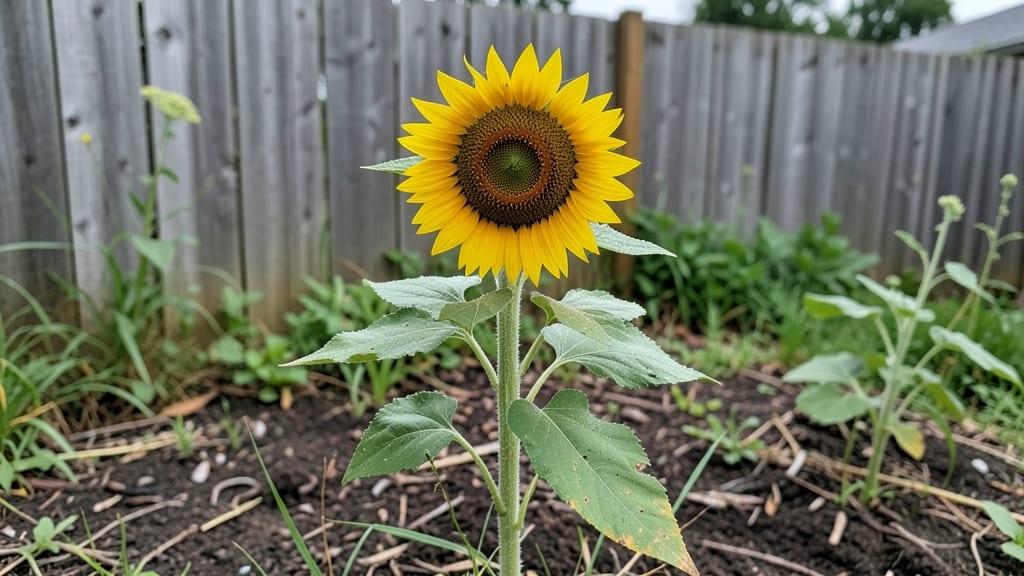
Growing wild sunflowers in the Pacific Northwest means embracing towering beauty that thrives where others fail. 🌻 These hardy giants shrug off frost, drought, and even poor soil—perfect for gardeners who love low-maintenance, high-impact plants.
My first wild sunflower patch took over a neglected corner last summer, reaching 10 feet tall by August with almost no effort.
The secret lies in their adaptability: they tolerate full sun to partial shade, grow in sandy or rocky soil, and need minimal water once established. You can start from seeds in early spring or transplant mature cuttings—both methods work reliably here.
Just scatter seeds lightly and let nature handle the rest; they self-sow aggressively, creating a pollinator paradise year after year.
What you’ll end up with is a golden sea of blooms that hum with bees and butterflies from July through frost. The foliage stays lush even in dry spells, and the seeds attract birds by fall.
These aren’t just pretty faces—they’re the backbone of a resilient, wildlife-friendly garden that thrives on neglect.
Whether you’re reclaiming a wild corner, lining a fence, or adding height to a pollinator garden, wild sunflowers deliver effortless drama. They even handle coastal winds better than many cultivated varieties. Let’s get yours growing—no green thumb required!
📚 In This Guide
- What you need
- Instructions
- Tips and common mistakes
- Wrapping up and next steps
What you need
- ● Wild sunflower seeds – Helianthus annuus (choose a frost-resistant variety like ‘Lemon Queen’ or ‘Autumn Beauty’). Quantity: 10–20 seeds (or a small packet for direct sowing).
- ● Well-draining soil – A mix of 60% native soil, 30% compost, and 10% perlite/sand (for rocky PNW regions). pH: 6.0–7.5 (neutral to slightly acidic).
- ● Organic fertilizer – 5-10-10 or compost tea (for nutrient boost). Application: 1 tbsp per plant at planting time.
- ● Watering can or hose – With a gentle spray nozzle (to avoid disturbing seeds).
- ● Garden trowel – For digging holes (3–4 inches deep).
- ● Hand pruners – For trimming dead foliage or harvesting seeds later.
- ● Measuring tape or ruler – To space seeds 12–18 inches apart (they’ll grow tall!).
- ○ Garden gloves – Optional but recommended (sunflower stems can be prickly!).
- ● Mulch (straw or wood chips) – To retain moisture and suppress weeds.
- ● Pest deterrents – Neem oil (for aphids) or row covers (if birds are a problem).
- ● Trellis or stakes – For tall varieties (6+ feet) in windy PNW areas.
- ● Seed-starting trays – If you prefer indoor germination (4–6 weeks before last frost).
How to grow Pacific Northwest wild sunflowers that thrive in frost
These towering beauties are tougher than they look—here’s how to coax their bold presence from seed to sky.
🌱 Step 1: Choose the Right Wild Sunflower Variety for Your Region
Pacific Northwest wild sunflowers thrive best with native or cold-hardy varieties like Helianthus annuus 'Lemon Queen' or Helianthus maximiliani, which handle frost down to 15°F. Avoid hybrid garden sunflowers—they’re often less resilient. I always check the USDA hardiness zone map for my specific area before selecting seeds, since coastal zones (like western Washington) have milder winters than inland areas (like eastern Oregon).
Look for seed packets labeled "wild-type" or "open-pollinated"—these varieties have the genetic diversity to adapt to local conditions. I’ve found that wild sunflowers from local seed banks often outperform commercial varieties in my garden. If you’re unsure, start with a mix of native wildflowers from a reputable supplier like Native American Seed or High Country Gardens.
🌿 Step 2: Plant Seeds in Late Spring After Frost Danger Passes
Wait until after your last frost date—typically mid-May in most of the PNW—to sow seeds directly in the ground. Wild sunflowers despise transplanting, so direct sowing is key. Scatter seeds ½ inch deep in well-draining soil, spacing them 12-18 inches apart to give mature plants room to spread their roots and stems. I like to plant in clusters of 4-6 seeds to create a naturalistic look, then thin to the strongest seedlings once they reach 4 inches tall.
Don’t worry about perfect rows—wild sunflowers thrive in loose, natural groupings. If your soil is heavy clay (common in the PNW), mix in 2-3 inches of compost or sandy loam to improve drainage. Wild sunflowers hate soggy roots, so amending the soil prevents rot before it starts. Water lightly after planting, just enough to settle the soil around the seeds—overwatering at this stage can wash them away.
☀️ Step 3: Provide Full Sun and Minimal Care for Strong Growth
Wild sunflowers need full sun (6-8 hours daily) to reach their towering heights, but they’re surprisingly low-maintenance once established. In the PNW’s cooler summers, they grow slower than southern varieties but still hit 6-10 feet tall with proper care. I’ve seen them thrive in partial shade (4-6 hours of sun), though their blooms will be smaller and less vibrant.
Water once a week during the first growing season, giving 1 inch of water per week—more in extreme heat or drought. After the first year, they’re drought-tolerant and rarely need supplemental water. Mulch around the base with 2-3 inches of straw or wood chips to retain moisture and suppress weeds. Wild sunflowers spread aggressively, so contain them by planting in a large container (2+ feet deep) if you prefer controlled growth.
✂️ Step 4: Deadhead and Harvest Seeds for Next Year’s Plants
To encourage more blooms and prevent self-seeding where you don’t want it, snip off spent flower heads once they turn brown but before they release seeds. This redirects the plant’s energy into producing more flowers. I use clean pruners and cut stems at a 45-degree angle just above a leaf node to promote new growth. Leave a few flower heads uncut if you want to harvest seeds for next year—wild sunflowers readily self-seed in favorable conditions.
To collect seeds, let a few flower heads mature fully, then cut them when they’re dry and papery. Hang them upside down in a paper bag for 1-2 weeks to shake out seeds. Store them in a cool, dry place for up to 2 years. Wild sunflowers often reseed prolifically, so if you don’t want them spreading, cut back stems to 12 inches tall in early fall before seeds mature.
⏰ Step 5: Prepare for Winter and Enjoy Year-Round Interest
Wild sunflowers are frost-resistant but not frost-proof—young plants may need protection if temperatures drop below 20°F. I’ve seen mature plants survive 10°F with no issues, though. In fall, cut back dead foliage but leave 3-4 inches of stem to protect the crown from cold snaps. The dried seed heads add winter interest to the garden and provide food for birds.
Come spring, new shoots emerge from the base, often producing multiple stems from a single root system. This makes wild sunflowers a great perennial in milder PNW climates (zones 5-9). If you’re in a colder zone, treat them as annuals and replant seeds each year. Their deep roots help break up compacted soil, improving your garden’s long-term health.
Tips & tricks for growing Pacific Northwest wild sunflowers
These hardy plants reward patience with dramatic height and resilience—here’s how to maximize their potential without the guesswork.
Variety Selection Wisdom: When choosing between Helianthus annuus 'Lemon Queen' and Helianthus maximiliani, consider your specific microclimate. 'Lemon Queen' handles 15°F well but grows slightly shorter (8-10 feet), while maximiliani can reach 12 feet but may need winter protection below 10°F. I always check local seed bank recommendations—they often carry varieties already adapted to your specific frost patterns.
Timing Secret: The 6-8 hours of full sun requirement is non-negotiable, but timing matters too. Plant seeds when soil temperatures reach 60°F—use a soil thermometer to confirm. In cooler PNW summers, this typically means waiting until late May or early June. If you plant too early, seeds may rot before germinating in cold, wet soil.
Thinning Technique: When thinning seedlings to 12-18 inches apart, don't yank them—use clean pruners to cut at soil level. This prevents disturbing the roots of remaining plants. I like to thin in stages: first when seedlings hit 2 inches, then again at 4 inches to ensure only the strongest plants remain. The extra thinning step gives you more control over spacing and reduces competition.
Winter Protection Strategy: For young plants facing 20°F or lower, create a mini greenhouse effect by placing a 3-foot tall wire cage over plants and filling it with straw mulch. This protects the crown while allowing sunlight. Mature plants handle 10°F just fine, but their stems may flop under heavy snow—tie them to stakes before winter to prevent breakage.
Pro Tips for Wild Sunflower Plant
- These hardy plants reward patience with dramatic height and resilience—here’s how to maximize their potential without the guesswork.
- Variety Selection Wisdom: When choosing between Helianthus annuus 'Lemon Queen' and Helianthus maximiliani, consider your specific microclimate.
- Timing Secret: The 6-8 hours of full sun requirement is non-negotiable, but timing matters too.
Frequently asked questions
Got questions about growing wild sunflowers in the Pacific Northwest? You’re not alone! Here are some of the most common queries—and straightforward answers—to help you cultivate these towering beauties with confidence.
When is the best time to plant wild sunflower seeds?
Wild sunflowers thrive when planted in early spring (March–April) or late summer (August–September). This timing ensures they establish roots before summer heat or winter frost. In the PNW’s mild climate, seeds sown in spring will often bloom by midsummer, while fall plantings may produce smaller but hardy stalks.
How much water do wild sunflowers need?
These drought-tolerant plants prefer moderate watering—about 1 inch per week—especially during their first few weeks. Once established, they’re resilient and can handle dry spells. Overwatering can lead to weak stems, so let the soil dry slightly between waterings. Mulch lightly to retain moisture without smothering the roots.
Are wild sunflowers good for pollinators?
Wild sunflowers are a pollinator magnet, attracting bees, butterflies, and birds. Their bright blooms provide nectar and seeds for wildlife, making them a fantastic addition to native gardens or pollinator-friendly landscapes. Plant them in clusters for maximum impact—bonus points for biodiversity!
Can wild sunflowers survive frost?
Yes! One of their standout traits is frost resistance. Young seedlings may need protection from hard freezes, but mature plants often recover after light frost. In the PNW, they’ll often rebloom after a cold snap. For extra insurance, plant in well-draining soil and avoid soggy conditions, which can stress roots.
What if my sunflowers aren’t growing tall?
Short sunflowers could be due to poor soil, overcrowding, or insufficient sunlight. Ensure they get full sun (6+ hours daily) and space seeds 12–18 inches apart. Amend soil with compost if it’s rocky or clay-heavy. If pests (like aphids) are the culprit, blast them off with water or use neem oil—nature’s gentle remedy!
Can I grow wild sunflowers in containers?
While they prefer open ground, wild sunflowers can thrive in large containers (12+ inches deep) with well-draining soil. Choose dwarf varieties like Helianthus annuus ‘Teddy Bear’ for smaller spaces. Ensure the pot has drainage holes and place it in a sunny spot. Just be prepared to stake taller varieties—they’re top-heavy!
Still stumped? Drop your question in the comments—we’re happy to help your sunflowers reach their full, golden potential!
Wrapping up and next steps
The wild sunflower isn’t just a stunning addition to your Pacific Northwest garden—it’s a hardy, low-maintenance champion that thrives even when frost bites. With its towering presence, vibrant blooms, and resilience, it’s the perfect choice for both beginners and seasoned gardeners alike. 🌻
Ready to bring this frost-resistant beauty into your outdoor space? Start by gathering your materials, choosing the right spot, and planting with confidence. Your garden’s next star is just a seed away!
Pro tip: Share your sunflower journey with fellow gardeners—inspiration spreads like wildflowers! 🌱