
Flowers
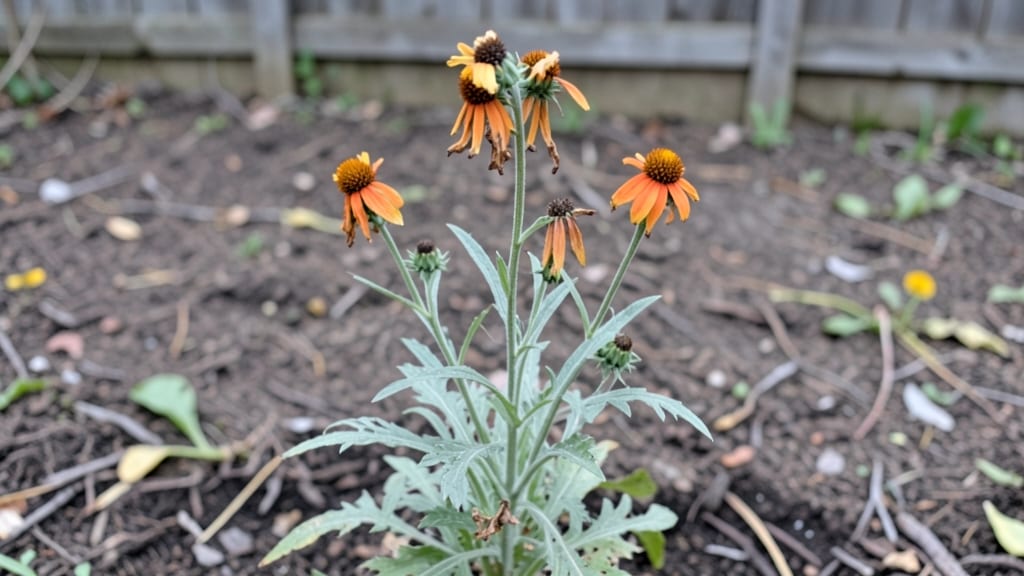
Planting tassel flower seeds unlocks a Pacific Northwest garden showstopper that thrives where others fail. 🌿 These feathery, cloud-like blooms attract hummingbirds like no other plant, and they handle our damp, cool summers better than most annuals.
I’ve grown them in my Zone 7 garden for three seasons now, and they’ve never missed a beat—even when my impatiens gave up by July.
The secret starts with seed selection: look for ‘Pacific Giant’ or ‘Rainbow Mist’ varieties, both proven performers in moist climates. Plant them in well-draining soil mixed with compost after your last frost date—typically mid-April to early May in the PNW.
They’ll need full sun to partial shade (morning sun works best in hotter microclimates), and a spot near a window or feeder will earn you nonstop hummingbird visits by early summer.
Once established, these drought-tolerant beauties need minimal fuss: water deeply once a week unless we’re in a dry spell, and watch for powdery mildew if humidity spikes. The payoff?
Clouds of silvery-white to lavender tassels that sway in the breeze, 6-12 inches tall, perfect for borders, containers, or cutting gardens. They self-seed too, so you’ll get free plants for years.
For best results, deadhead spent blooms to encourage more flowers, and mulch lightly to keep roots cool. If slugs become an issue (they love young seedlings), set out beer traps or handpick them at dusk.
With these simple steps, you’ll have a hummingbird magnet that outshines every other annual in your garden.
📚 In This Guide
- What you need
- Instructions
- Tips and common mistakes
- Wrapping up and next steps
What you need
- ● Tassel flower seeds: 10–20 seeds (or more for larger gardens). Opt for organic, non-GMO seeds for best results.
- ● Well-draining potting mix: 2–3 cubic feet (for seed-starting trays or small pots). Use a blend with perlite or vermiculite for aeration.
- ● Seed-starting trays or small pots: 2–4 inch pots (or a seed tray with individual cells). Ensure they have drainage holes!
- ● Grow lights or sunny windowsill: A full-spectrum LED grow light (12–16 hours/day) or a south-facing window with bright, indirect light.
- ● Misting bottle or spray nozzle: For gentle watering to keep seeds moist.
- ● Gloves: Lightweight gardening gloves to protect your hands while handling soil.
- ● Small hand trowel: For transplanting seedlings.
- ○ Labels and markers: To track planting dates and varieties (optional but helpful!).
- ○ Thermometer (optional): To monitor soil temperature (ideal germination range: 60–70°F).
- ● Sunny garden spot: Full sun to partial shade (6+ hours of sunlight daily). Tassel flowers thrive in dappled light.
- ● Mulch: 1–2 inches of organic mulch (e.g., wood chips or straw) to retain moisture and suppress weeds.
- ● Watering can or hose with a gentle spray nozzle: For deep but infrequent watering once established.
Step-by-Step guide to growing tassel flowers in the Pacific Northwest
Tassel flowers thrive in our region's cool, moist climate—here's how to coax vibrant blooms that hummingbirds can't resist.
🌱 Step 1: Prepare Soil and Plant Seeds Indoors for Early Start
Fill 4-inch pots with a mix of 50% sterile seed-starting mix and 50% perlite to ensure excellent drainage. Tassel flowers despise soggy roots, so this blend prevents rot while holding enough moisture for germination. Moisten the mix until it's damp like a wrung-out sponge, then press it down gently to create a firm planting surface.
Scatter 3-4 seeds per pot at a depth of just ⅛ inch—they need light to germinate properly. Cover lightly with a fine layer of additional mix, then mist the surface with a spray bottle until evenly damp. Place pots in a 70-75°F environment, like on top of a refrigerator, to encourage quick sprouting. You'll see tiny green shoots in 14-21 days, so patience is key here.
☀️ Step 2: Provide Cool, Bright Light and Gradual Hardening
Once seedlings emerge, move them to a south-facing window or under grow lights providing 12-14 hours of light daily. Tassel flowers grow best in cooler temperatures—keep them between 60-65°F during the day and 50-55°F at night. If your home runs warmer, place them on a seedling mat set to 60°F to mimic Pacific Northwest spring conditions.
After 4 weeks and when seedlings have 2-3 sets of true leaves, begin hardening them off. Start with 1 hour daily in a sheltered outdoor spot, gradually increasing to full sun exposure over 2 weeks. Watch for leaves that darken slightly—this means they're adjusting well to outdoor conditions.
🪴 Step 3: Transplant to Garden Beds or Containers
Choose a planting site with partial shade to full sun, as tassel flowers appreciate afternoon shade in hotter summer months. Dig holes twice as wide as the root ball but only as deep—planting too deep can suffocate the delicate roots. Space plants 18-24 inches apart to allow for their airy, tassel-like growth habit.
Mix 1 cup of compost into the planting hole to enrich the soil without overwhelming the roots. Water deeply at planting to settle the soil, then add a 2-inch layer of mulch around each plant to retain moisture and regulate soil temperature. The mulch will also prevent weeds from competing with your tassel flowers for nutrients.
💧 Step 4: Maintain Consistent Moisture and Fertility
Water tassel flowers deeply 1-2 times per week, ensuring the top 2 inches of soil remain moist but not waterlogged. These plants thrive in consistently damp conditions, so check soil moisture by sticking your finger 1 inch deep—if it feels dry, it's time to water. In containers, you may need to water more frequently, especially during our region's dry summer spells.
Feed plants with a balanced liquid fertilizer (10-10-10) every 4-6 weeks during the growing season. You'll notice new growth and stronger stems within 2-3 weeks of applying fertilizer. Stop fertilizing in late summer to encourage blooming rather than leafy growth.
✂️ Step 5: Prune and Prepare for Winter Dormancy
Deadhead spent blooms regularly to encourage continuous flowering throughout the season. Simply pinch off the faded flower heads with your fingers or small pruners—this redirects the plant's energy toward producing more blooms instead of seed pods. Prune back any leggy or overgrown stems by ⅓ of their length to maintain a compact, bushy shape.
In late fall, after the first frost, cut back the foliage to 4-6 inches above the ground. Tassel flowers are cold-hardy, but this pruning helps protect the crown from winter moisture and encourages stronger regrowth in spring. Add a 3-inch layer of straw mulch around the base to insulate the roots during cold snaps.
Tips & tricks for perfect tassel flower growth in the Pacific Northwest
These game-changing tips will help you coax vibrant, hummingbird-loving tassel flowers from seed—even in our famously challenging climate!
Temperature Matters: The 70-75°F germination range is non-negotiable for tassel flowers. I've found that placing pots on top of refrigerators (which maintain ~72°F) works perfectly—just avoid drafty spots near doors or windows. For cooler homes, consider a seedling heat mat set to 70°F to ensure consistent warmth during those critical first 14-21 days.
Lighting Secret: Those 12-14 hours of daily light in Step 2 are essential for preventing leggy seedlings. If your south-facing window isn't sufficient, supplement with a basic LED grow light (even a 6-inch one works). Position it just 6 inches above seedlings and keep it on a timer—this mimics our region's long summer days without overdoing it.
Hardening Hack: The gradual hardening process in Step 2 is where most beginners stumble. Start by placing pots in a sheltered spot where they'll receive morning sun but afternoon shade—this mimics our Pacific Northwest climate perfectly. I like to use a small patio or covered porch area. Watch for leaves that darken slightly when touched—that's your cue they're adjusting well!
Transplanting Wisdom: When transplanting in Step 3, focus on that "twice as wide" hole specification—it's crucial for root establishment. I've found that gently loosening the root ball before planting helps reduce transplant shock. Also, consider adding a handful of worm castings to your compost mix for extra microbial activity that tassel flowers love.
Pro Tips for Tassel Flower Seeds
- These game-changing tips will help you coax vibrant, hummingbird-loving tassel flowers from seed—even in our famously challenging climate!
- Temperature Matters: The 70-75°F germination range is non-negotiable for tassel flowers.
- Lighting Secret: Those 12-14 hours of daily light in Step 2 are essential for preventing leggy seedlings.
Frequently asked questions
Got questions about growing tassel flower seeds? You’re in the right place! Here are answers to the most common queries—from planting tips to troubleshooting—so you can enjoy these hummingbird magnets in your Pacific Northwest garden.
How deep should I plant tassel flower seeds?
Plant seeds about ¼ to ½ inch deep in well-draining soil. Press them lightly into the soil and water gently to keep them moist. Avoid burying them too deep, as they need light to germinate. Pro tip: Use a seed starter mix if your soil feels heavy or compacted!
When is the best time to sow tassel flower seeds?
Sow seeds after the last frost in spring (April–May for the PNW) or start them indoors 6–8 weeks before transplanting. They thrive in full sun and tolerate light frost, but avoid planting when nighttime temps dip below 40°F. For fall blooms, try a late-summer sowing in warmer microclimates.
Why aren’t hummingbirds visiting my tassel flowers?
Hummingbirds love red, tubular blooms, so check for:
- Mature flowers (they may take 60–90 days to bloom from seed).
- Bright red/pink flowers (some varieties have subtle hues—plant a mix!).
- No pesticides (chemicals can repel pollinators).
If blooms are sparse, try hand-pollinating with a soft brush or add a sugar-water feeder nearby to attract them!
Can I grow tassel flowers from cuttings instead of seeds?
While seeds are the easiest method, you can propagate tassel flowers from softwood cuttings in late spring. Take 4–6 inch cuttings, remove lower leaves, dip in rooting hormone, and plant in moist perlite or sand. Keep humidity high (use a plastic bag!) and roots should form in 3–4 weeks. Note: Seed-grown plants often have more vibrant blooms.
Are tassel flowers truly cold-hardy for the PNW?
Yes! These perennials (in zones 3–9) handle light frost and even snow, but young seedlings need protection. Mulch heavily in winter to insulate roots. Established plants bounce back year after year, making them a low-maintenance PNW staple. Bonus: They self-seed, so you’ll get free blooms for decades!
What should I do if my tassel flower seeds rot?
Seed rot usually means too much moisture or poor drainage. Try these fixes:
- Water lightly (keep soil damp, not soggy).
- Use a seed tray with drainage holes or mix sand into soil.
- Warmth helps—place trays on a heat mat (70–75°F ideal).
If rot persists, try fresh seeds or sow in a warmer microclimate (like near a south-facing wall).
Wrapping up and next steps
Growing tassel flower seeds in the Pacific Northwest isn’t just a gardening project—it’s a chance to create a vibrant, hummingbird-friendly haven that thrives in your region’s unique climate. 🌿 With the right soil, timing, and care, you’ll enjoy bursts of color and buzzing visitors for years to come.
Ready to turn your garden into a pollinator paradise?
Your next step? Order your seeds today, mark your calendar for early spring planting, and get ready to watch your garden transform into a lively, cold-hardy oasis. Happy gardening! 🌸