
Planting
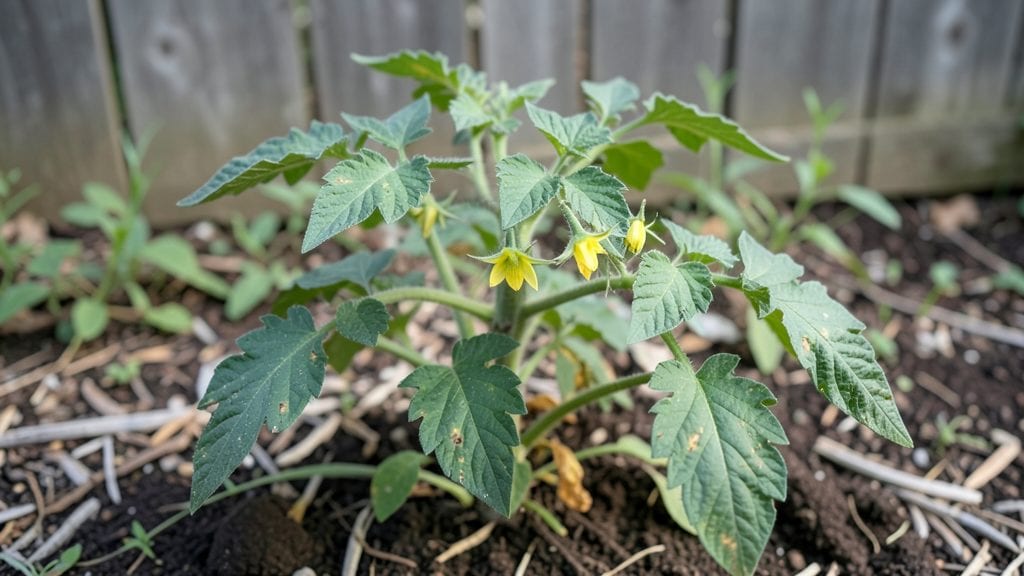
When your tomato plants start flowering, here’s the move that turns a handful of fruits into a bucketful: pruning the right way. 🌱 I’ve watched my first flush of blossoms wilt away because I didn’t know which stems to cut—and then seen the same plants explode with production after a few strategic snips.
The secret isn’t just cutting; it’s redirecting energy where it matters most.
Start by removing any suckers—those little shoots between the main stem and branches—up to 12 inches from the base. These steal nutrients from your future tomatoes. For indeterminate varieties, pinch off flowers on lower branches too, so the plant focuses on growing taller before fruiting.
It’s counterintuitive, but this single step can double your harvest by late summer.
You’ll notice thicker stems, darker green leaves, and—most exciting—heavier clusters of fruit forming higher up the plant. The key is consistency: check for new suckers weekly and prune before they grow more than 2 inches.
By mid-July, your plants will look like they’re wearing a crown of tomatoes instead of just a few sad clusters at the bottom.
This method works for both backyard gardens and container growers, though smaller pots may need extra support as the vines get heavy. The payoff? Tomatoes so abundant, you’ll be sharing jars of sauce with neighbors by September. Let’s get those pruners sharp and those yields soaring.
📚 In This Guide
- What you need
- Instructions
- Tips and common mistakes
- Wrapping up and next steps
What you need
- ● Tomato plant – A healthy, flowering plant (determinate or indeterminate variety).
- ● Pruning shears or sharp scissors – Clean, sterilized tools (alcohol wipe recommended).
- ○ Gloves – Optional but helpful for hygiene and protection.
- ● Garden twine or soft ties – For staking or supporting the plant (if needed).
- ● Stakes or cages – 5-6 ft tall for indeterminate varieties (if not already in place).
- ● Balanced fertilizer – 10-10-10 or tomato-specific formula (follow label instructions).
- ● Watering can or hose with a gentle nozzle – For consistent moisture.
- ● Pruning paste or wound sealant – To prevent disease entry after cuts.
- ● Plant support clips or Velcro ties – Gentler alternatives to twine.
- ● pH test kit – To monitor soil acidity (ideal range: 6.0–6.8).
- ● Mulch (straw or shredded leaves) – To retain moisture and regulate temperature.
- ● Hand lens or magnifying glass – For inspecting buds and flowers closely.
Step-by-step pruning guide for flowering tomato plants
Here’s how to shape your tomato plants for maximum fruit production once those first blossoms appear.
🌿 Step 1: Identify and Remove Suckers Early
Suckers are the small shoots that grow in the crotch between the main stem and a branch. When you see them—usually 3-5 inches tall—they’re competing with your fruit for energy. Pinch them off cleanly with your thumb and forefinger, or use clean pruning shears for thicker stems. I always check the main stem and lower branches first, working upward as I go.
Don’t wait until suckers get woody or start flowering themselves. The earlier you remove them, the more energy your plant directs toward existing fruit. You’ll notice the remaining branches thicken and grow stronger within a week of consistent pruning.
✂️ Step 2: Prune Lower Leaves to Improve Airflow
Once flowers appear, remove any leaves below the first flower cluster. This improves airflow and sunlight penetration, which prevents disease and helps fruit ripen faster. I start by stripping leaves from the bottom 12 inches of the plant, then work upward as the plant grows. Leave only the leaves that are actively photosynthesizing near the top clusters.
Watch for yellowing leaves—these are the first to go. Healthy leaves should be deep green and firm to the touch. If you see white powdery spots (early blight), remove those leaves immediately and sterilize your shears with rubbing alcohol between cuts.
☀️ Step 3: Thin Flower Clusters for Larger Fruit
When you see flower clusters with more than 4-6 blooms, thin them down to just 2-3. Overcrowded flowers lead to small, underdeveloped tomatoes. Use your fingers to gently twist off excess flowers at the base—don’t tear the stems, which can damage the plant. I focus on the largest, healthiest flowers first, as they’re more likely to set fruit.
This might seem counterintuitive, but thinning encourages the remaining flowers to develop into bigger, juicier tomatoes. You’ll see the difference in fruit size within 2-3 weeks of consistent thinning. Save any removed flowers for compost—they’re still nutrient-rich!
🌱 Step 4: Support and Train Vines for Even Growth
As your plant grows taller, guide the main stem along a sturdy stake or trellis. Tie it loosely with soft plant ties or old fabric strips—too-tight ties can damage the stem as it thickens. I like to add a second stake at 3 feet tall to prevent bending. This keeps the plant upright and makes pruning easier.
If you notice a branch growing downward or crossing another, prune it back to encourage upward growth. You’ll know you’re doing it right when the plant’s energy goes into producing fruit rather than sprawling vines. A well-supported tomato plant can produce 20-30% more fruit than an unsupported one.
Tips & tricks for pruning flowering tomato plants
These simple tricks will help you maximize your tomato harvest while keeping your plants healthy and productive.
Timing is Everything: I always prune in the morning when the plants are dry and the air is cooler. This gives any wounds time to dry out and reduces the risk of disease. Avoid pruning late in the day, especially after watering—wet plants are more susceptible to infections when you make cuts. The morning light also helps the plant recover faster from any stress caused by pruning.
Tool Tip: Don't rely solely on your fingers for pruning. While they work for small suckers, invest in a pair of clean, sharp pruning shears for thicker stems. Sterilize your tools with rubbing alcohol between cuts to prevent spreading disease. I keep a small bottle of alcohol in my gardening toolkit for quick sanitizing—it takes just seconds and makes all the difference.
Visual Cues for Pruning: When thinning flower clusters in Step 3, look for flowers that are already opening—they're more likely to set fruit than tightly closed buds. Also, focus on clusters that receive the most sunlight. The plant naturally directs more energy to sun-exposed areas, so you'll get better results from these flowers. You'll know you're doing it right when you see new growth appearing in the leaf axils within 7-10 days.
Support System: For Step 4, don't wait until your plant is leaning against something to add support. Install stakes or trellises when your plant reaches about 12 inches tall. This gives your tomato plant consistent support as it grows. I like to use tomato cages for smaller varieties and bamboo stakes for indeterminate types. The key is to secure the main stem loosely—tight ties can strangle the plant as it thickens.
Pro Tips for Tomato Plant Starting To Flower
- These simple tricks will help you maximize your tomato harvest while keeping your plants healthy and productive.
- Timing is Everything: I always prune in the morning when the plants are dry and the air is cooler.
- Tool Tip: Don't rely solely on your fingers for pruning.
Frequently asked questions
Got questions about your tomato plant’s flowering stage? You’re not alone! Here are answers to the most common concerns—so you can keep those plants thriving and those harvests coming.
Why is my tomato plant flowering but not producing fruit?
Flowering without fruit often means pollination issues or stress. For indoor or greenhouse plants, gently shake stems near flowers to help pollen spread. Outdoor plants may need more bees—plant companion flowers like marigolds or basil to attract them. Also, check for overwatering or nutrient deficiencies (like phosphorus), which can stall fruit set.
How long after flowering will tomatoes actually grow?
Once flowers appear, it takes 45–70 days for fruit to ripen, depending on the variety. Cherry tomatoes mature fastest (50–60 days), while beefsteaks can take up to 85 days. Keep track of your plant’s days to maturity label—it’s your best timeline!
Should I prune flowers to encourage bigger tomatoes?
Yes! For indeterminate varieties (like ‘Sungold’ or ‘Beefmaster’), prune the first few flower clusters to redirect energy to stronger stems. Save 2–3 clusters per stem to avoid overloading the plant. Determinate tomatoes (like ‘Roma’) don’t need pruning—let them flower freely for a single, heavy harvest.
What if my tomato flowers drop off before fruiting?
Dropped flowers (called blossom drop) usually mean temperature stress (below 55°F or above 90°F), overwatering, or transplant shock. Move potted plants to a sheltered spot, water deeply but less frequently, and avoid fertilizing heavily during flowering. Mulch helps stabilize soil temps!
Can I still get tomatoes if I miss the pruning window?
Even if you skip early pruning, your plant will still produce fruit—just possibly smaller or fewer tomatoes. Focus on consistent care (water, sunlight, and balanced fertilizer) to maximize what’s left. Next season, start pruning sooner for better results!
Wrapping up and next steps
Watching your tomato plant start to flower is an exciting milestone—one that sets the stage for a bountiful harvest if you nurture it right! 🌱 With the right pruning techniques, you’ll encourage stronger growth, better airflow, and those juicy tomatoes you’ve been dreaming of.
Now that you’re armed with the know-how, it’s time to roll up your sleeves and give your plant the care it deserves.
Your next step? Stay consistent with pruning, monitor for pests, and keep an eye on those blossoms. Before you know it, you’ll be picking tomatoes fresh from the vine—and maybe even sharing the spoils with neighbors! Happy gardening! 🍅✨