
Flowers
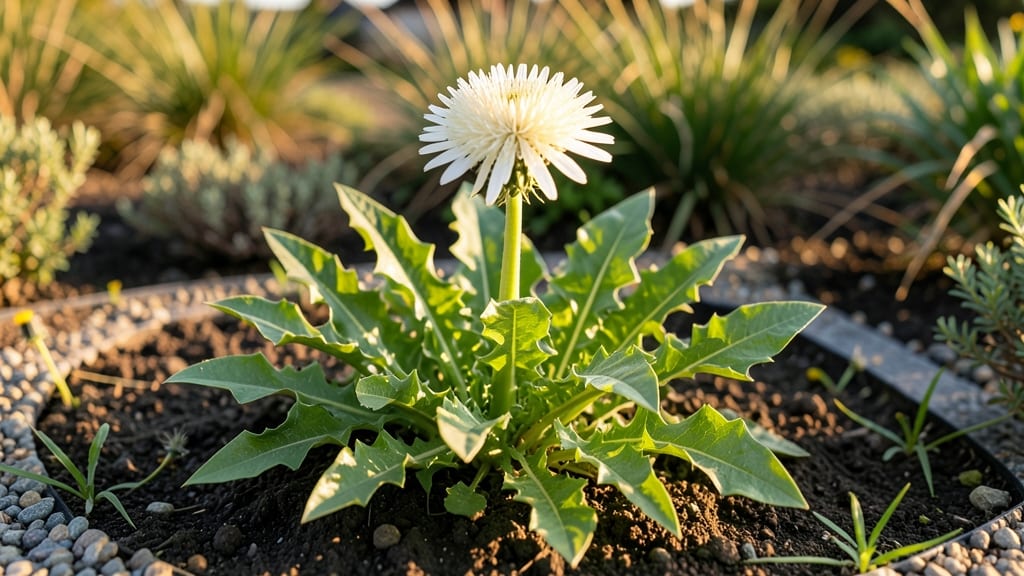
White dandelion flowers aren’t weeds—they’re nature’s delicate, edible stars that transform any garden into a pollinator paradise. 🌼 Their pure white petals catch morning light like tiny lanterns, while their deep roots break up compacted soil, making them a gardener’s secret weapon.
I’ve watched bees and butterflies flock to my garden the moment these blooms appear, turning a patch of earth into a buzzing, fluttering ecosystem.
Pair them with lavender for a cottage-garden charm or let them mingle with native grasses for a wild, minimalist look. Their tall, slender stems create vertical interest, perfect for borders or filling gaps between perennials.
The best part? They thrive in poor soil and full sun, making them the low-maintenance darlings of any garden style—from formal to free-spirited.
You’ll love how they turn ordinary spaces into whimsical retreats, especially when their golden puffballs drift on the breeze. Harvest the petals for tea or let them self-seed naturally—either way, you’re adding beauty, biodiversity, and a touch of magic. Ready to let these resilient blooms take center stage?
Works in containers, meadows, or as bold accents in flower beds. Here’s how to make them work for you—without the guilt of pulling them up.
📚 In This Guide
- What you need
- Instructions
- Tips and common mistakes
- Wrapping up and next steps
What you need
- ● Fresh white dandelion flowers – Harvest 10–15 blooms (or ~½ cup when packed). Ensure they’re pesticide-free and fully open.
- ● Clean water – 1 cup (8 oz) for steeping (or 2 cups for a lighter infusion). Use filtered or spring water for best flavor.
- ● Fine-mesh strainer or cheesecloth – For filtering petals and debris. A sieve with 0.5mm holes works best.
- ● Glass jar or heat-safe container – A 16–20 oz mason jar is ideal for steeping.
- ○ Optional flavor boosters (pick 1–2): 1 tsp raw honey or local wildflower honey (to balance bitterness)
- ● 1 cinnamon stick or ¼ tsp ground cinnamon (adds warmth)
- ● 1 tsp lemon juice or lemon zest (brightens flavor)
- ● Kitchen scissors or clean pruners – For harvesting stems (avoid plastic scissors to prevent contamination).
- ● Wooden spoon or spatula – For stirring (metal can oxidize delicate petals).
- ● Teapot or teacup – A ceramic or glass vessel preserves heat and aroma better.
- ● Paper towels or clean cloth – To pat dry flowers before steeping (removes dirt and excess moisture).
- ● Identify dandelions correctly—never harvest if near roadsides, golf courses, or chemically treated lawns. Use a field guide or app like iNaturalist for verification.
- ● Harvest in the early morning when dew is present (petals are most tender and flavorful).
- ● Rinse flowers briefly under cool water to remove dirt, then dry thoroughly to prevent mold.
Step-by-Step guide to cultivating white dandelion flowers
Turn your lawn's "weeds" into edible beauty with this easy, low-maintenance growing method.
🌱 Step 1: Identify and Prepare White Dandelion Seeds
White dandelions (Taraxacum officinale) are actually a cultivated variety of the common yellow dandelion. Collect seeds from white-flowered plants in late summer when the seed heads turn fluffy and brown. I like to place a paper bag over the seed head and gently tap it to release seeds—this prevents scattering and keeps them clean.
Store seeds in a cool, dry place until spring. Unlike many plants, dandelions don't require stratification, so you can sow them directly outdoors as soon as the soil is workable. The key here is patience—dandelions grow aggressively but slowly, so don't rush the process.
☀️ Step 2: Choose the Right Location and Soil
Dandelions thrive in full sun to partial shade, making them perfect for lawn edges, garden borders, or even containers. They tolerate poor soil conditions but grow best in well-draining, slightly acidic soil with a pH between 6.0 and 7.0. If your soil is heavy clay, mix in 1-2 inches of compost to improve drainage.
Unlike many edible flowers, dandelions don't need rich soil. In fact, they'll spread more easily in lean conditions. Avoid areas with high foot traffic—these plants are delicate when young. You'll see the first true leaves emerge in 10-14 days under ideal conditions.
💧 Step 3: Sow Seeds and Establish Young Plants
Scatter seeds thinly across the prepared area, pressing them lightly into the soil with your fingers or the back of a rake. A little goes a long way—dandelions self-seed prolifically, so 1/4 teaspoon of seeds will cover a 10-foot square. Water gently but thoroughly after sowing to settle the seeds into the soil.
Keep the soil consistently moist but not soggy during the first 4-6 weeks. You'll notice the first true leaves appear as small, deeply lobed rosettes. Once seedlings reach 2-3 inches tall, you can thin them to 6-12 inches apart if you want larger flowers. I usually let them grow naturally—they're beautiful either way.
✂️ Step 4: Maintain and Harvest for Tea
Dandelions are incredibly low-maintenance. Water 1-2 times per week once established, depending on rainfall. They tolerate drought surprisingly well, but consistent moisture produces larger, more abundant flowers. Fertilizer isn't necessary, but if you want extra vigor, apply a balanced organic fertilizer in early spring.
Harvest flowers in the morning after the dew has dried but before full sun hits. Cut the entire flower head (including a small portion of stem) and place it upside-down in a paper bag. The flowers will dry naturally in 3-5 days. For tea, use 1 teaspoon of dried flowers per cup of hot water, steeping for 5-10 minutes. The bitterness mellows with longer steeping.
🌿 Step 5: Encourage Continuous Blooms
After harvesting, leave the stems in place—they'll often produce a second flush of flowers in 4-6 weeks. Dandelions are perennial in most climates, returning year after year. In colder regions, they may die back in winter but resprout from roots in spring.
If you want to control spread, deadhead spent flowers before they go to seed. But if you enjoy the whimsical charm, let them self-seed—they'll naturalize beautifully. Just be prepared for them to appear everywhere next year!
Tips & tricks for perfect white dandelion cultivation
White dandelions offer a unique twist on the classic yellow variety, and these simple tricks will help you cultivate them successfully without the fuss.
The Seed Collection Secret: When harvesting seeds in Step 1, look for seed heads that are completely brown and fluffy—this indicates full maturity. The paper bag trick works best if you tap gently but firmly, as dandelion seeds release easily with just a little encouragement. Store them in a sealed container with a silica gel packet to maintain dryness until spring planting. Don't skip this step—proper seed storage ensures high germination rates.
Soil pH Matters More Than You Think: While dandelions tolerate a wide range of conditions, that 6.0-7.0 pH range mentioned in Step 2 is ideal for maximizing growth. Test your soil before planting—you can use an inexpensive home test kit. If your soil is too alkaline, mix in 1-2 inches of peat moss or compost to lower the pH naturally. The right soil chemistry makes all the difference in plant vigor and flower production.
Thinning Strategy for Larger Flowers: When seedlings reach 2-3 inches in Step 3, thinning to 6-12 inches apart gives each plant room to develop larger blooms. I find the best time to thin is on a cloudy day—it's less stressful for the plants. Use clean scissors to snip at soil level rather than pulling, which can damage roots. The removed seedlings make great additions to salads or can be dried for tea.
Harvesting Timing Tip: The 5-10 minute steeping time for tea in Step 4 is crucial—longer steeping extracts more bitter compounds, while shorter steeping preserves delicate floral notes. For a milder tea, steep for 5 minutes and add honey or lemon afterward. If you want deeper flavor, extend to 10 minutes but discard the first steep and use fresh flowers for the second batch to avoid over-extraction.
Pro Tips for White Dandelion Flower
- White dandelions offer a unique twist on the classic yellow variety, and these simple tricks will help you cultivate them successfully without the fuss.
- The Seed Collection Secret: When harvesting seeds in Step 1, look for seed heads that are completely brown and fluffy—this indicates full maturity.
- Soil pH Matters More Than You Think: While dandelions tolerate a wide range of conditions, that 6.0-7.0 pH range mentioned in Step 2 is ideal for maximizing growth.
Frequently asked questions
Got questions about those stunning white dandelion flowers? You’re not alone! Here are some of the most common queries—and their answers—to help you navigate growing, harvesting, and enjoying these edible beauties with confidence.
Are white dandelion flowers really edible?
Yes! While most dandelions have bright yellow blooms, the white-flowered varieties (like Taraxacum officinale alba) are just as edible—just slightly less common. Always ensure they’re pesticide-free and grown in clean soil. Start with small amounts to test for bitterness, as taste can vary!
When is the best time to harvest white dandelion flowers?
Harvest them in the early morning when petals are fully open but still fresh. Avoid wilting blooms or those near roadsides (pollution risk). For tea, pick 3–5 days before full bloom for the best flavor balance—too early = overly bitter, too late = bland.
How do I tell if a white dandelion is safe to eat?
Look for these signs:
- Vibrant color: Bright white or pale cream petals (no brown/yellow spots).
- Tight buds: Avoid droopy or slimy flowers.
- No pesticides: Grow your own or source from organic farms.
If in doubt, peel the petals and taste a tiny piece—bitterness is normal, but sharp chemical tastes aren’t!
Can I use white dandelion flowers for tea like yellow ones?
The process is identical. Steep 1–2 tbsp of petals in 1 cup of boiling water for 5–10 minutes. White varieties may have a milder, slightly sweeter profile than yellow, but both offer liver-supportive benefits. Add honey or lemon to balance bitterness.
What if my white dandelions turn yellow or brown?
This usually means:
- Heat stress: Provide shade if temps exceed 85°F (29°C).
- Underwatering: Dandelions thrive in moist soil—water deeply 1–2x/week.
- Pests: Check for aphids or fungal spots. Spray with neem oil if needed.
If flowers fade prematurely, try harvesting earlier or growing in cooler climates.
Wrapping up and next steps
The white dandelion flower isn’t just a pretty sight—it’s a versatile, edible treasure with surprising benefits, from soothing tea to vibrant salads. Whether you’re sipping its bitter-sweet brew or admiring its delicate petals, this humble bloom proves nature’s bounty is both beautiful and functional. 🌼✨
Ready to explore more? Start by harvesting a few blooms from your yard or a trusted local source, then experiment with recipes—your taste buds (and tea cup) will thank you!