
Flowers
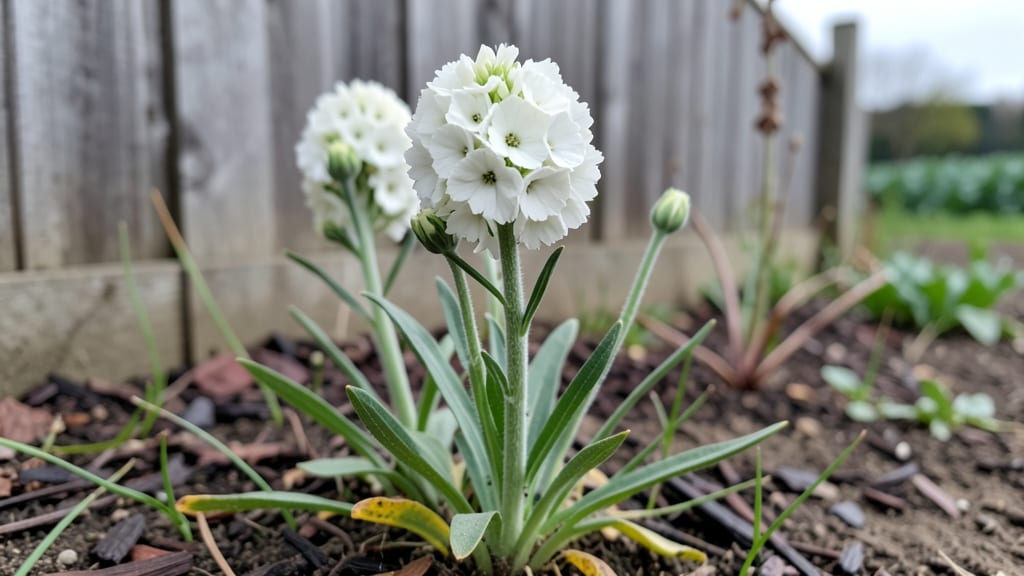
Nothing beats the delicate charm of white sweet william flowers in your Pacific Northwest garden—especially when they bloom reliably through frost and rain. 🌱 I’ve grown them for years in my Zone 8 yard, and they’ve never failed to deliver those lacy, romantic clusters from early spring to late fall.
The secret lies in their hardy nature, but a few key steps make all the difference.
These flowers thrive in partial shade, making them perfect for under trees or along shady fences where other blooms struggle. They love well-draining soil rich in organic matter, and a 6-inch layer of compost at planting time gives them the nutrients they crave.
Watering should be consistent but not soggy—think 1 inch per week, adjusting for rainier Pacific Northwest seasons.
By early spring, you’ll see those classic fern-like foliage emerge, followed by clusters of tiny white blooms that fill the air with a sweet, fresh scent. With proper care, they’ll rebloom throughout the season, providing months of effortless color without the fuss of high-maintenance flowers.
The best part? They’re deer-resistant, so you won’t lose them to hungry critters.
Whether you’re planting them in borders, containers, or as cut flowers for the house, white sweet williams bring a timeless elegance to any garden. Let’s get yours growing strong—your Pacific Northwest garden will thank you!
📚 In This Guide
- What you need
- Instructions
- Tips and common mistakes
- Wrapping up and next steps
What you need
- ● White Sweet William Seeds: 50–100 seeds (or 1–2 seed packets, depending on desired density). Choose Dianthus barbatus varieties like 'Alaska' or 'White Queen' for cold hardiness.
- ● Well-draining potting mix or garden soil: 1–2 cubic feet (for containers) or amended garden beds (for in-ground planting). Mix in compost (1 part compost to 3 parts soil) for fertility.
- ○ Containers (optional for starter plants): 4–6-inch pots (for seedlings) or
- ● Long, shallow trays (for direct sowing in rows).
- ● Organic fertilizer: Balanced 10-10-10 or slow-release granular (e.g., fish emulsion or kelp meal).
- ● Mulch: Straw or shredded bark (1–2 inches) to retain moisture and protect roots from frost.
- ● Watering can or hose with a gentle spray nozzle: For even moisture without disturbing seedlings.
- ● Garden trowel or hand fork: For planting seeds and transplanting seedlings.
- ● Pruners or scissors: Sharp, clean tools for deadheading spent blooms.
- ● Gloves: Garden or work gloves to protect hands from thorns (sweet william has delicate but prickly stems!).
- ● Row marker or stakes: To label planting rows and track growth.
- ○ Thermometer (optional): For monitoring soil temperature (ideal germination range: 60–70°F).
- ● Sunlight: Full sun to partial shade (6+ hours of sunlight daily). Pacific Northwest’s partial shade is ideal to prevent wilting.
- ● Climate readiness: Sweet william tolerates USDA Zones 3–9 and can handle light frosts, but avoid waterlogged soil.
- ● Patience: Germination takes 10–21 days—stay consistent with moisture!
- ● Seedling heat mat (for faster germination in cool springs).
- ● Copper tape or slug bait (to deter pests like slugs and snails).
- ● Floral wire or twine (for supporting tall stems in windy PNW conditions).
- ● Slow-release watering system (e.g., drip irrigation) for low-maintenance care.
Step-by-Step instructions for growing white sweet william in the Pacific Northwest
Here's how I grow these hardy, cheerful blooms—frost-resistant and perfect for PNW gardens.
🌱 Step 1: Choose the Right Location and Prepare the Soil
Sweet Williams thrive in full sun to partial shade, making them ideal for PNW's mix of sun and cloud cover. I pick a spot with at least 4-6 hours of sunlight daily, even in winter. They tolerate light shade but may produce fewer blooms if too shaded.
Loosen the soil to a depth of 12 inches—Sweet Williams hate compacted roots. Amend with 2-3 inches of compost to improve drainage and fertility. These plants prefer well-draining soil, so if your garden holds water, add a mix of sand or perlite to prevent root rot.
🌿 Step 2: Plant Seeds or Transplants at the Right Time
For spring planting, sow seeds ¼ inch deep after the last frost date in your area—typically late April to early May in the PNW. I like to start seeds indoors 6-8 weeks before the last frost for earlier blooms, then transplant seedlings outdoors once temperatures stay above 50°F.
If using transplants, space them 8-12 inches apart in rows 12-18 inches apart. Plant them slightly deeper than they were in their nursery pots—this encourages stronger root growth. Water thoroughly after planting to settle the soil around the roots.
💧 Step 3: Water Consistently and Fertilize for Abundant Blooms
Keep the soil evenly moist but not soggy, especially during the first growing season. Water at the base of the plants in the morning to allow foliage to dry, reducing fungal diseases like powdery mildew. You'll know you're on track when the soil feels damp 1-2 inches below the surface.
Feed with a balanced fertilizer (10-10-10) every 4-6 weeks during the growing season. I switch to a low-nitrogen, high-phosphorus (5-10-10) fertilizer when buds form to encourage more blooms. Stop fertilizing in late summer to allow plants to harden off for winter.
✂️ Step 4: Deadhead and Prune for Long-Lasting Color
Deadhead spent blooms regularly to encourage continuous flowering. Simply pinch or cut off the faded flowers just above a set of leaves. This redirecting energy keeps your Sweet Williams blooming from early summer through fall—and sometimes even into winter in milder PNW climates.
After the first flush of blooms, cut back the stems by one-third to promote bushier growth. In late fall, cut back the foliage to 2-3 inches above the ground to prepare for winter. Sweet Williams are hardy and will regrow in spring, but this pruning keeps them tidy and healthy.
⏰ Step 5: Protect from Harsh Winters and Enjoy Year-Round Growth
The PNW's mild winters mean Sweet Williams often survive outdoors year-round, but a thick layer of 3-4 inches of mulch protects roots from freezing temperatures. I use straw or shredded leaves, pulling it back in early spring to prevent rot.
In areas with colder winters, you can cut back the plants to the ground and cover them with 6-8 inches of mulch or a frost blanket. Even with protection, Sweet Williams are remarkably resilient and often pop up again in spring, ready to bloom once more.
Tips & tricks for growing white sweet william in the Pacific Northwest
Here's what I've learned after years of growing these cheerful blooms—tricks that'll help you get the most vibrant, long-lasting flowers possible.
Sunlight Strategy: In Step 1, when choosing your location, remember that Sweet Williams can handle the PNW's mix of sun and clouds, but those 4-6 hours of sunlight are non-negotiable for best results. If you're planting near trees or buildings that cast afternoon shade, position them to catch morning sun—this gives them the energy boost they need for strong growth. I've found that even in cloudy PNW summers, the morning light makes all the difference for healthy foliage and abundant blooms.
Soil Prep Secret: The 12-inch deep soil loosening in Step 1 is worth the effort—Sweet Williams develop deep root systems, and compacted soil will stunt their growth. I like to add a handful of compost directly to each planting hole before placing the plants. This gives them an instant nutrient boost right where the roots will grow most actively. For clay-heavy PNW soils, mix in some perlite to improve drainage without sacrificing moisture retention.
Transplant Timing: When starting seeds indoors 6-8 weeks before last frost in Step 2, use a grow light if your windows don't get strong sunlight. I've seen seedlings stretch painfully toward weak windowsill light, which weakens them before they even hit the garden. Also, when transplanting outdoors, wait until soil temperatures consistently stay above 50°F—cold soil can shock tender roots. I test this by placing a thermometer in the soil at planting depth for a few days before transplanting.
Winter Protection: For Step 5's mulching, don't be shy with that 3-4 inch layer—especially in exposed locations. I've learned the hard way that skimping on mulch leads to frost-heaved plants in our PNW winters. Use straw rather than leaves if possible, as it provides better insulation and won't compact as much when wet. In particularly cold microclimates, add a layer of burlap over the mulch for extra protection during extreme cold snaps.
Pro Tips for White Sweet William Flower
- Here's what I've learned after years of growing these cheerful blooms—tricks that'll help you get the most vibrant, long-lasting flowers possible.
- Sunlight Strategy: In Step 1, when choosing your location, remember that Sweet Williams can handle the PNW's mix of sun and clouds, but those 4-6 hours of sunlight are non-negotiable for best results.
- Soil Prep Secret: The 12-inch deep soil loosening in Step 1 is worth the effort—Sweet Williams develop deep root systems, and compacted soil will stunt their growth.
Frequently asked questions
about growing white sweet william flowers in the Pacific Northwest—your go-to answers for common concerns!When is the best time to plant white sweet william in PNW?
Plant Dianthus barbatus in early spring (March–April) or early fall (September–October) for optimal root establishment. Avoid summer heat, which can stress seedlings. If planting in containers, you can start them indoors 6–8 weeks before the last frost for earlier blooms.
Can white sweet william survive PNW winters?
Yes! This hardy annual (or short-lived perennial) thrives in USDA Zones 3–9. In the PNW’s mild winters, it may self-seed or return the next year if protected by mulch. Cut back dead foliage in late winter to encourage fresh growth.
How do I keep white sweet william blooms lasting longer?
Deadhead spent flowers regularly to extend blooming. For cut flowers, trim stems at an angle and place in cool water with a floral preservative. Avoid direct sunlight while drying to prevent wilting. Pro tip: Add a splash of bleach (1 tsp per gallon) to vase water to slow bacterial growth.
What pests or diseases should I watch for in PNW?
Common issues include aphids, slugs, and fungal diseases like powdery mildew (from humidity). Use neem oil for aphids, beer traps for slugs, and ensure good airflow between plants. Avoid overhead watering to prevent mildew.
Are there drought-tolerant varieties of white sweet william?
While sweet william prefers consistent moisture, some varieties like 'Blackout' or 'Jester' handle drier conditions better once established. Mulch around plants to retain soil moisture, especially in PNW’s dry summers. Group with other drought-tolerant perennials for low-maintenance beds.
Wrapping up and next steps
Growing white sweet william flowers in the Pacific Northwest is a rewarding journey—one that brings vibrant color, resilience, and joy to your garden year-round! 🌸 With their frost-hardy nature and low-maintenance charm, these blooms are perfect for both beginners and seasoned gardeners alike.
Whether you’re adding them to borders, containers, or cutting gardens, their cheerful presence will brighten up any space.
Ready to dive in? Start by gathering your supplies, choosing the right location, and following the simple steps outlined above. Before you know it, your garden will be bursting with these delightful, fragrant flowers—and you’ll be the proud gardener who made it happen! 🌿✨