
Flowers
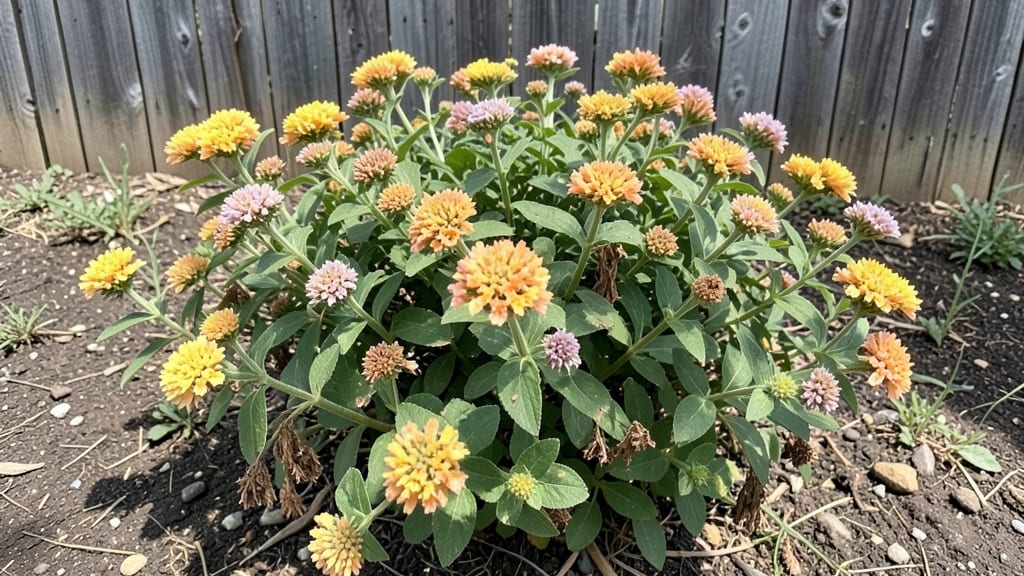
Growing year-round flowers in Texas isn’t just possible—it’s transformative. 🌿 My front yard used to look like a sun-scorched desert by June, but now it’s a riot of color from January to December. The secret lies in choosing plants that embrace the heat and drought instead of fighting them.
Native Texas favorites like lantana, salvia, and zinnias handle 100-degree days with ease, while non-natives like bougainvillea and plumbago stretch their blooms well beyond summer. These varieties thrive in full sun, need minimal water once established, and even tolerate our occasional freezes—no fuss, just flowers.
You’ll end up with a garden that stays vibrant when others fade, attracts pollinators year-round, and requires less work than you’d expect. The key is matching plants to your microclimate—North Texas’s cooler winters versus South Texas’s brutal summers—and giving them well-draining soil. Let’s get you started!
Whether you’re in a suburban yard or a high-rise balcony, these plants adapt. I’ll show you how to layer them for continuous bloom, from winter’s first sprouts to autumn’s last fade. No more seasonal gaps—just nonstop color.
📚 In This Guide
- What you need
- Instructions
- Tips and common mistakes
- Wrapping up and next steps
What you need
- ● Heat-tolerant flower seeds or plants: Lantana (seeds or young plants)
- ● Zinnias (seeds or transplants)
- ● Portulaca (Moss Rose, seeds or plants)
- ● Salvia (Annual or perennial varieties)
- ● Gaillardia (Blanket Flower, seeds or plants)
- ● Soil amendments: Compost (5–10 gallons per planting area)
- ● Organic mulch (straw, pine bark, or shredded leaves, 2–3 inches)
- ● Slow-release fertilizer (10-10-10 or 14-14-14, 1–2 lbs per 100 sq ft)
- ● Garden tools: Trowel or hand shovel
- ● Garden fork (for aerating soil)
- ● Pruners (bypass pruners for clean cuts)
- ● Watering can or hose with adjustable nozzle
- ● Gloves (gardening or work gloves)
- ● Containers (if gardening in pots): 5–10 gallon pots (with drainage holes)
- ● Container soil mix (lightweight, well-draining blend)
- ● Drip irrigation system or soaker hoses (for efficient watering)
- ● Shade cloth (30–50% coverage for seedlings or extreme heat)
- ● Reflective mulch (to deter pests and retain moisture)
- ● Epsom salt (for magnesium boost, especially for zinnias and salvias)
- ● Plant markers (to track varieties and watering needs)
How to design a year-round Texas flower garden
Texas heat doesn't have to mean a summer garden break—these heat-resistant varieties keep blooms coming.
🌱 Step 1: Select Heat-Tolerant Annuals and Perennials
Focus on native Texas varieties like Lantana, Zinnias, and Mexican Sunflower—they thrive in 100°F+ temperatures. For shade, Impatiens and Coleus handle humidity and heat. I always include Salvia and Blackfoot Daisy for drought resistance and pollinator appeal. Check each plant's tag for USDA Zone 8-11 compatibility—Texas spans multiple zones, so verify your specific region.
For year-round color, layer perennials like Mexican Feather Grass (evergreen) with annuals that bloom in both spring and fall. Avoid traditional cool-season favorites—they'll bolt in Texas summers. Group plants by water needs to simplify maintenance. For example, Lantana and Zinnias need moderate water, while Portulaca thrives on neglect.
☀️ Step 2: Optimize Sunlight and Soil Conditions
Most Texas flowers need full sun (6+ hours daily)—place them where they won't compete with trees or structures. In West Texas, morning sun + afternoon shade prevents scorching. Amend native clay soil with 2-3 inches of compost to improve drainage and fertility. I test soil pH (aim for 6.0-7.0) and adjust with lime if needed—most Texas natives prefer slightly acidic to neutral soil.
Mulch with 2-3 inches of shredded bark to retain moisture and regulate soil temperature. Dark mulch absorbs heat, so light-colored options like pine straw work better in full sun. Water deeply once weekly (more in peak summer) to encourage deep root growth. You'll know moisture is right when the top 1-2 inches of soil feel dry but lower layers stay damp.
✂️ Step 3: Prune and Deadhead for Continuous Blooms
Remove spent blooms weekly to trigger new flowers—Lantana and Zinnias reward this with nonstop blooms. Prune leggy growth in early spring to shape plants and encourage bushier growth. For perennials like Blackfoot Daisy, cut back 1/3 of the plant in late winter to stimulate fresh growth. I use clean, sharp pruners to avoid tearing stems and introducing disease.
Watch for pests like aphids or whiteflies—spray with neem oil at first sign. Texas heat dries out foliage quickly, so mist leaves daily during extreme heat waves. Group plants by water needs to simplify care: Portulaca and Gaillardia handle drought, while Impatiens need consistent moisture. Rotate containers weekly to prevent uneven sun exposure.
🪴 Step 4: Extend the Season with Containers and Shade
Use containers to move heat-sensitive plants like Petunias to shaded patios in summer, then return them to full sun in spring/fall. Fill pots with lightweight potting mix and add 20% perlite for drainage. I plant Begonias and Fuchsias in containers—they thrive in partial shade and add color when annuals fade in heat.
For winter protection, wrap tender perennials like Salvia with burlap or frost cloth when temps drop below 25°F. Group containers close together to retain warmth. In coastal areas, humidity-loving plants like Hibiscus perform best with afternoon shade to prevent leaf scorch. Monitor soil moisture—containers dry out 3x faster than in-ground beds.
Tips & tricks for year-round Texas flower gardens
These heat-smart strategies will help you create a vibrant garden that blooms through every Texas season without wilting.
Native Plant Pairing: Combine Lantana and Zinnias for a powerhouse duo—they both thrive in 100°F+ heat and attract pollinators. I pair them with Mexican Sunflower for vertical interest, creating a layered look that prevents heat stress on individual plants. The key is spacing them 18-24 inches apart to allow airflow and reduce competition for water.
Soil Science: Texas clay soil needs serious attention! Before planting, mix in 2-3 inches of compost and test your pH—most native plants prefer 6.0-7.0. I've found that adding sand or perlite improves drainage, which is crucial when summer rains mix with Texas heat. The goal is soil that holds moisture without becoming waterlogged, especially for Impatiens and Coleus that prefer consistent dampness.
Watering Wisdom: The once-weekly watering guideline works best when you water deeply—aim for 1-1.5 inches per week. I use the finger test: stick your finger 1-2 inches deep into the soil. If it feels dry, water again. For containers, check daily since they dry out 3x faster than in-ground beds. Morning watering prevents evaporation, but avoid wetting leaves to reduce fungal risks in our humid summers.
Seasonal Rotation Strategy: For true year-round color, I create "bloom waves" by planting spring-blooming Blackfoot Daisy alongside fall-blooming Salvia. When one fades, the other takes over. In winter, I rely on Mexican Feather Grass for texture and evergreen Coleus varieties that handle our mild winters. This approach ensures your garden never looks bare, even when temps dip below 25°F.
Pro Tips for Year Round Flowers Texas
- These heat-smart strategies will help you create a vibrant garden that blooms through every Texas season without wilting.
- Native Plant Pairing: Combine Lantana and Zinnias for a powerhouse duo—they both thrive in 100°F+ heat and attract pollinators.
- Soil Science: Texas clay soil needs serious attention!
Frequently asked questions
Got questions about keeping your Texas garden blooming nonstop? Here are some of the most common concerns—and their solutions!
What are the hardest flowers to grow in Texas year-round?
Some flowers struggle with Texas’ extreme heat and humidity, like traditional roses or delicate annuals (e.g., petunias). Instead, opt for heat-resistant natives like Lantana, Zinnias, or Mexican Bush Sage, which thrive in 100°F+ temps with minimal fuss. Avoid frost-sensitive varieties unless you’re in South Texas!
When is the best time to plant for continuous blooms?
For year-round color, stagger plantings: Spring (Feb–March) for cool-season bloomers (e.g., Pansies), Summer (June–July) for heat lovers (e.g., Portulaca), and Fall (Sept–Oct) for winter interest (e.g., Salvia). Pro tip: Succession planting every 6–8 weeks keeps gaps filled!
How often should I water year-round flowers in Texas?
Texas heat demands deep watering 2–3 times per week (more in summer), but drought-tolerant picks like Blackfoot Daisy or Autumn Sage need less. Morning watering prevents evaporation, and mulch (2–3 inches) locks in moisture. Overwatering? Yellow leaves or moldy soil are red flags—adjust based on rainfall!
What pests or diseases should I watch for with Texas year-round flowers?
Common culprits include aphids (on Zinnias), whiteflies (loving Lantana), and fungal blights in humid summers. Preventative tips:
- Spray neem oil weekly for pests.
- Ensure 6–12 inches of spacing for airflow.
- Remove wilting leaves promptly to stop spread.
Can I grow year-round flowers in containers or small spaces?
Container-friendly
picks like Geraniums, Sweet Potato Vine, or Begonias thrive in pots. Use well-draining soil with perlite, and 5-gallon pots minimum for stability. Trailing plants (e.g., Petunia) soften balconies or patios. Just rotate pots for even sun exposure!
Wrapping up and next steps
Transforming your Texas garden into a year-round floral paradise is totally achievable—even in the heat! 🌵🌸 From sun-loving Lantana to drought-tolerant Salvia, these heat-resistant blooms prove that beauty doesn’t take a break.
Whether you’re a seasoned gardener or just starting, the key is choosing the right plants, providing proper care, and embracing Texas’s unique climate.
Ready to dive in? Start small—pick one or two varieties from this list, test them in your space, and let your garden bloom with confidence! 🌿 With the right planning, your outdoor oasis will be the talk of the neighborhood all year long.