
Flowers
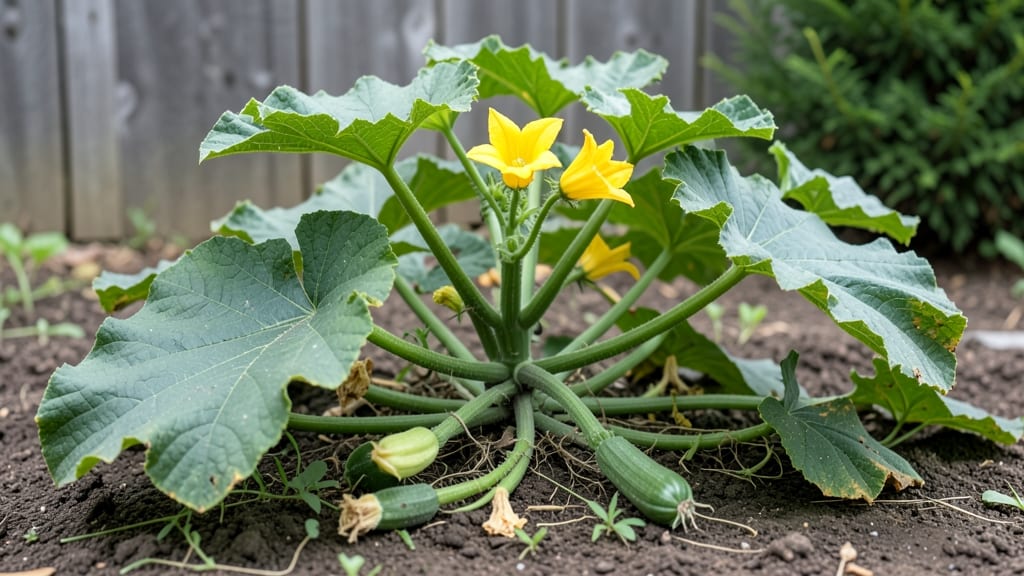
Zucchini flowers burst into season when summer heat softens into long, golden days—typically mid-June to August in most temperate zones. 🌻 I still remember the first time I spotted those delicate, star-shaped blooms on my vines, their buttery yellow petals trembling in the morning breeze.
These aren't just pretty faces; they're the secret to your zucchini harvest, and getting them right means more fruit on the vine.
The key to peak flowering lies in sunlight and warmth—zucchini plants need at least 6-8 hours of direct sun daily and soil temperatures above 60°F.
Too much shade or cool nights can delay blooms, while consistent watering (about 1 inch per week) keeps the flowers happy without stressing the plant.
In Southern climates, flowers may appear as early as May, while Northern gardeners might wait until July before seeing that first burst of color.
When flowers are at their best, you'll notice plump, vibrant petals that open fully by mid-morning—this is prime pollination time. The male flowers (with long stems) appear first and drop after pollinating the females (small, swollen bases).
Snip off excess male flowers to redirect the plant's energy toward fruit production, and you'll soon be rewarded with heavy, glossy zucchinis ready for harvest.
Pro tip: Hand-pollinate on cloudy days by gently brushing stamens onto female flowers with a paintbrush. This trick works wonders in greenhouses or rainy summers.
Whether you're growing in a backyard plot or containers, these flowers are your ticket to a bountiful, homegrown harvest—just don't forget to save a few for frying or garnishing!
📚 In This Guide
- What you need
- Instructions
- Tips and common mistakes
- Wrapping up and next steps
What you need
- ● Fresh zucchini flowers – 6–12 blooms (pick in the morning for peak freshness; avoid flowers with bees or wilted petals).
- ● Butter or olive oil – 2–3 tbsp (for sautéing or frying).
- ● Garlic – 2–3 cloves, minced (or ½ tsp garlic powder in a pinch).
- ○ Parmesan cheese – ¼ cup, grated (optional but highly recommended for depth of flavor!).
- ● Lemon zest or juice – 1 tsp (brightens the dish and balances richness).
- ● Salt and pepper – To taste (freshly ground black pepper adds a nice kick!).
- ● Fresh herbs – 1 tbsp chopped basil, thyme, or parsley (for a fragrant finish).
- ● Sharp kitchen shears or small knife – For trimming stems (about ½ inch from the base).
- ● Mixing bowl – Large enough to hold flowers and ingredients.
- ● Non-stick skillet or frying pan – 8–10 inches in diameter (for frying or sautéing).
- ● Tongs or slotted spoon – For gently turning flowers without tearing them.
- ● Paper towels – To pat flowers dry before cooking (removes excess moisture for crispiness!).
- ● Plate or serving dish – Chilled for 1–2 minutes (helps flowers retain their shape post-frying).
- ● Breadcrumbs or panko – ¼ cup (for a light, crunchy coating).
- ● Egg wash – 1 egg beaten with 1 tbsp water (for extra crispiness).
- ● Balsamic glaze or honey drizzle – For a sweet-savory contrast.
- ● Microgreens or edible flowers – For garnishing and adding color.
- ● Zucchini blossom honey – A specialty honey to pair with your dish (if you’re feeling fancy!).
How to harvest and use zucchini flowers in season
Here’s the method I’ve used for years to pick perfect zucchini blossoms—when to harvest, how to preserve their delicate flavor, and simple ways to enjoy them.
🌿 Step 1: Identify and Select the Right Flowers
Zucchini flowers are edible only when fully open and unfaded—pick them in the morning after dew has dried but before the heat of the day wilts the petals. Look for male flowers (they have a long stem and no bulb at the base) or female flowers (they have a tiny zucchini forming at the base). Male flowers are more tender and commonly used in cooking.
Gently grasp the stem near the base and twist it sharply to avoid damaging the plant. You’ll know it’s ready when the flower pulls away cleanly with a slight resistance. Avoid harvesting flowers that are already browning or have been exposed to heavy rain, as their flavor becomes bitter.
☀️ Step 2: Harvest at Peak Freshness for Best Flavor
Timing matters—harvest flowers when they’re fully open but still bright green or pale yellow, ideally between 8 and 10 AM on a sunny day. The petals should feel crisp to the touch, not limp or wilting. If you’re harvesting female flowers, leave the tiny zucchini attached (it’s edible too) or remove it if you prefer a cleaner bloom.
Place harvested flowers in a paper towel-lined container to absorb any moisture and keep them in the fridge for up to 24 hours. For longer storage, blanch and freeze them (see Step 3). The sooner you use them, the more delicate and buttery their flavor will be.
💧 Step 3: Prepare for Cooking or Preservation
To clean, gently rinse the flowers under cool water and pat them dry with a clean towel. Remove any stubborn stamens or pistils if you prefer a smoother texture—though they’re edible and add a subtle crunch. For immediate use, dip the flowers in cold batter (flour, eggs, and a pinch of salt) and fry in 350°F oil for 1-2 minutes until golden. They’re best served fresh while still crisp.
For preservation, blanch the flowers in boiling water for 30 seconds, then shock them in ice water. Drain well, pat dry, and store in an airtight container in the freezer for up to 3 months. Thaw in the fridge before using to restore their delicate texture.
✂️ Step 4: Cook or Use in Recipes for Maximum Flavor
Zucchini flowers shine in dishes where their delicate, buttery taste can shine—think light tempura, frittatas, or stuffed with cheese and herbs. For a simple tempura, coat the flowers in a cornstarch and ice water batter, fry until golden, and serve with a sprinkle of sea salt and lemon zest. The key is high heat for minimal time to keep them crisp.
For a no-fry option, lightly sauté the flowers in butter or olive oil for 1-2 minutes until just wilted, then toss with garlic, parsley, and a squeeze of lemon. Pair with grilled meats or fresh salads for a seasonal touch. The flavor fades quickly, so use them within 2-3 days of harvest for the best results.
🌱 Step 5: Encourage More Blooms for a Continuous Harvest
To keep your zucchini plant producing flowers, hand-pollinate if bees are scarce by gently transferring pollen from male to female flowers with a small brush. Remove any overripe zucchinis to redirect the plant’s energy toward blooms. A balanced 10-10-10 fertilizer applied every 2 weeks supports steady flowering without overloading the plant.
Prune back any leggy or overly shaded vines to improve air circulation, which reduces disease and encourages more blooms. With consistent care, a single zucchini plant can yield dozens of flowers over the season—enough to enjoy fresh and share with neighbors.
Tips & tricks for perfect zucchini flower harvesting and cooking
Here's what I've learned over years of working with these delicate edible blooms to ensure you get the most flavor and texture from your harvest.
Timing Secret: That 8-10 AM window in Step 2 is absolutely critical for peak freshness. I've found that flowers harvested at this time have the crispest petals and most intense flavor. If you're harvesting later in the day, work quickly to preserve their delicate texture—don't let them sit in direct sunlight or they'll wilt before you can use them.
Texture Tip: When prepping in Step 3, resist the urge to overhandle the flowers. Their delicate structure breaks down easily, so work gently when rinsing and drying. I like to use a salad spinner for drying—it's much gentler than patting with a towel. For frying, keep the oil at exactly 350°F and maintain that high heat for those crucial 1-2 minutes to get that perfect golden finish without making them soggy.
Preservation Strategy: The 30-second blanch in Step 3 is just right for preserving texture while freezing. I've learned that longer blanching times can make the petals mushy when thawed. After blanching, spread the flowers on a baking sheet in a single layer before freezing—this prevents them from sticking together. When you're ready to use them, thaw in the fridge overnight rather than at room temperature to maintain their delicate structure.
Plant Care: In Step 5, that 10-10-10 fertilizer recommendation works wonders, but I've found you can actually go lighter—try 5-5-5 instead. The extra potassium helps with flowering, but too much nitrogen can make the plant focus on leaves rather than blooms. Also, when pruning, cut back to just above a leaf node rather than making clean cuts—this encourages new growth and more flowers.
Pro Tips for Zucchini Flowers In Season
- Here's what I've learned over years of working with these delicate edible blooms to ensure you get the most flavor and texture from your harvest.
- Timing Secret: That 8-10 AM window in Step 2 is absolutely critical for peak freshness.
- Texture Tip: When prepping in Step 3, resist the urge to overhandle the flowers.
Frequently asked questions
Got questions about harvesting, cooking, or growing zucchini flowers? Here are some of the most common queries—plus quick answers to help you make the most of this seasonal delicacy!
When is the best time to pick zucchini flowers for eating?
Harvest zucchini flowers in the morning after the dew dries but before the sun gets too hot (around 8–10 AM). Pick them when fully open but before the petals start to yellow or the center turns brown—this ensures peak tenderness and flavor. Use a sharp knife or scissors to snip the stem cleanly, leaving the bud intact for more blooms!
Can I substitute zucchini flowers if I can’t find them?
Try these alternatives for a similar delicate, floral taste:
- Squash blossoms (from butternut or delicata squash)
- Daylily flowers (remove the bitter throat)
- Viola or pansy flowers (mildly sweet, edible petals)
- Zucchini blossom substitutes in recipes: Use a splash of orange blossom water or a pinch of saffron for depth.
Why are my zucchini flowers falling off before I can use them?
This usually happens due to overripening, heat stress, or pests. To fix it:
- Pick flowers more frequently (every 1–2 days).
- Water deeply in the early morning to reduce stress.
- Check for squash vine borers or aphids—spray with neem oil if needed.
- Avoid over-fertilizing with nitrogen, which can cause excessive leafy growth at the expense of blooms.
How do I store zucchini flowers so they last longer?
Zucchini flowers are best used fresh, but you can extend their life with these tips:
- Wrap loosely in a damp paper towel and store in the fridge for 1–2 days.
- For longer storage, blanch and freeze (dip in boiling water for 30 sec, then ice bath, dry, and freeze in a single layer).
- Avoid washing until ready to use—they wilt faster with excess moisture.
Are zucchini flowers safe to eat raw, or should I cook them?
Both! Raw zucchini flowers add a crisp, peppery bite to salads (remove the stamen for a milder taste). For a richer flavor, lightly sauté in butter or olive oil for 1–2 minutes—this brings out their natural sweetness. Avoid overcooking, or they’ll turn rubbery. Pro tip: Stuff them with ricotta or herbs for a gourmet twist!
Wrapping up and next steps
Zucchini flowers in season are a true culinary gem—packed with delicate, buttery flavor and a unique texture that elevates any dish.
Whether you’re foraging, growing your own, or simply exploring seasonal cooking, these edible blooms are a fun and rewarding way to add freshness to your meals. So why wait? Start experimenting with recipes, share your creations with friends, or even grow your own zucchini patch next year!
🌱 Your next step: Pick a recipe, gather your ingredients, and dive in—your taste buds (and dinner guests) will thank you!