
Companion Plants
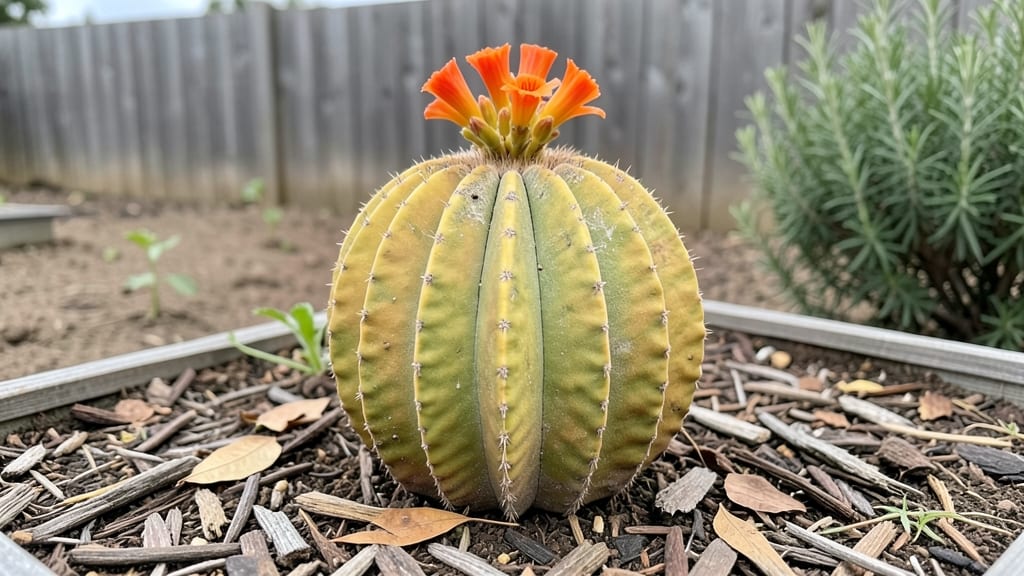
There’s nothing like the first burst of color from a cactus plant with orange flowers to turn your Pacific Northwest garden into a desert oasis—no heat required. a little trick with light.
Most people assume these plants need baking sun, but my PNW-grown Golden Barrels bloom best with morning warmth and afternoon shade.
The key is mimicking their native rocky slopes: fast-draining soil, a pot with drainage holes, and watering only when the soil is bone-dry. Overwatering is the #1 killer—these plants store moisture like sponges, not water tanks.
In winter, I move mine near a south-facing window where they get 3-4 hours of indirect light daily, and that’s when the buds form.
By late spring, you’ll see those bright orange flowers popping against the green pads, often lasting 2-3 weeks if you keep pests away. The blooms attract hummingbirds, and the plant itself stays compact—perfect for windowsills or sunny patios.
The trade-off? It takes 2-3 years for mature plants to bloom reliably, but the wait is worth every petal.
Works for both Echinocactus grusonii (Golden Barrel) and Hylocereus (Night-Blooming Cereus), though the latter needs complete darkness to trigger its evening flowers. Let’s get those blooms going—even in rainy climates!
📚 In This Guide
- What you need
- Instructions
- Tips and common mistakes
- Wrapping up and next steps
What you need
- ● Cactus plant with orange blooms (check nurseries or online plant shops for Echinocereus or Hylocereus varieties).
- ● Well-draining cactus/succulent soil mix (avoid regular garden soil—it retains too much moisture!). Pro tip: Mix 60% potting soil with 40% perlite or pumice for ideal drainage. 💡
- ○ Pot with drainage holes (terracotta or ceramic, 6–8 inches in diameter for mature plants). Optional: Use a cache pot for winter protection in colder climates.
- ● Gravel or pebbles (for the bottom of the pot to improve drainage).
- ● Gloves (thick gardening gloves to protect from spines!).
- ● Trowel or small shovel for planting.
- ● Watering can with a narrow spout (or a spray bottle for gentle hydration).
- ● Sunlight access—a south- or west-facing window, greenhouse, or indoor grow light (12–14 hours of light daily).
- ○ Fertilizer (balanced, water-soluble cactus fertilizer, diluted to half-strength). Optional: Slow-release granules for convenience.
- ● Humidity tray or pebble tray (if growing indoors in dry conditions).
- ● Insulation wrap (bubble wrap or frost cloth) for pots during freezing nights (below 32°F/0°C).
- ○ Greenhouse or cold frame (optional, for year-round outdoor growing).
How to grow a vibrant orange-blooming cactus in the Pacific Northwest
Here’s how to coax brilliant orange flowers from a desert native—even in our cooler, wetter climate.
Select the Right Cactus Variety for Your Climate
Not all cacti produce orange flowers, and not all thrive in the Pacific Northwest’s mild winters and damp summers. The Echinocereus engelmannii (also called the "claret cup cactus") is your best bet—its striking orange blooms appear in late spring, and it tolerates USDA zones 5-9 with proper care. Avoid tropical cacti like Christmas cactus; they won’t bloom in these conditions.
Look for a well-established, 3-4 inch pot specimen at a reputable nursery. Inspect the roots: healthy ones are firm and white, not shriveled or blackened. If you’re starting from seed, germination takes 4-6 weeks in 75-85°F soil—patience is key, as these cacti grow slowly.
Prepare the Perfect Drainage and Soil Mix
Pacific Northwest soil stays moist for too long, and cacti rot before they thirst. Use a 50-50 mix of cactus/succulent soil and coarse perlite or pumice—this ensures excess water drains immediately. Avoid garden soil or peat-heavy mixes; they compact and suffocate roots.
Repot your cactus into a terracotta pot with drainage holes—unglazed clay wicks away moisture. Fill the bottom 1 inch with gravel or lava rock to create an extra drainage layer. Tap the pot gently after adding soil to eliminate air pockets, but don’t compress it. The mix should feel dry to the touch before watering.
Master Watering—The Trickiest Part in PNW Conditions
Overwatering is the #1 killer of cacti here. Water only when the soil is completely dry, which in summer may mean every 2-3 weeks, and in winter, once every 4-6 weeks. Stick your finger 1 inch deep—if it’s damp, wait. When you water, soak thoroughly until liquid runs from the drainage hole, then empty the saucer to prevent root rot.
Mistakes happen: if leaves pucker or turn yellow, you’re overwatering. If the cactus shrivels, it’s underwatered. In winter, reduce watering to once a month—these cacti enter dormancy, and soggy soil invites fungal diseases. A moisture meter (under $10) takes the guesswork out of it.
Mimic Desert Sunlight with Strategic Placement
Orange-blooming cacti need 6+ hours of direct sunlight daily, but PNW summers can be intense. Place your cactus in a south-facing window or under a 40-watt LED grow light for 12-14 hours/day if indoors. Watch for bleached or sunburned patches—these mean too much direct light. If outdoors, move it to partial shade by midday in summer.
In winter, supplement with a grow light to maintain 10-12 hours of light. Without enough light, your cactus won’t flower. You’ll know it’s happy when new growth appears pinkish-red (a sign of adequate light) and the stems stay firm and upright.
Trigger Blooming with Proper Winter Care
To get those vibrant orange flowers, your cactus needs a cool, dry winter rest. Reduce watering to once a month and move it to a 50-60°F spot (like a garage with a window). This mimics its natural desert cycle, where winter rains are rare. If temperatures drop below 30°F, bring it indoors—frost kills cacti.
In late winter (February), gradually increase light and water back to summer levels. By late spring, you’ll see buds forming at the stem tips. These buds take 2-3 weeks to open into 1-2 inch-wide orange flowers. Deadhead spent blooms to encourage more flowers next season.
Tips & tricks for perfect orange-blooming cactus care in the Pacific Northwest
A few strategic adjustments can make all the difference when growing desert cacti in our unique climate.
Variety Selection: The Echinocereus engelmannii is your best bet for vibrant orange blooms, but pay close attention to the plant's maturity when purchasing. Look for specimens with at least three segments—these are more likely to flower within a year. The thicker the base, the more established the plant, which translates to quicker blooming. I always check for small buds forming at the stem tips, which means it's already preparing for its first flowering cycle.
Soil Science: That 50-50 soil mix is non-negotiable, but here's the pro tip: sterilize your potting mix first by baking it in the oven at 200°F for 30 minutes. This kills any latent fungal spores that could cause rot, especially important in our damp climate. After mixing with perlite, let the soil sit uncovered for 24 hours to allow any excess moisture to evaporate before planting. This pre-treatment prevents the common problem of overly wet soil that suffocates roots.
Light Management: Those 12-14 hours of daily light during summer are critical, but don't assume your south-facing window provides enough intensity. Test your light conditions by placing a sheet of white paper near your cactus for a week—if you see dark spots or shadows, you'll need to supplement with grow lights. I use a simple timer on my LED grow lights to maintain consistent light exposure, which prevents the bleaching that happens when light is too intense or inconsistent.
Winter Dormancy: The 50-60°F winter rest temperature range is your secret weapon for triggering blooms. To create this environment without a heated greenhouse, I place my cacti on a shelved garage with a small space heater set to maintain that temperature range. This mimics the natural desert winter cycle that stimulates bud formation. Just remember to keep them completely dry during this period—no exceptions, even if you forget for a week.
Pro Tips for Cactus Plant With Orange Flowers
- A few strategic adjustments can make all the difference when growing desert cacti in our unique climate.
- Variety Selection: The Echinocereus engelmannii is your best bet for vibrant orange blooms, but pay close attention to the plant's maturity when purchasing.
- Soil Science: That 50-50 soil mix is non-negotiable, but here's the pro tip: sterilize your potting mix first by baking it in the oven at 200°F for 30 minutes.
Frequently asked questions
Got questions about growing cactus plants with those stunning orange blooms? You’re not alone! Here are answers to the most common queries from gardeners—especially those in the Pacific Northwest—who want to keep their prickly beauties thriving.
Can these cacti survive PNW winters, or do I need to bring them indoors?
Most orange-blooming cacti like Echinocereus or Hylocereus varieties are tender and won’t survive freezing temps. In the PNW, opt for Echinocactus grusonii (golden barrel cactus) or Opuntia species, which tolerate cooler climates. Move potted plants to a garage or sheltered porch when temps dip below 30°F (-1°C).
How long does it take for my cactus to bloom orange flowers?
Patience is key! Most cacti need 3–5 years to mature before flowering. Provide bright light (6+ hours/day) and well-draining soil to speed things up. Pro tip: A winter chill period (50–60°F/10–15°C for 6–8 weeks) can trigger blooms the following spring.
Why aren’t my cactus flowers opening, even though there are buds?
Orange cactus blooms often refuse to open due to stress. Check these fixes:
- Light: Move to a sunnier spot (PNW winters = weak sunlight).
- Water: Too much moisture rots buds—water only when soil is bone-dry.
- Temp: Sudden cold snaps can shock buds. Use a frost cloth if needed.
What are some low-maintenance alternatives to orange-flowering cacti for PNW gardens?
If cacti feel too high-maintenance, try these drought-tolerant, winter-hardy plants with pop-of-color blooms:
- Sedum (Stonecrop) – Succulent-like, blooms pink/red in summer.
- Ice Plant (Delosperma) – Thrives in rocky soil, orange/purple flowers.
- Yarrow (Achillea) – Drought-resistant, golden-yellow blooms.
- Lavender – Purple spikes, fragrant, and survives PNW winters.
Are orange cactus flowers pollinator-friendly?
Absolutely! Bright orange blooms attract hummingbirds, bees, and butterflies. For extra pollinator power, pair your cactus with native PNW plants like Oenothera (Evening Primrose) or Lupinus (Lupine).
How do I protect my hands when pruning or handling spiny cacti?
Always wear thick gloves (leather or cactus-specific) and use long sleeves. For stubborn spines, wrap the cactus in a towel before handling. Pro move: Use tongs or chopsticks to reposition plants without direct contact.
Wrapping up and next steps
Growing a cactus plant with orange flowers in the Pacific Northwest is absolutely doable—even in cooler climates! These sun-loving beauties bring vibrant color and resilience to your garden, proving that desert charm isn’t just for the Southwest. With the right care, they’ll reward you with stunning blooms year after year.
Ready to take the next step? Start small—try a single pot or a small patch in your garden—and watch your orange-flowered cactus thrive. Happy planting! 🌵💛