
Planting
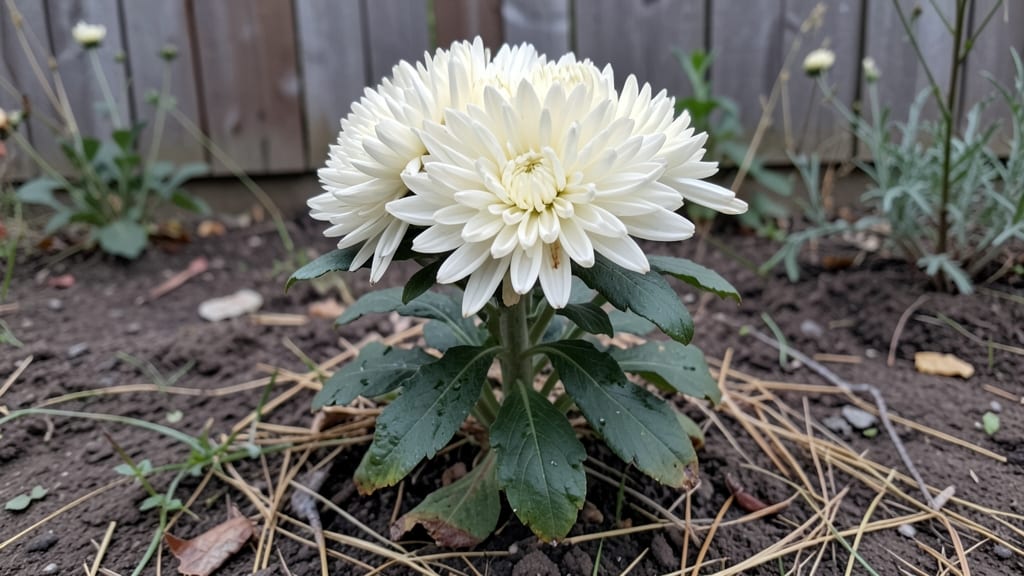
This mum flower plant thrives in the Pacific Northwest, delivering frost-proof blooms that outlast most garden seasons—just like the hardy chrysanthemums I’ve grown for years. 🌿 The secret lies in their resilience—once established, they bounce back from cold snaps with stunning late-season blooms.
Start with well-draining soil and full sun (at least 6 hours daily), then maintain consistent moisture without soggy roots. Most varieties thrive in zones 5-9, making them perfect for PNW gardens.
Prune back in early spring to encourage bushier growth, and feed with balanced fertilizer every 4-6 weeks during the growing season.
By mid-summer, you’ll see those classic pom-pom blooms appear, and with proper care, they’ll keep flowering until frost. The key is staying ahead of pests like aphids and avoiding overwatering—yellowing leaves often signal too much moisture or poor drainage.
Whether you’re growing from seeds, cuttings, or nursery starts, these mums adapt well to containers or garden beds. For extra hardiness, choose ‘Pacific Giant’ or ‘Bonanza’ varieties—they’re bred to handle cooler climates and still pack a punch with their bold colors.
📚 In This Guide
- What you need
- Instructions
- Tips and common mistakes
- Wrapping up and next steps
What you need
- ● Mum flower plants: 3–6 healthy nursery-grown mums (choose frost-resistant varieties like Chrysanthemum × morifolium)
- ● Well-draining potting soil: 1–2 bags (look for a mix labeled for perennials or flowering plants)
- ● Garden bed or containers: For outdoor planting: A sunny spot with at least 6 hours of light daily (partial shade in hotter PNW summers)
- ● For container gardening: 12–15-inch pots (1 plant per pot) with drainage holes
- ● Organic fertilizer: Balanced 10-10-10 or slow-release granules (follow package rates)
- ● Mulch: 2–3 inches of shredded bark or straw (to insulate roots in winter)
- ● Watering can or hose with gentle spray nozzle
- ● Pruning shears: Sharp, clean pair for shaping and deadheading
- ● Epsom salt (for magnesium boost—1 tbsp per gallon of water, monthly)
- ● Slow-release fertilizer spikes (for containers)
- ● Plant supports (if mums grow tall in windy PNW areas)
- ● Frost cloth (to protect young plants in early/late seasons)
- ● Garden gloves (to keep hands clean while handling soil)
Step-by-Step instructions for growing frost-resistant mums in the Pacific Northwest
Here’s how to cultivate hardy chrysanthemums that thrive in our cool, damp climate.
🌱 Step 1: Select the Right Variety for Cold Climates
Choose hardy mum varieties like ‘Pacific Beauty’ or ‘Dakota Gold,’ bred to withstand 20°F temperatures without damage. These types bloom later in the season, often producing vibrant flowers well into October or November. Avoid tender garden mums—look for labels specifying USDA Zones 5-8 or frost-resistant traits.
I always check for disease-resistant strains to prevent common PNW issues like powdery mildew. Start with 4-6 plants spaced 18-24 inches apart to allow airflow and reduce humidity-related problems. If buying bare-root plants, soak the roots in lukewarm water for 15 minutes before planting to rehydrate them.
🪴 Step 2: Prepare the Planting Site for Moisture and Drainage
Mums prefer well-draining soil with a slightly acidic to neutral pH (6.0-7.0). Amend heavy PNW clay soil with 2-3 inches of compost and a handful of perlite to improve aeration. Work the amendments into the top 12 inches of soil—this prevents waterlogging, which can rot roots in our rainy winters.
Site mums in full sun to partial shade (at least 6 hours of direct light daily). In hot inland PNW areas like Yakima, afternoon shade helps prevent leaf scorch. Dig holes twice as wide as the root ball but no deeper—planting too deep suffocates roots. Gently loosen roots if they’re circling before placing the plant in the hole.
☀️ Step 3: Plant and Water for Establishment
Backfill the hole with native soil, pressing lightly to eliminate air pockets. Water deeply until moisture reaches 6 inches down—this encourages deep root growth. I like to use a soaker hose to avoid wetting foliage, which reduces fungal risks. After planting, apply 1 inch of mulch (like shredded bark) around the base, keeping it 2 inches away from stems to prevent rot.
Water every 2-3 days until new growth appears (usually 2-3 weeks). Overwatering is the #1 mistake—mums hate soggy feet. You’ll know moisture is right when the top 1 inch of soil feels damp but not saturated. Fertilize lightly with a balanced 10-10-10 formula at planting, then again in early summer to support blooming.
✂️ Step 4: Prune and Maintain for Fall Blooms
Pinch back first flushes of growth in early summer (around June) to encourage bushier plants. Remove 1-2 inches from the tips of stems—this redirects energy to lateral branches, leading to fuller blooms. Deadhead spent flowers weekly throughout the season to prolong flowering until frost.
In late summer, reduce watering slightly to once a week to stress plants gently—this triggers natural frost hardiness. Apply a thin layer of compost around the base in early fall to replenish nutrients. If a plant shows signs of powdery mildew (white fuzzy spots), treat immediately with neem oil and improve airflow by thinning nearby foliage.
⏰ Step 5: Overwinter for Next Year’s Blooms
Leave mums in the ground—they’re perennial in our climate! Cut back stems to 2-3 inches above the ground after the first hard frost. Apply 4-6 inches of mulch (straw or leaves work well) to insulate roots through winter. In Zone 6 areas (like the Cascades), add a lightweight row cover if winters are harsh.
Resist the urge to fertilize in early spring—wait until new shoots appear (usually late April). At that point, apply a slow-release fertilizer to jumpstart growth. You’ll see buds forming by July, and with proper care, your mums will reward you with vibrant fall color for years.
Tips & tricks for perfect frost-resistant mums in the PNW
These hard-earned insights will help you grow mums that not only survive our damp winters but thrive year after year.
Variety Selection Matters: The 15-minute root soaking for bare-root plants isn't just about hydration—it's about giving your mums a strong start. For true frost resistance, look for varieties labeled "Zone 5-8" that specifically mention "fall blooming" traits. I've found that 'Pacific Beauty' and 'Dakota Gold' consistently outperform other varieties in our climate, producing blooms well into November when many other mums have given up.
Soil Science for Our Climate: The 2-3 inches of compost and perlite in Step 2 isn't just about drainage—it's about creating the perfect balance for our heavy clay soils. Test your soil's pH before amending; our acidic PNW soils often need lime to reach that ideal 6.0-7.0 range. I always mix in a handful of coarse sand for additional drainage in low-lying garden areas where water tends to pool.
Watering Wisdom: That 6-inch deep watering in Step 3 is crucial, but timing matters just as much. Water in the early morning to allow foliage to dry completely before evening humidity sets in. The "every 2-3 days" guideline assumes average PNW rainfall—adjust based on your local weather patterns. I've learned the hard way that soggy soil is the fastest way to lose mums to root rot in our rainy winters.
Pruning Precision: When pinching back those first flushes of growth in early summer, focus on removing the top set of leaves along with the stem. This encourages branching lower on the plant, which translates to more blooms at eye level. The 1-2 inch pinch might seem small, but it makes a huge difference in plant density and flower production—trust me, I've tried both methods!
Pro Tips for Mum Flower Plant
- These hard-earned insights will help you grow mums that not only survive our damp winters but thrive year after year.
- Variety Selection Matters: The 15-minute root soaking for bare-root plants isn't just about hydration—it's about giving your mums a strong start.
- Soil Science for Our Climate: The 2-3 inches of compost and perlite in Step 2 isn't just about drainage—it's about creating the perfect balance for our heavy clay soils.
Frequently asked questions
Got questions about growing mum flowers in the Pacific Northwest? You’re not alone! Here are answers to the most common queries—from frost prep to troubleshooting—so you can keep your blooms thriving all season long.
Can mum flowers survive PNW winters, or do I need to dig them up?
Many mum varieties (Chrysanthemum spp.) are hardy to USDA Zones 5-9, making them frost-resistant with proper care. In milder PNW winters (Zones 7-9), they’ll often overwinter in the ground if mulched with 4-6 inches of straw or leaves. In colder zones (Zone 6 or lower), dig up tubers after frost and store them in dry peat moss or sand until spring. Pro tip: Cut back foliage before the first hard frost to protect the crown!
How do I extend mum blooms into fall and early winter?
To keep mums flowering later, deadhead spent blooms regularly and fertilize every 3-4 weeks with a balanced 10-10-10 or high-phosphorus (5-10-10) formula. In the PNW’s cooler climate, mums often bloom longer naturally—avoid heavy pruning after mid-summer, as it can stunt fall flowers. For extra insurance, choose ‘Autumn Joy’ or ‘Dymond’ varieties, bred for extended blooming.
What pests or diseases should I watch for in PNW mum plants?
PNW mums commonly face aphids, spider mites, and powdery mildew due to damp winters. Prevent aphids with a strong spray of water or neem oil; mitigate mildew by spacing plants for airflow and avoiding overhead watering. For stubborn infestations, use insecticidal soap or fungicides labeled for ornamental flowers. Root rot can occur in soggy soil—ensure well-draining soil to avoid this.
Are there mum alternatives that thrive in PNW shade?
If your garden has partial shade (3-6 hours of sun), try these PNW-friendly alternatives:
- Japanese Anemone (Anemone × hybrida): Delicate pink/white blooms in late summer; thrives in Zones 4-9.
- Astilbe: Feathery plumes in shades of pink, red, or white; loves moist, shady spots.
- Heuchera (Coral Bells): Gorgeous foliage with occasional flowers; drought-tolerant once established.
- Hellebore (Helleborus): "Lenten rose" blooms winter through spring; nearly pest-proof.
My mums look leggy and sparse—how can I revive them?
Leggy mums often result from overcrowding, poor light, or lack of nutrients. Prune back by 1/3 in early spring to encourage bushier growth, then fertilize with a low-nitrogen (5-10-10) feed to promote blooms over foliage. If roots are bound, divide clumps every 2-3 years in early spring. For container mums, repot into fresh soil and ensure they get at least 6 hours of sun daily.
Wrapping up and next steps
Growing mum flower plants in the Pacific Northwest is a rewarding journey—one that brings vibrant color and resilience to your garden! 🌸 With the right soil, sunlight, and care, these frost-hardy blooms will thrive year after year, offering beauty and joy.
Now that you’re armed with the blueprint for success, why not take the next step?
Start small: plant a single mum this weekend and watch it transform your space. Or, if you’re feeling ambitious, sketch out a full garden design with a mix of colors and varieties. Either way, your garden will thank you—and so will your neighbors! 🌿