
Flowers
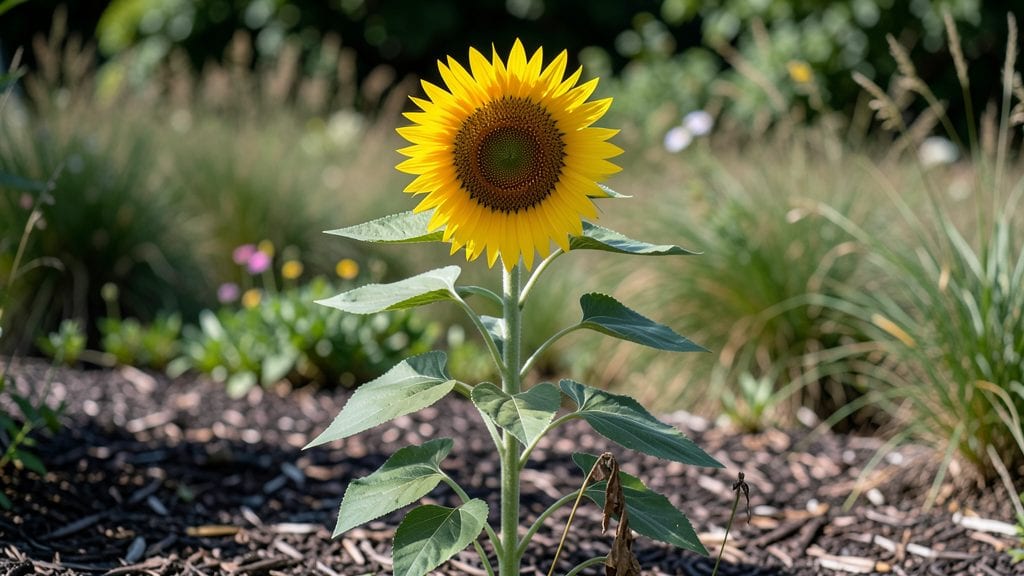
Growing perennial sunflower plants means never saying goodbye to those towering, cheerful blooms again. 🌻 I remember the first time I planted perennial sunflowers—they came back the next spring, stronger and taller than ever, proving that sunflowers don’t have to be an annual fling.
Unlike their one-season cousins, these cold-hardy varieties establish deep roots and bounce back year after year with minimal effort.
The secret to their reliability lies in the right soil and placement. Well-draining soil with plenty of organic matter helps their roots anchor deep, while full sun (at least 6-8 hours daily) ensures those iconic blooms reach their full potential.
Watering is simple: keep the soil moist during the first growing season, then let nature take over—these plants are drought-tolerant once established. Choose varieties like Helianthus maximiliani or Helianthus salicifolius for true perennial performance.
By late summer, you’ll be rewarded with sturdy stems holding blooms that attract pollinators and add height to your garden. Prune spent flowers to encourage more blooms, and mulch heavily in fall to protect roots from freezing.
The best part? These sunflowers thrive in zones 3-9, making them a low-maintenance star for almost any climate. Ready to make them a permanent fixture in your garden?
Whether you’re a beginner or a seasoned gardener, perennial sunflowers offer bold color and effortless beauty without the annual replanting. They’re perfect for borders, prairie-style gardens, or even as a dramatic backdrop for smaller perennials. Here’s how to get them growing strong for years to come.
📚 In This Guide
- What you need
- Instructions
- Tips and common mistakes
- Wrapping up and next steps
What you need
- ● Perennial sunflower seeds or plants: Choose cold-hardy varieties like Helianthus (e.g., 'Lemon Queen' or 'Maxima'). Start with 3–5 plants for a small garden or 10+ for a statement border.
- ● Well-draining soil: Aim for loamy or sandy soil with a pH of 6.0–7.5. Amend clay soil with compost or perlite (1 part per 2 parts soil).
- ● Sunlight: Full sun (6–8+ hours daily) is a must—these sun-lovers thrive in bright, open spaces!
- ● Watering can or hose: A 1-gallon watering can or soaker hose for consistent moisture (especially during establishment).
- ● Organic fertilizer: A balanced 10-10-10 or 5-5-5 fertilizer (or compost tea) to boost growth. Apply every 4–6 weeks during the growing season.
- ● Garden trowel or transplant spade: For digging holes 12–18 inches deep and wide (twice the root ball size).
- ● Pruners or shears: Sharp, bypass pruners for trimming dead blooms or shaping plants.
- ○ Mulch (optional but recommended): 2–3 inches of straw or shredded leaves to retain moisture and suppress weeds.
- ● Garden gloves: Heavy-duty gloves to protect hands from thorns (some varieties have them!).
- ○ Stakes or cages (optional): For tall varieties (6+ feet), use 3–4 ft bamboo stakes or tomato cages for support.
- ● Climate zone: Perennial sunflowers thrive in USDA Zones 3–9. Check your zone here!
- ● Planting time: Early spring (after last frost) or late summer (6–8 weeks before first frost) for fall blooms.
- ● Space: Allow 18–36 inches of spacing between plants (depending on variety). Dwarf types need less; giants need more!
- ● Patience: Perennials may take 1–2 years to reach full maturity and bloom reliably.
How to plant and establish perennial sunflower varieties
Perennial sunflowers thrive with the right site prep and ongoing care—here's the exact method I use to get them blooming reliably each season.
🌱 Step 1: Select the Right Variety and Planting Location
Choose cold-hardy perennial sunflower varieties like Helianthus species, which include 'Lemon Queen' or 'Maxima'. These thrive in USDA zones 3-9 and return stronger each year. Pick a sunny spot with at least 6 hours of direct sunlight daily—sunflowers are heavy feeders and need full sun to develop robust blooms.
Test your soil's drainage first. Perennial sunflowers hate soggy roots, so dig a hole and fill it with water. If it doesn't drain within 2 hours, amend the soil with 2-3 inches of compost and a handful of perlite to improve aeration. I always check drainage because waterlogged roots will stunt growth or kill plants entirely.
🪴 Step 2: Prepare the Soil and Plant at the Right Time
In early spring, 4-6 weeks before your last frost date, loosen the soil to a depth of 12 inches using a broadfork or tiller. Mix in 2-3 inches of aged compost and a slow-release organic fertilizer (like 5-10-5) to provide nutrients throughout the season. Perennial sunflowers need fertile soil to establish strong root systems for winter survival.
Dig holes twice as wide as the root ball but only as deep as the container. Place each plant so the top of the root ball sits just below soil level—burying too deep suffocates stems, while planting too high leaves roots exposed. Space plants 3-4 feet apart to allow airflow and prevent fungal diseases. I use a level to ensure all plants sit evenly—uneven planting leads to water pooling and root rot.
☀️ Step 3: Water Deeply and Mulch for Winter Protection
After planting, water deeply until the soil is moist 8-10 inches down. Perennial sunflowers need 1-1.5 inches of water weekly, but deeper watering encourages roots to grow downward. Use a soaker hose to avoid wetting leaves, which reduces fungal risks like powdery mildew. I water in the early morning so foliage dries quickly.
Apply 2-3 inches of mulch (straw or shredded leaves work best) around each plant, keeping it 2 inches away from stems. Mulch retains moisture, regulates soil temperature, and protects roots during winter. In colder zones, add an extra 4-6 inches of mulch in late fall to insulate roots through freeze-thaw cycles. Check mulch levels in spring—if it's broken down, replenish it before new growth begins.
✂️ Step 4: Prune and Fertilize for Continuous Blooms
In early spring, trim back any dead stems to 6 inches tall to encourage fresh growth. Remove spent blooms throughout the season by cutting stems just above a set of healthy leaves—this redirects energy to new flowers. I deadhead weekly during peak bloom to keep plants producing flowers instead of going to seed.
Fertilize twice a year: once in early spring with a balanced organic fertilizer (10-10-10) and again in mid-summer with a low-nitrogen, high-phosphorus blend (5-10-10) to support root and flower development. Avoid high-nitrogen fertilizers—they promote leafy growth at the expense of blooms. I always water plants 24 hours before and after fertilizing to prevent root burn.
⏰ Step 5: Prepare for Winter and Encourage Regrowth
In late fall, cut back stems to 3-4 inches tall and add an extra layer of mulch. Perennial sunflowers are cold-hardy, but protecting the crown helps them survive harsh winters. In zones 3-5, I also wrap young plants in burlap during extreme cold snaps to prevent frost damage.
In early spring, remove old mulch and check for signs of new growth. If shoots appear but struggle, apply a diluted seaweed solution (1 tbsp per gallon of water) as a gentle growth booster. Perennial sunflowers often take 2-3 weeks to emerge after winter—don’t panic if they’re slow. Once they reach 6 inches tall, resume regular care, and you’ll see full blooms by mid-summer.
Tips & tricks for perfect perennial sunflower establishment
A few key strategies will help you transform your perennial sunflowers from struggling plants to vigorous, long-lived bloomers that return year after year.
Soil Test First: Before amending your soil in Step 1, grab a simple soil test kit from your local garden center. Perennial sunflowers prefer a slightly acidic to neutral pH (6.0-7.0). If your soil tests too alkaline, mix in sulfur or peat moss to adjust it gradually. I've seen sunflowers fail to thrive in alkaline soils despite perfect drainage—this adjustment makes all the difference.
Timing is Everything: The 4-6 weeks before last frost window in Step 2 gives roots time to establish before summer heat arrives. Use your local cooperative extension office's frost date calculator for precision—early spring planting in colder zones means starting indoors if needed. For container-grown plants, harden them off for 7-10 days before transplanting to prevent shock.
Mulch Layering Technique: When applying that 2-3 inches of mulch in Step 3, create a donut shape—leave a 2-inch gap around stems to prevent moisture buildup that causes rot. In zones 3-5, I double the mulch thickness in early November before the ground freezes, then add a 4-inch layer of straw on top for extra insulation. This winter protection is what keeps my sunflowers coming back stronger each spring.
Deadheading Strategy: During peak bloom in Step 4, I don't just cut spent blooms—I look for the first set of healthy leaves below each flower head. Cutting just above this point encourages new growth from lower buds while maintaining the plant's energy balance. This simple technique extends my blooming season by 3-4 weeks compared to random pruning.
Pro Tips for Perennial Sunflower Plants
- A few key strategies will help you transform your perennial sunflowers from struggling plants to vigorous, long-lived bloomers that return year after year.
- Soil Test First: Before amending your soil in Step 1, grab a simple soil test kit from your local garden center.
- Timing is Everything: The 4-6 weeks before last frost window in Step 2 gives roots time to establish before summer heat arrives.
Frequently asked questions
Got questions about growing perennial sunflowers? You’re not alone—these cold-hardy beauties are full of surprises! Here are answers to the most common queries to help you get started (or troubleshoot) with confidence.
Are perennial sunflowers really as easy to grow as annuals?
Yes! While they require slightly more patience (they take 2–3 years to fully establish), they’re just as low-maintenance once settled. Plant in well-draining soil, water consistently, and enjoy blooms for years—no replanting needed. Cold-hardy varieties like Helianthus species thrive in zones 4–9 with minimal fuss.
How do perennial sunflowers survive winter?
These plants are tough as nails! Their deep taproots and woody stems protect them from frost down to -20°F (-29°C). In milder climates, they may stay green year-round; in colder zones, they’ll die back to the ground but regrow in spring. Pro tip: Mulch lightly in late fall to shield roots from extreme cold snaps.
Why aren’t my perennial sunflowers blooming?
Common culprits include over-fertilizing (too much nitrogen = leafy growth, no flowers), crowding (thin plants to 18–24" apart), or poor sunlight (they need 6+ hours of sun daily). If they’re young (under 2 years), they may still be establishing—be patient! Deadhead spent blooms to encourage more flowers.
Do perennial sunflowers attract pests or diseases?
Generally resistant, but watch for aphids (spray with water) or powdery mildew in humid areas (improve airflow, avoid overhead watering). Deer and rabbits usually ignore them—unlike annual sunflowers! If leaves yellow, check for root rot (ensure drainage) or nutrient deficiencies (add compost).
Can I grow perennial sunflowers in containers?
Choose dwarf varieties like Helianthus ‘Lemon Queen’ (3–4’ tall) and use a 12"+ pot with drainage holes. Mix in compost and repot every 2–3 years to refresh roots. Just keep them in full sun and water regularly—they’ll reward you with container-friendly blooms!
Bonus Tip: Cut-and-come-again hack!
Harvest individual blooms (not the whole stem) to extend the season. The plant will often produce new flowers from the same base—perfect for bouquets or bird feeders! Just leave a few to seed for next year’s pollinators.
Wrapping up and next steps
Perennial sunflowers are a game-changer for gardeners who love bold, sun-kissed blooms without the annual replanting hassle! 🌻 Their cold-hardy nature, drought tolerance, and long-lasting beauty make them a must-have for any landscape.
Whether you're a beginner or a seasoned gardener, these plants offer years of effortless joy—just give them space, good soil, and a little patience.
Ready to transform your garden? Start by choosing the right variety for your climate and soil, then plant with confidence! 🌱 Next, sketch your sunflower layout—sketch where they’ll thrive, and watch your garden bloom brighter every season!