
Flowers
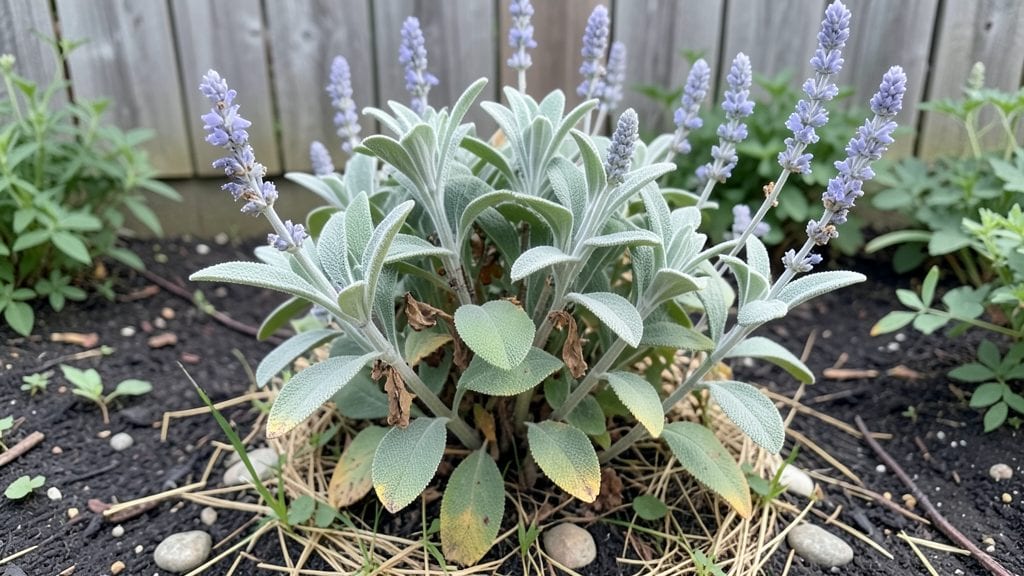
Those edible sage flowers—delicate lavender-blue blooms—aren’t just pretty; they’re the secret ingredient in gourmet teas and elegant garnishes you can grow right in your herb garden. ✨ I’ve been harvesting them for years, and once you try them in infusions or... sprinkled over dishes, you’ll never buy store-bought sage flowers again.
The trick to growing edible sage blooms starts with healthy plants—well-drained soil, 6+ hours of sun daily, and pruning to encourage bushy growth. When flowers appear in late spring or early summer, they’re safe to pick as soon as they open fully but before they turn brown.
Just snip clusters with clean scissors, leaving lower leaves intact to keep the plant productive.
You’ll end up with fragrant, mildly peppery blooms perfect for garnishing soups, infusing honey, or steeping in herbal teas. A single plant yields enough for dozens of uses—imagine the possibilities for homemade floral salts or cocktail garnishes.
The best part? These flowers taste even better than store-bought, with none of the chemical aftertaste.
Works equally well in containers or garden beds, and the same plants produce edible flowers for years with minimal care. Here’s how to maximize your harvest without sacrificing the plant’s health—or your kitchen’s flavor profile.
📚 In This Guide
- What you need
- Instructions
- Tips and common mistakes
- Wrapping up and next steps
What you need
- ● Fresh or dried sage flowers: At least 1 cup (about 15–20 grams) of culinary-grade sage flowers (ensure they’re pesticide-free and organically grown if possible).
- ○ Optional: 1–2 sprigs of fresh sage leaves for extra flavor depth.
- ● Harvesting tools (if foraging): A pair of clean, sharp scissors or pruning shears.
- ○ Gloves (optional, for handling prickly stems).
- ● Storage supplies: A paper bag or breathable cloth sack for drying flowers (avoid plastic to prevent moisture buildup).
- ● An airtight container (like a glass jar) for long-term storage.
- ● Tea-making: A fine-mesh strainer or tea infuser.
- ● Hot water (just off boil, ~200°F/93°C) for steeping.
- ● Garnishes/infusions: Olive oil or honey (for infusions or drizzling).
- ● Edible glitter or gold leaf (for fancy presentations).
- ● Safety check: A field guide or app (like iNaturalist) to confirm sage flower ID if foraging wild plants.
How to harvest and use edible sage flowers for tea and garnishes
These delicate blooms pack a subtle piney flavor perfect for infusions and dishes—here's how to cultivate and use them properly.
🌿 Step 1: Identify and Select Flowering Sage Plants
Choose established common sage (Salvia officinalis) plants at least 2 years old, as younger plants produce fewer blooms. Look for tight, unopened buds in shades of lavender, blue, or white—these contain the most concentrated flavor. Avoid flowers that have already opened or are wilting, as they lose potency quickly.
Harvest in the early morning when essential oils are at their peak. Use clean, sharp scissors to snip stems just above a leaf node, leaving at least half the flower cluster on the plant to encourage regrowth. I always work from the bottom up to promote bushier growth higher on the plant.
☀️ Step 2: Dry Flowers for Culinary Use
Spread the harvested blooms in a single layer on a wire rack or clean paper towel in a cool, dark, well-ventilated area. Avoid direct sunlight, which can bleach the color and degrade flavor. The drying process takes 7-10 days—you'll know they're ready when the petals crumble slightly between your fingers.
For faster drying, use a dehydrator set to 95°F for 4-6 hours, checking frequently to prevent overheating. Store dried flowers in an airtight glass jar away from light and humidity. Properly dried sage flowers retain their flavor for up to 1 year—though I find they're best used within 6 months for peak freshness.
🍵 Step 3: Prepare Edible Sage Flower Tea
For a light, aromatic infusion, steep 1 tablespoon dried sage flowers in 1 cup boiling water for 5-7 minutes. Strain immediately to avoid bitterness, as prolonged steeping releases tannins. Add a touch of honey or lemon to balance the plant's natural astringency—this is my go-to remedy for sore throats.
For a stronger flavor, combine with 1 teaspoon dried sage leaves per cup. Sage flowers pair beautifully with chamomile or mint for a complex herbal blend. Always use glass or ceramic teaware—metal can react with the plant's oils and alter the taste.
🌱 Step 4: Use Blooms as Garnishes and Seasonings
Sprinkle fresh or dried sage flowers over salads, soups, or roasted dishes just before serving to add a delicate floral note. Their subtle piney aroma complements cheese platters, honey drizzles, and light poultry dishes. I like to scatter them over goat cheese or whipped cream for an elegant touch.
For infused oils, gently heat 1 cup olive oil with 1 tablespoon dried flowers over low heat for 10 minutes, then strain. Use this oil to finish pasta dishes or grilled vegetables. Never heat the flowers beyond 160°F, or they'll lose flavor and develop a harsh taste.
⏰ Step 5: Store and Preserve for Future Use
Fresh sage flowers last 3-5 days in the refrigerator, wrapped in a paper towel inside a sealed container. For long-term storage, freeze them in an ice cube tray with a bit of water or olive oil—these make perfect flavorful ice cubes for cocktails or cooking.
Label your stored flowers with the date and variety—some sage cultivars have stronger flavors than others. I keep a small jar in my spice cabinet for quick access, but remember: fresh is always best. Replenish your supply every 3-4 months for optimal flavor.
Tips & tricks for perfect edible sage flowers
A few simple secrets can transform your harvest from good to extraordinary—here's how to maximize flavor and presentation.
Timing Secret: In Step 1, harvest those tight buds when they're still closed in the morning—they contain the highest concentration of essential oils. I've learned the hard way that opened flowers lose potency quickly, so work efficiently. Once you've harvested, process them immediately to preserve that fresh, piney aroma we all love.
Drying Technique: For Step 2, the 7-10 day air-drying process might seem slow, but it's worth it for the best flavor. If you're impatient, your dehydrator at 95°F for 4-6 hours works wonderfully—just remember to check frequently. The flowers are ready when they crumble slightly between your fingers, not when they look completely dry. Over-drying makes them brittle and less flavorful.
Flavor Enhancement: When making tea in Step 3, don't be afraid to experiment with the 5-7 minute steeping range. For a lighter infusion, aim for the 5-minute mark, while 7 minutes gives you that deeper herbal flavor. I always add a pinch of salt to my tea—it enhances the subtle earthy notes of the sage flowers beautifully.
Storage Wisdom: In Step 5, when storing your dried flowers, keep them in small batches if possible. The longer they sit in your jar, the more they lose their vibrant color and aroma. I divide mine into two jars: one for immediate use and one for long-term storage. This way, I always have fresh-tasting flowers ready whenever I need them.
Pro Tips for Sage Flowers Edible
- A few simple secrets can transform your harvest from good to extraordinary—here's how to maximize flavor and presentation.
- Timing Secret: In Step 1, harvest those tight buds when they're still closed in the morning—they contain the highest concentration of essential oils.
- Drying Technique: For Step 2, the 7-10 day air-drying process might seem slow, but it's worth it for the best flavor.
Frequently asked questions
Got questions about harvesting, using, or substituting sage flowers?
Here are some of the most common queries—plus quick, practical answers to keep your culinary adventures on track.
Can you eat sage flowers straight from the plant?
Yes! Sage flowers are edible and safe to eat raw, but they pack a stronger, slightly bitter flavor than the leaves. For the best taste, gently rinse them under cool water to remove dirt or pests before using. Start with small amounts to test your tolerance—some people experience mild stomach upset if they overdo it.
When is the best time to harvest sage flowers for eating?
Harvest sage flowers in the morning after the dew has dried but before the sun peaks (around 9–11 AM). Choose fully bloomed, vibrant purple-blue flowers—avoid wilted or brown ones. If you miss the peak bloom, you can still harvest buds (just before they open) for a milder flavor. Pro tip: Use sharp scissors or pruners to avoid damaging the plant!
How do sage flowers compare to regular sage leaves in tea?
Sage flowers add a lighter, floral note to tea compared to the earthy, robust flavor of leaves. Steep 1–2 teaspoons of dried flowers (or 3–4 fresh) in hot water for 5–7 minutes. For a balanced blend, mix flowers with leaves—try a 1:3 ratio. Bonus: They infuse beautifully with honey or citrus for a soothing herbal tea!
What can I use if I don’t have sage flowers?
If sage flowers aren’t available, try these floral substitutes for garnishes or teas:
- Lavender buds (milder, sweeter flavor—use sparingly!)
- Thyme flowers (earthy but floral, great for savory dishes)
- Borage flowers (cucumber-like taste, perfect for salads)
- Dried rose petals (delicate and fragrant, ideal for desserts)
Are there any risks of poisoning with sage flowers?
Sage flowers are non-toxic in culinary amounts, but avoid consuming large quantities or using them if sprayed with pesticides. Always source from organic gardens or trusted suppliers. Watch for allergic reactions—start with a tiny amount if you’re sensitive to mint-family plants (like rosemary or thyme). When in doubt, consult a healthcare provider!
Wrapping up and next steps
Discovering that sage flowers are edible opens up a world of culinary creativity—whether you're sipping fragrant herbal tea or elevating dishes with delicate garnishes! 🌸 These blooms are not just beautiful but packed with flavor and wellness benefits, making them a versatile addition to your kitchen.
Start experimenting with small batches to explore their unique taste and potential in your favorite recipes.
Ready to take the next step? Grow your own sage plants or forage responsibly to harvest fresh flowers, or visit a trusted herb shop to stock up. Share your creations—whether it’s a floral-infused cocktail or a savory sage flower salad—and inspire others to embrace edible blooms! 🌿