
Flowers
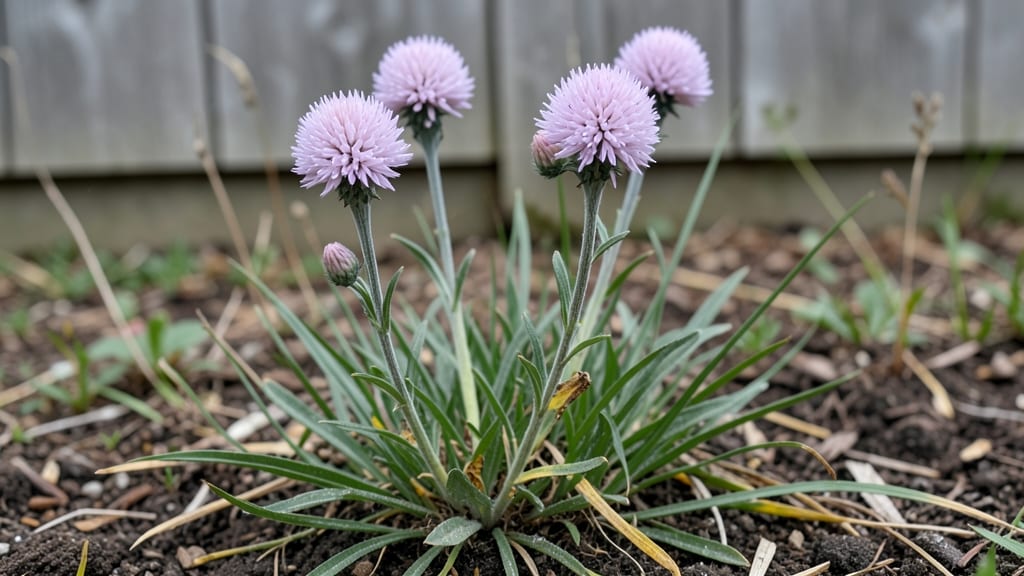
Growing thrift flowers from coastal dunes in your own garden feels like bringing a piece of the ocean home. 🌊 These delicate sea pinks thrive where others falter—dry, sandy soil, salty winds, and full sun—making them perfect for drought-prone or seaside gardens.
The secret lies in mimicking their natural habitat: loose, gritty soil and minimal fuss once established.
You’ll need just three things: a sunny spot, well-draining soil (mix sand with compost), and patience. These hardy perennials spread slowly but steadily, forming lush mounds of pink, purple, or white blooms by early summer.
They’re drought-tolerant once rooted, so watering becomes a non-issue after the first year—ideal for busy gardeners or water-restricted areas.
What you’ll end up with is a garden edge that stays vibrant all season, humming with pollinators and swaying in the breeze. The flowers age beautifully in arrangements, too, giving you double the enjoyment.
They even handle coastal winds better than most plants, making them a foolproof choice for exposed sites.
Perfect for rock gardens, slopes, or containers, thrift flowers adapt to almost any sunny spot. Whether you’re reviving a neglected corner or adding coastal charm to your yard, these tough little plants deliver effortless beauty with minimal care. Let’s get them growing!
📚 In This Guide
- What you need
- Instructions
- Tips and common mistakes
- Wrapping up and next steps
What you need
- ● Sea Pink Thrift Seeds: 10–20 seeds (or 1–2 young plants from a nursery). Opt for Armeria maritima or Armeria pseudarmeria for best coastal adaptation.
- ● Well-Draining Soil: 5–10 gallons of a mix: 60% sandy or gritty soil (mimics coastal conditions)
- ● 30% perlite or coarse sand (for drainage)
- ● 10% compost or peat moss (for nutrients)
- ● Containers or Garden Bed: For seeds: 3–4 inch diameter pots (or seed trays with drainage holes)
- ● For mature plants: 12–18 inch diameter containers (or full-sun garden beds with 6–12 inches of spacing between plants).
- ● Drainage Layer: 1–2 inches of small gravel or pebbles (placed at the bottom of pots).
- ● Hand Trowel or Spade (for transplanting or loosening soil).
- ● Watering Can or Hose with Gentle Spray Nozzle (to avoid disturbing seeds).
- ○ Gloves (optional but helpful for handling gritty soil).
- ● Pruning Shears (for trimming spent blooms or shaping plants).
- ○ pH Test Kit (optional but recommended—sea pinks thrive in alkaline soil (pH 6.5–7.5)).
- ● Sunlight: Full sun (6+ hours daily) or partial sun (4–6 hours) in hotter climates.
- ● Location: Wind-tolerant spot (mimics coastal exposure) or sheltered area if in a non-coastal garden.
- ● Watering Routine: Keep soil moist but never soggy (drought-tolerant once established).
- ● Patience: Seeds may take 2–3 weeks to germinate; mature plants bloom in 1–2 years.
- ● 🔥 Soil Prep: If your garden soil is heavy clay, amend it with 30% extra sand to replicate coastal conditions.
- ● 🌡️ Temperature: Start seeds indoors 6–8 weeks before the last frost (ideal germination temp: 60–70°F).
- ● ✨ Fertilizer: Skip heavy fertilizers—sea pinks prefer lean soil. A light balanced 10-10-10 mix at planting time is sufficient.
Step-by-Step instructions for cultivating sea pink thrift flowers
Here’s how to bring these delicate coastal beauties into your garden with minimal fuss.
🌱 Step 1: Prepare the Planting Site for Well-Draining Soil
Sea pink thrift (Armeria maritima) thrives in gritty, fast-draining soil that mimics its natural coastal habitat. Choose a spot with full sun to partial shade—at least 6 hours of direct sunlight daily—and amend heavy clay soil with coarse sand or perlite to improve drainage. A 50/50 mix of native soil and sand works well for most gardens.
Test your soil’s drainage by digging a 6-inch hole, filling it with water, and timing how long it takes to drain. If it holds water for more than 30 minutes, add more sand or create a raised bed. Sea pinks despise soggy roots, which leads to root rot. I like to add a 1-inch layer of gravel at the bottom of the planting hole to further ensure excess water escapes.
🌿 Step 2: Plant Sea Pink Thrift in Clusters for Full Impact
Plant 4-6 clumps per location (as your servings suggest) with 12-18 inches between each cluster to allow for natural spreading. Dig holes just deep enough to accommodate the root ball without burying the crown—no deeper than 1 inch below soil level. Gently tease the roots apart if they’re tightly bound, then place the clump in the hole.
Backfill with the amended soil, pressing lightly to eliminate air pockets. Water deeply right after planting to settle the soil around the roots. You’ll know it’s right when the surface looks slightly compacted but not crusty. Mulch lightly with ½ inch of coarse sand or gravel (not organic mulch) to maintain drainage and suppress weeds.
☀️ Step 3: Water Sparingly and Maintain Coastal Conditions
Sea pink thrift is drought-tolerant once established, but water deeply every 7-10 days during the first growing season to encourage root development. Let the top 1-2 inches of soil dry out completely between waterings—this mimics its coastal home where rainfall is infrequent but intense. Overwatering is the fastest way to kill these plants, so resist the urge to keep the soil moist.
Fertilize lightly in early spring with a balanced, slow-release fertilizer (10-10-10) at half strength. Too much nitrogen promotes leafy growth at the expense of those signature pink blooms. Deadhead spent flowers to encourage a second flush of blooms in late summer, but leave some seed heads for winter interest and natural propagation.
✂️ Step 4: Prune and Divide for Long-Term Health
After the first frost, cut back the foliage to 2-3 inches tall to tidy the plant and encourage new growth in spring. Sea pink thrift spreads slowly but steadily, so divide clumps every 3-4 years in early spring to rejuvenate growth. Dig up the entire clump, separate the roots with your hands or a sharp knife, and replant the healthiest sections. This prevents overcrowding and ensures vibrant blooms.
Watch for signs of stress like yellowing leaves or wilting—these usually indicate overwatering or poor drainage. If you notice powdery mildew (a white coating on leaves), improve air circulation by spacing plants further apart and avoid overhead watering. Sea pink thrift is generally pest-free, but slugs may nibble on young plants; a barrier of gravel or diatomaceous earth keeps them at bay.
Tips & tricks for perfect sea pink thrift flowers
These coastal beauties need just a few key adjustments to thrive in your garden—here's how to give them the perfect start.
Soil Test Tip: Before amending your soil, perform the 6-inch hole test mentioned in Step 1, but take it a step further by repeating it in multiple spots if your yard has uneven terrain. Coastal plants like sea pink thrift can tolerate slight variations, but consistently poor drainage will kill them. I've found that adding a ½-inch layer of horticultural grit mixed into the top 6 inches of amended soil creates an even better drainage layer than just gravel at the bottom. This mimics their natural habitat where water quickly drains away from roots.
Planting Technique: When planting your 4-6 clumps in Step 2, arrange them in a loose triangular formation rather than a straight line. This creates a more natural, cascading look that mimics their coastal dune clusters. The 12-18 inch spacing allows for airflow while preventing overcrowding—critical for preventing fungal issues. Pro tip: If you're planting in containers, use a mix of 50% amended soil and 50% perlite for optimal drainage.
Watering Wisdom: The 7-10 day watering schedule in Step 3 works perfectly for established plants, but newly planted sea pinks need more frequent watering during their first summer. Water every 3-5 days until you see new growth appearing, then gradually reduce to the recommended schedule. The key is letting the top 1-2 inches dry completely—stick your finger in the soil to check. Overwatering is the #1 killer of these plants, so it's better to underwater slightly than drown them.
Fertilizer Strategy: When applying your half-strength 10-10-10 fertilizer in early spring, focus on the root zone rather than sprinkling it broadly. Create small trenches around each plant and place the fertilizer granules there before backfilling with soil. This targeted approach prevents fertilizer burn while ensuring the roots get the nutrients they need. I also recommend applying a light layer of compost around the base after fertilizing to improve soil structure over time.
Pro Tips for Sea Pink Thrift Flowers
- These coastal beauties need just a few key adjustments to thrive in your garden—here's how to give them the perfect start.
- Soil Test Tip: Before amending your soil, perform the 6-inch hole test mentioned in Step 1, but take it a step further by repeating it in multiple spots if your yard has uneven terrain.
- Planting Technique: When planting your 4-6 clumps in Step 2, arrange them in a loose triangular formation rather than a straight line.
Frequently asked questions
about growing sea pink thrift flowers—your coastal dunes’ charm in your garden!How do I tell if my sea pink thrift is healthy?
A thriving Armeria maritima has vibrant magenta-pink blooms (or white/blue varieties), sturdy grass-like foliage, and compact, mounded growth. Yellowing leaves or leggy stems signal overwatering or poor drainage. Pro tip: Check soil moisture—it should feel slightly damp but not soggy.
When is the best time to plant sea pink thrift?
Plant in early spring or fall (after the last frost) for ideal establishment. Avoid summer heatwaves, which stress young plants. If transplanting mature thrift, do it in cool, overcast days to reduce shock. Bonus: Coastal climates? Plant anytime—thrift thrives in salty air!
Why aren’t my sea pink thrift flowers blooming?
Common culprits:
- Over-fertilizing: Thrift prefers lean, well-draining soil—too much nitrogen = lush leaves, fewer flowers.
- Poor sunlight: Needs full sun (6+ hours/day) for blooms. Partial shade = sparse flowers.
- Old plants: After 3–5 years, growth slows. Solution: Trim back 1/3 in early spring to encourage new blooms.
Can I grow sea pink thrift in containers?
Use a well-draining pot (terracotta or fabric) with a mix of sandy soil + perlite. Ensure it’s at least 12 inches wide and place in full sun. Pro tip: Add a slow-release coastal blend fertilizer in spring for container-grown thrift.
Are sea pink thrift flowers deer- or rabbit-resistant?
While moderately resistant, deer and rabbits may nibble if other food is scarce. Deterrents:
- Plant near thorny shrubs (e.g., roses) or herbaceous perennials (e.g., lavender).
- Apply organic repellents (e.g., garlic spray) if needed.
- Use physical barriers (chicken wire) for young plants.
Wrapping up and next steps
Growing sea pink thrift flowers is a rewarding way to bring coastal charm to your garden, whether you’re a seasoned gardener or just starting out. 🌸 These hardy, salt-tolerant beauties thrive with minimal effort and add a pop of pink to any landscape—just remember to mimic their natural dune habitat for the best results.
Ready to give it a try? Start by gathering your supplies, choosing the perfect spot, and soon you’ll be enjoying their delicate blooms year after year!
💡 Pro tip: Share your sea pink thrift journey with fellow gardeners—inspiration spreads faster when we connect! Plant your first batch today and watch your garden transform.